The Aceh Tsunami Museum is more than just a building—it’s a place where memory takes physical form. Opened in 2009 in Banda Aceh, the capital of Aceh province on Sumatra’s northern coast, the museum stands as a quiet witness to one of the most devastating natural disasters of our time. The 2004 Indian Ocean tsunami reshaped entire coastlines, but nowhere was its impact as profound as in Aceh, where entire communities were erased in minutes. The museum doesn’t just document the event; it preserves the stories of those who lived through it, the lives lost, and the slow, painful process of rebuilding that followed.
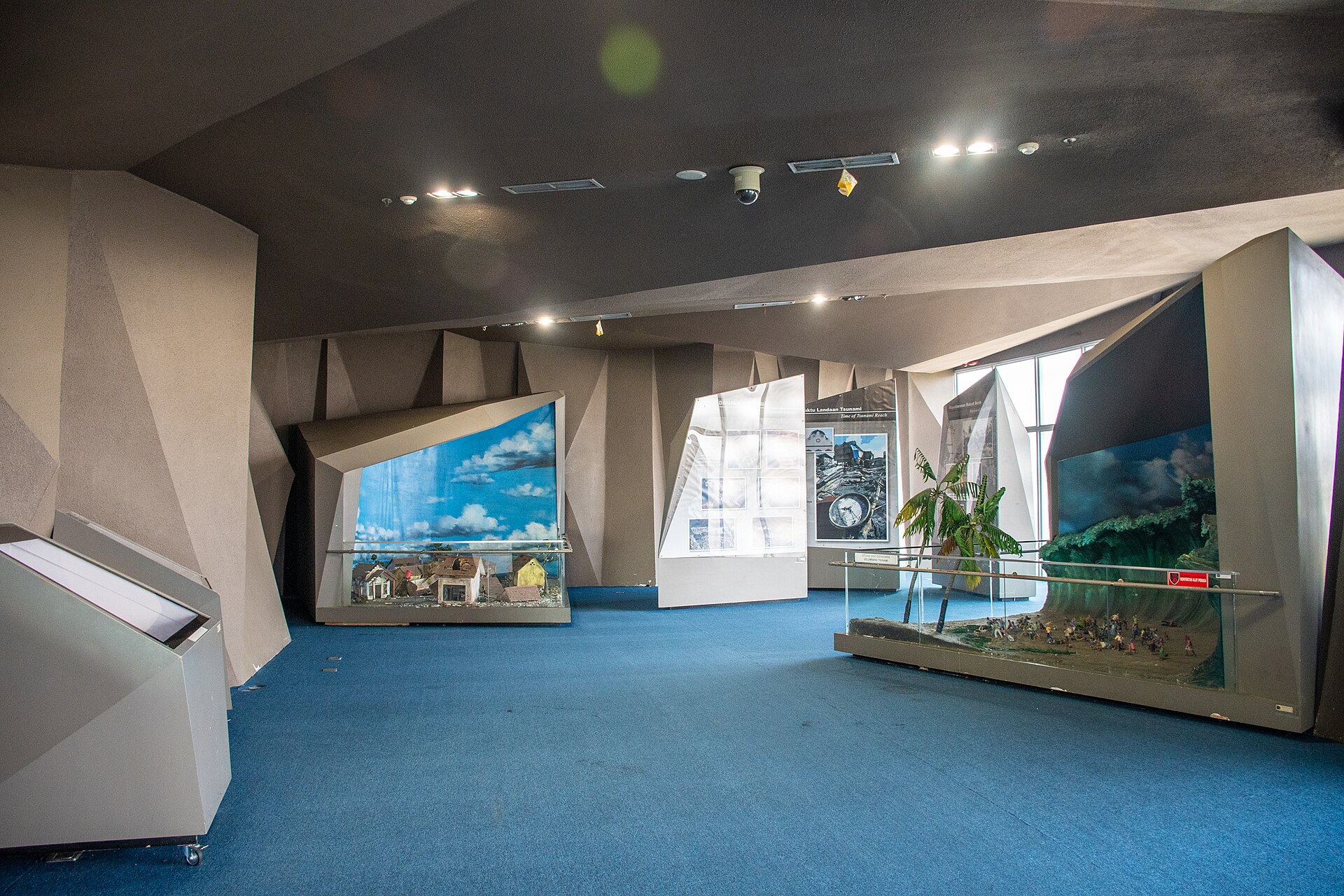
The architecture itself tells part of the story. Designed to evoke the force of the waves that struck the shore, the building’s sweeping curves and undulating walls create a sense of motion, as if the structure itself is still caught in the rhythm of the disaster. Inside, the layout is deliberately disorienting. Narrow corridors twist and turn, mimicking the chaos of the streets where people fled, while the lighting shifts abruptly—one moment dim and somber, the next revealing stark, vivid displays. The effect is unsettling, forcing visitors to confront the unpredictability of that day. Each room focuses on a different aspect of the tragedy, from the initial earthquake to the years of recovery, but the design ensures that the experience is never just about facts. It’s about the weight of what happened.
The exhibits go beyond statistics. Personal belongings recovered from the rubble, photographs of vanished neighborhoods, and recordings of frantic phone calls made in the final moments before the waves hit—these are the details that make the disaster real. One of the most haunting spaces is the memorial hall, where thousands of names are etched into the walls. The silence here is absolute. Visitors often pause, tracing the letters with their fingers, as if trying to connect with the people behind them. The museum doesn’t rely on shock value; instead, it lets the stories speak for themselves. The emotion in the air is palpable, but so is the absence of sensationalism. This is a place for reflection, not spectacle.
For the people of Aceh, the museum is more than a memorial—it’s a testament to resilience. The tsunami didn’t just destroy buildings; it shattered families, livelihoods, and a way of life. In the aftermath, the province faced not only physical ruin but a deep social crisis. Many believed recovery would take generations. Yet, against the odds, Aceh rebuilt. The museum acknowledges the role of international aid, but it also honors the local effort—the communities that came together, the volunteers who dug through debris, the families who refused to leave. Today, Banda Aceh is a city that has moved forward, but the museum ensures that the past isn’t forgotten. It’s a reminder of how fragile life is, and how much strength it takes to start over.
Beyond its role as a memorial, the museum serves an educational purpose. Exhibits explain the science behind tsunamis, while workshops teach visitors how to recognize warning signs and respond in emergencies. For Indonesia, a country prone to earthquakes and volcanic activity, this knowledge can be lifesaving. The museum doesn’t just look backward; it prepares for the future. It’s a place where history and practicality intersect, where the lessons of the past are made relevant to the present.
Visiting the museum is not a casual experience. There’s no rushing through the exhibits, no quick photos for social media. The space demands attention, forcing visitors to slow down and engage with what they’re seeing. Many leave with a heaviness in their chest, but also with a deeper understanding of what it means to survive something unimaginable. Yet the museum doesn’t leave you with despair. Instead, it shows how people can endure even the worst tragedies when they hold onto hope and support one another. The stories here aren’t just about loss—they’re about the will to keep going.
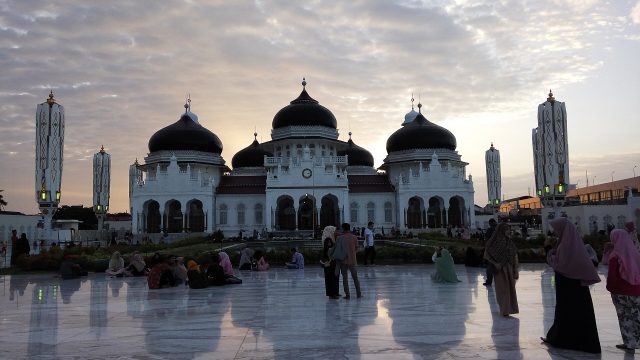
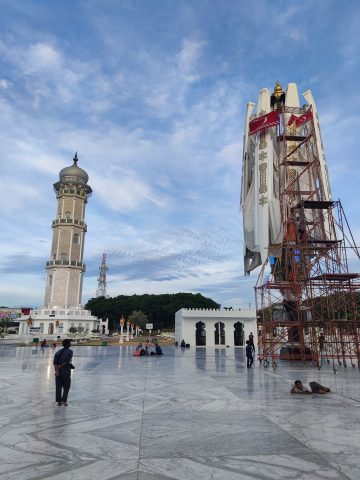
The museum is located in central Banda Aceh, a city that itself tells a story of destruction and renewal. Walking through its streets, you’ll find remnants of the past alongside the new: ancient mosques standing beside modern buildings, bustling markets next to quiet memorials. The city isn’t a polished tourist destination—it’s a place where history is still being written. After visiting the museum, exploring Banda Aceh helps put the tragedy into context. You see not just what was lost, but what was rebuilt. The city’s scars are still visible, but so is its determination to move forward.
The museum is open to anyone who wants to learn about the 2004 tsunami and its aftermath. Entry is affordable, and visitors are often guided by volunteers, many of whom lived through the disaster themselves. Their personal stories add a layer of intimacy to the experience—these aren’t just facts on display, but lived memories. For those who come to Aceh, the museum isn’t just a stop on a checklist. It’s a place where the scale of the tragedy becomes real, where the numbers on a page transform into human faces and voices. It’s not an easy visit, but it’s an important one.