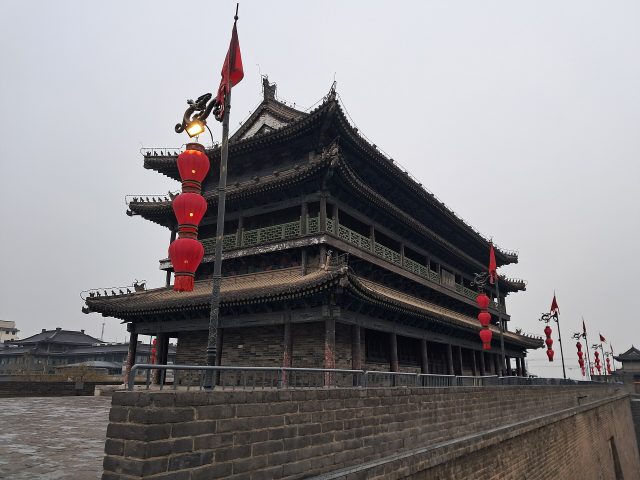
Xi’an’s Muslim Quarter is one of those rare places where history isn’t confined to museums but unfolds in the rhythm of everyday life. Tucked within the heart of this ancient Chinese capital, it feels like a slice of Central Asia transplanted into a sprawling modern city. Narrow lanes hum with the scent of spices, the murmur of vendors, and the occasional strains of traditional music. Unlike a staged tourist attraction, this neighborhood is alive—its past and present intertwined in the fabric of daily existence.
The story of the Muslim Quarter begins over a thousand years ago, when Xi’an was known as Chang’an and stood as one of the world’s great cities, the eastern terminus of the Silk Road. It was here that Persian and Arab traders first arrived, bringing not just goods but their faith, culture, and culinary traditions. Over centuries, their descendants—the Hui people—carved out a home in this corner of China, preserving their identity through dynastic shifts and political upheavals. Today, the quarter remains a testament to their enduring presence, where mosques blend Chinese architectural elegance with Islamic design, creating something entirely unique.
Architecture here tells its own quiet story. The labyrinth of stone-paved alleys winds past low-slung houses with intricately carved wooden facades, their inner courtyards shielded from view. Many structures retain the essence of medieval China, though modern touches have crept in over time. The most striking example is the Great Mosque of Xi’an, founded in the 8th century. Its pavilions, gardens, and prayer halls follow classical Chinese design, yet the absence of figurative art, the presence of mihrabs, and the flowing Arabic calligraphy mark it as unmistakably Islamic. Inside, the hush of the courtyard offers a stark contrast to the bustle of the streets outside.
Food is what draws most visitors to the quarter, and for good reason. The culinary traditions here are distinct from the rest of China, shaped by centuries of Hui heritage. Crispy lamb-stuffed flatbreads, hand-pulled noodles in fiery beef broth, steamed buns filled with pumpkin and meat, and sweet sesame-coated rice balls are just a few of the dishes passed down through generations. Street vendors serve up snacks like yangrou pao—deep-fried dough puffs dusted with sugar—from dawn until late at night. Pork is absent, in keeping with Islamic dietary laws, but the flavors are anything but limited. The quarter’s food stalls and small eateries are a sensory overload, where the sizzle of grills and the chatter of cooks blend into the background of daily life.
The rhythm of the quarter never slows. Mornings begin with locals shopping for fresh produce at the market, while afternoons see a mix of tourists and city dwellers wandering the lanes, stopping for tea or a quick bite. As evening falls, lanterns cast a warm glow over the streets, and the air fills with laughter and the clatter of mahjong tiles. Elders gather under awnings for games, children dart between stalls, and women in headscarves arrange displays of dried fruits and spices. Despite its popularity, the quarter hasn’t lost its authenticity—perhaps because its residents continue to live much as their ancestors did, even as the city around them changes.
For those curious about how different cultures coexist in one space, the Muslim Quarter offers a compelling answer. Here, Chinese and Islamic influences don’t clash but flow together seamlessly. You can spend hours wandering, peeking into tiny workshops where artisans craft jewelry or calligraphy scrolls, or simply sitting in a teahouse, watching the world go by. The quarter doesn’t perform for tourists; it simply exists, and that’s what makes it so captivating. There’s no grand narrative here—just the quiet persistence of a community that has thrived for centuries.
It’s worth remembering that this isn’t a living museum but a real neighborhood. Locals are accustomed to visitors, but they appreciate respect for their customs. Dressing modestly before entering a mosque or asking permission before photographing someone goes a long way. There are no rigid rules, just an unspoken understanding that you’re a guest in their home. The atmosphere is welcoming, not restrictive, but it’s a place where mindfulness matters.
The Muslim Quarter isn’t just a relic of the past—it’s a living, evolving space. Traditional recipes adapt to modern tastes, and younger generations of Hui navigate the balance between heritage and contemporary life. The quarter hasn’t frozen in time; it grows and changes, making it all the more fascinating. For travelers, it’s more than a stop on an itinerary. It’s a chance to step into a story that’s still being written, where the past isn’t just remembered but lived.