The Murom Historical and Art Museum is one of those rare places where time seems to soften, where the weight of centuries lingers in the air. Housed in a 19th-century mansion in the heart of this ancient city, the building itself is a piece of history. Its architecture—a blend of eclectic styles with hints of Russian Revival—reflects the changing tastes and fortunes of Murom. Once owned by the Zvorykin merchant family, the house stands as a quiet witness to the city’s evolution, from a medieval trading hub to a prosperous provincial center.
Murom’s past is deeply woven into the museum’s exhibits, particularly its medieval history. For centuries, the city was a vital stop on the trade route from the Varangians to the Greeks, a fortified outpost on the eastern edges of Rus. The Oka River, which flows past its walls, carried goods, ideas, and conflicts, shaping the city’s destiny. The museum’s collection includes everyday objects, weapons, jewelry, and coins unearthed from local burial mounds, each piece offering a glimpse into the lives of those who once walked these streets. Among the most striking exhibits are the religious artifacts—ancient icons and church vessels—that speak to the deep-rooted Orthodox traditions of the region.
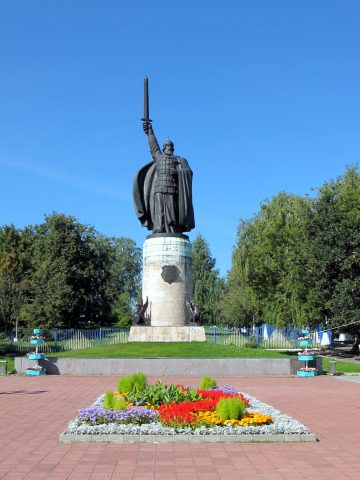
One of the museum’s most compelling sections is dedicated to the legends of Murom, particularly the epic tales of Ilya Muromets. According to folklore, this mighty bogatyr was born in the forests near the city, and the museum brings his story to life through replicas of medieval armor, bows, and illustrations of legendary battles. Yet Murom’s history isn’t just about myths. The city has also been home to real figures who left their mark on the world, like Vladimir Zvorykin, the inventor of television, whose family roots trace back to these very streets.
The museum also preserves the legacy of Murom’s merchant class, which flourished in the 19th century. The city’s wealth during this period is evident in the grand mansions that still line its streets, many of them built by enterprising traders. The exhibits here include furniture, tableware, clothing, and documents that paint a vivid picture of affluent life in the past. A particularly fascinating collection of old photographs captures the faces, streets, and moments of a bygone era, offering a tangible connection to the people who once called Murom home.
Art lovers will appreciate the museum’s collection of Russian paintings and graphics from the 18th to the 20th centuries. The works range from landscapes of the Oka River to scenes of daily life, each piece reflecting the changing artistic tastes of its time. Some paintings depict Murom itself, allowing visitors to see the city through the eyes of artists who found beauty in its churches, riverbanks, and quiet courtyards. These works aren’t just decorative—they’re windows into how people once perceived the world around them.
Beyond its permanent exhibits, the museum is a lively cultural space. Temporary exhibitions, concerts, lectures, and workshops keep the institution connected to the present, bridging the gap between past and contemporary life. The building’s high ceilings, intricate moldings, and tall windows create an atmosphere that feels both grand and intimate, as if the voices of long-ago merchants and intellectuals still echo in its halls.
A visit to the museum naturally leads to exploring Murom itself. The city, despite its age, doesn’t feel frozen in time. It’s a place where history and modernity coexist—where ancient churches stand near cozy cafes and small shops. A walk along the Oka River offers a chance to see the waterway that has sustained the city for centuries, its currents still shaping the rhythm of life here. Returning to the museum afterward, the exhibits take on new meaning, no longer just relics but pieces of a living, breathing story.
More than just a repository of artifacts, the Murom Historical and Art Museum is a place where history feels alive. Each object, whether a medieval coin or a merchant’s ledger, tells a story of human endeavor, faith, and creativity. Visitors might spend an hour here or an entire afternoon, losing themselves in the details or simply soaking in the atmosphere. And when they leave, they carry with them the sense that Murom isn’t just a dot on a map—it’s a thread in the vast, intricate tapestry of Russia’s past, one that continues to unfold even now.