San Sebastián is one of those quiet Peruvian towns that most travelers pass by on their way to Cusco or the Sacred Valley. It doesn’t have the fame of Machu Picchu or the tourist infrastructure of its bigger neighbors, but that’s precisely what makes it feel authentic. The Municipal Museum here is a small, unassuming place, the kind that doesn’t announce itself with grand signs or crowds. Instead, it sits in an old colonial mansion, its thick stone walls and wooden beams holding stories of the town’s past.
The building itself is part of the experience. Built during the colonial era, it once belonged to a wealthy family and still carries the marks of that time—high ceilings, a central courtyard with a fountain, and the kind of architecture that blends Spanish influences with local techniques suited for the Andean climate. Even if you don’t step inside, the structure is worth a closer look. It’s a reminder that San Sebastián was more than just a stopover between Cusco and the Urubamba Valley; it was a place where people lived, worked, and left their mark.
Inside, the museum feels more like a personal collection than a formal exhibition. The displays are modest but carefully chosen, covering centuries of life in the region. There’s pottery from pre-Columbian cultures—simple clay vessels with geometric patterns, some used in daily life, others in rituals. Then there are Inca-era artifacts: fragments of textiles, tools, and ceremonial objects that hint at the town’s role in a vast empire long before the Spanish arrived.
The colonial period gets its own space, with maps, documents, and religious items that show how the town adapted to new rulers. The collection of religious art is particularly striking—wooden saints, painted altarpieces, and vestments that blend indigenous traditions with Catholicism. Some pieces are rough, almost folk-like, but that’s what makes them compelling. They don’t just represent faith; they show how people made it their own.
Later chapters of the town’s history are told through photographs, newspapers, and everyday objects—school notebooks, tools, household items. These aren’t the kind of artifacts that usually end up in museums, but that’s the point. They offer a glimpse into ordinary lives, the kind that don’t make it into history books but still matter. There’s something quietly moving about seeing a child’s exercise book or a farmer’s worn-out hat, knowing they were part of someone’s daily routine.
The museum doesn’t try to be flashy. There are no interactive displays or multimedia presentations, just well-preserved objects arranged with care. The atmosphere is calm, almost intimate, as if you’ve been invited into someone’s home to see their treasures. It’s the kind of place where you can take your time, lingering over details without feeling rushed.
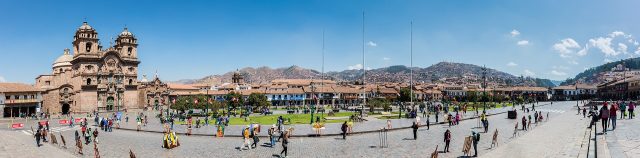
San Sebastián itself has a similar vibe. It’s not a tourist hub, and that’s its charm. The streets are narrow, the houses have red-tiled roofs, and the pace of life feels slower. The museum fits right in—unpretentious, rooted in the town’s identity. It’s not a must-see in the way Machu Picchu is, but if you’re already in the area, it’s worth an hour of your time. Especially if you’re the kind of traveler who prefers quiet corners over crowded landmarks.
A visit here won’t change your itinerary, but it might change how you see Peru. Not as a collection of famous ruins, but as a place where history is alive in small, human details. There are no crowds, no pressure to take the perfect photo—just a chance to step back in time, if only for a little while.