Roxas Bridge is one of those places in Manila that rarely makes it into guidebooks, yet it offers a glimpse into the city’s unfiltered pulse. Stretching across the Pasig River, it connects the neighborhoods of Tondo and San Nicolas. It serves as a thoroughfare and a living part of daily life.
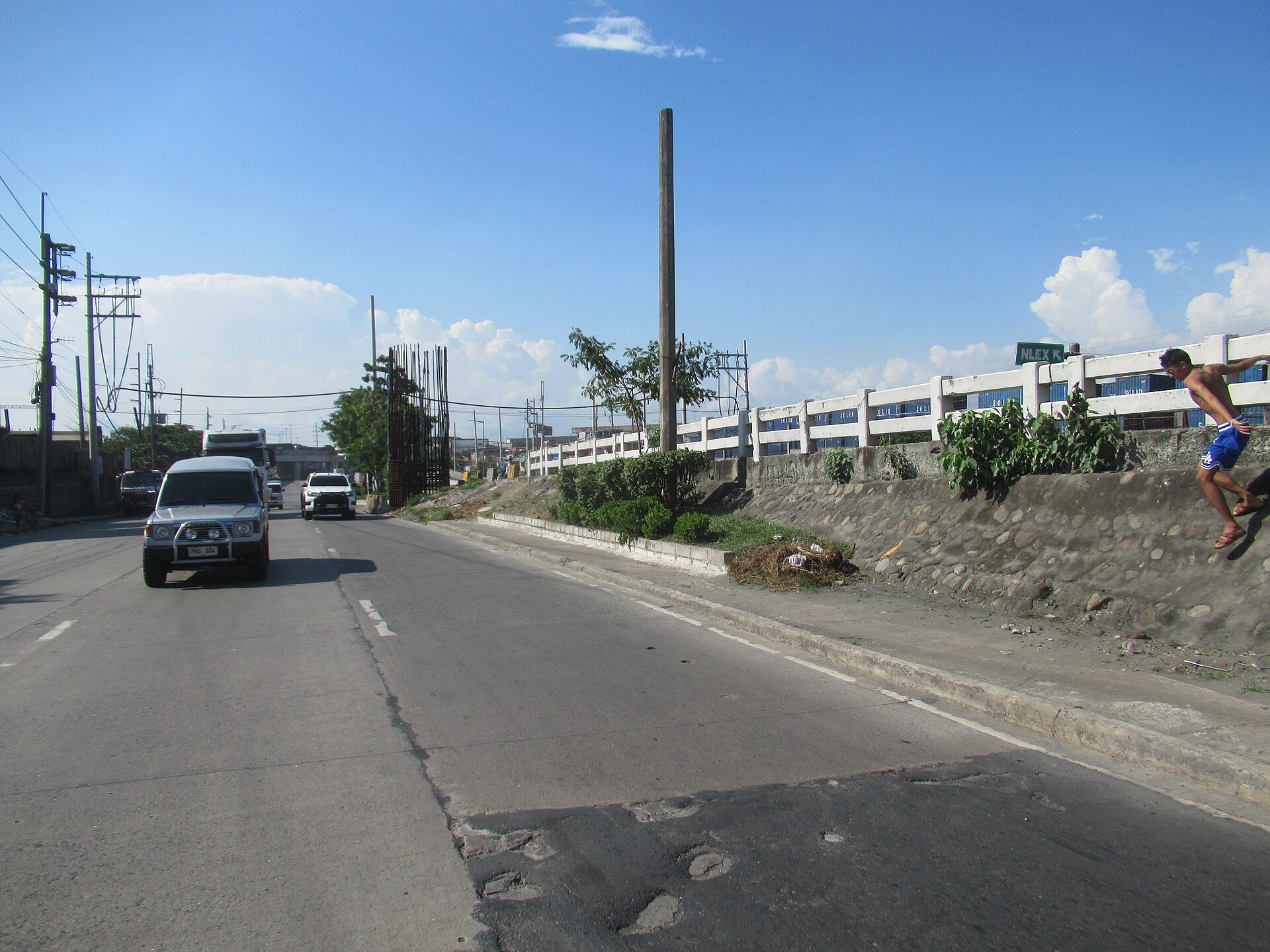
Built in the mid-20th century after the devastation of World War II, Roxas Bridge was designed for function over form. Sturdy concrete supports and wide spans accommodate traffic. The pedestrian walkways, now often crowded, were never meant to handle today’s volume of people. The bridge bears the marks of time—chipped paint, worn railings, and cracks in the asphalt.
The Pasig River unfolds in a slow, steady flow from the bridge. Once the lifeblood of Manila, it carried goods from the port deep into Luzon during colonial times. Now, small boats drift along the water. Fishermen mend their nets, children play near the edge, and elders sit on benches, watching the current.
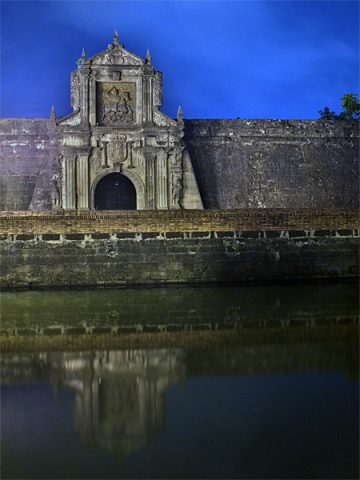
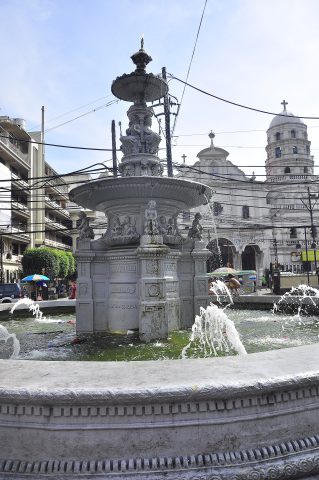
Tondo, where the bridge stands, is one of Manila’s oldest and most densely populated districts. Crumbling colonial-era houses share streets with shopping centers. Markets sell everything from fresh seafood to secondhand electronics. Roxas Bridge acts as a threshold between these worlds—on one side, the river and the streets of San Nicolas; on the other, the alleys of Tondo, where life spills onto the sidewalks.
Mornings bring commuters—office workers, students, vendors balancing heavy loads. During rush hour, motorcycles weave between cars, pedestrians squeeze against the railings, and the air fills with engines and voices. By evening, street vendors set up stalls, offering grilled corn, caramelized bananas, or coffee. Locals pause to chat, the bridge becoming a gathering place.
The bridge has no architectural grandeur. It exists to serve its purpose, and in that lies its charm. Scuffed railings, faded paint, and potholes are proof of its place in the city’s fabric. Unlike tourist spots, this bridge doesn’t try to impress.
For those curious about Manila beyond the usual attractions, Roxas Bridge offers a starting point. Wander into Tondo’s markets, where the air is thick with the scent of fried food and haggling. Stand and watch the river’s slow progress. People linger to buy a snack, meet a friend, or watch the sunset.
This isn’t a place for breathtaking views or dramatic history. But if you want to see Manila as it is—to feel its pace and the way its people move—Roxas Bridge tells that story. The noise, the smells, the motion—it’s the city’s heartbeat.