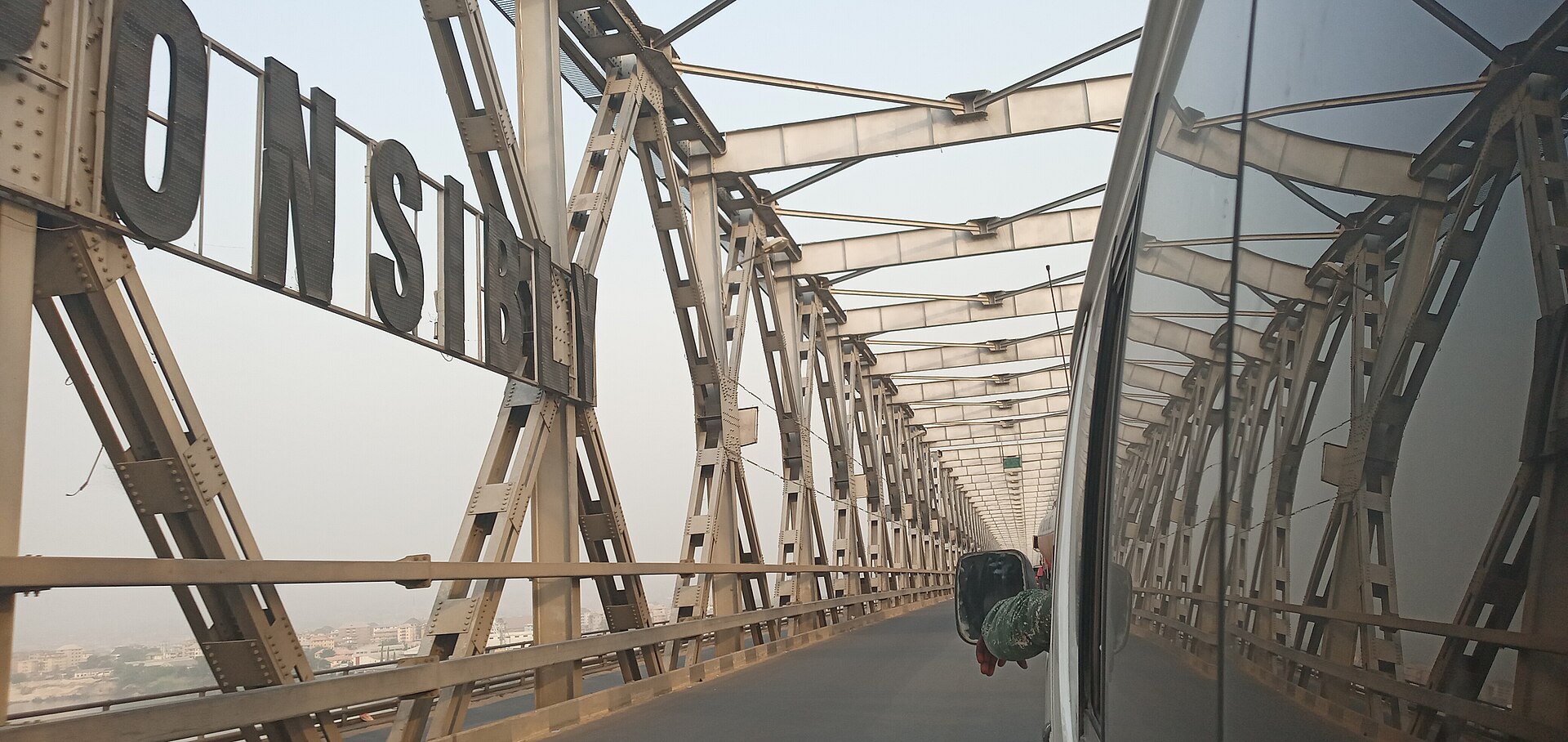
The Niger Bridge in Onitsha is one of those places that feels ordinary until you pause to consider how many lives it has touched. For Nigeria, it’s more than just a piece of infrastructure—it’s a literal and symbolic link between the country’s north and south. Built in the mid-20th century, it became a vital connection across one of Africa’s great rivers, transforming the way people moved between its banks. Today, thousands of cars, buses, and trucks cross it daily, yet few give much thought to how different life was before its construction.
Before the bridge existed, crossing the Niger was a slow and unpredictable ordeal. Locals relied on boats and ferries, which were at the mercy of the weather and the seasons. During the rainy months, the river swelled and churned, turning what should have been a short trip into a journey that could stretch for hours or even days. The bridge, completed in 1965, changed everything. What once took an entire day now takes minutes, a shift that reshaped trade, travel, and daily life for farmers, merchants, and anyone moving between Onitsha and Asaba on the opposite shore.
The bridge’s design is straightforward and unadorned, built to endure rather than impress. Its long concrete spans and steel girders don’t demand attention, but that’s precisely their strength—they do their job quietly and reliably. Still, if you look closely, the structure blends into the landscape in its own way. On one side lies the bustle of Onitsha, with its crowded markets and streets alive with commerce; on the other, the quieter rural stretches where the river flows lazily past palm-fringed banks.
For those who live and work around it, the bridge is more than just a road. It’s a marketplace, a rest stop, and a social hub. Vendors line its edges, selling fruit, snacks, and cold drinks to passing motorists. Truck drivers pull over to stretch their legs, while fishermen bring their catch to the roadside, hoping for a quick sale. During rush hours, traffic slows to a crawl, and the air hums with the sounds of engines and voices. Even in the chaos, there’s a rhythm to it, one shaped by the river’s steady presence.
The bridge’s history is woven into Nigeria’s own story. In the 1960s, as the country gained independence, projects like this carried weight beyond their practical purpose. The Niger Bridge was one of the first major infrastructure developments built without colonial oversight, a symbol of self-reliance and national unity. Of course, the reality of post-independence Nigeria proved far more complicated, but the bridge remains a reminder of the ambitions and challenges of that era. Standing on it today, you can’t help but reflect on how much the country has changed—through economic booms and crises, political upheavals, and the quiet resilience of its people.
The Niger River itself is one of West Africa’s great waterways, winding from Guinea through Mali and Niger before emptying into the Gulf of Guinea. For centuries, it has been a lifeline for the communities along its banks, providing fish, transport, and fertile soil for crops. In Onitsha, the river is especially wide, and from the bridge, you can see its vast expanse, shifting between calm and turbulent depending on the season. At dusk, the water takes on a golden hue as the sun dips below the horizon, and the silhouettes of boats and fishermen against the fading light create a scene that feels almost timeless.
Beyond its practical role, the bridge is part of a cultural landscape shaped by the traditions of the Igbo people. For them, the river has always held spiritual significance, a place where myths and daily life intersect. Local legends speak of water spirits that can bring fortune or misfortune, and some fishermen still leave offerings to appease them. Modern life has changed much, but the connection to the past lingers here more strongly than in Nigeria’s larger cities, where the pace of change often erases such ties.
If you ever find yourself in Onitsha, it’s worth walking across the bridge, though the heavy traffic makes it a risky endeavor. But it’s the only way to truly grasp its scale and understand how deeply it’s embedded in people’s lives. Below, the river flows steadily, carrying with it the scent of water and fish. In those moments, the bridge stops being just a road—it becomes something more, a thread connecting different worlds, histories, and futures.