The Independence Monument in Malé is more than just a memorial—it’s a quiet testament to how a small island nation carved out its place in the world. Standing near the National Stadium, where the city’s energy is always palpable, the monument occupies a space that hums with daily life. Locals gather here for festivals, political rallies, or simply to pass the time, and the square around it often becomes a stage for the rhythms of Maldivian life. Though modest in appearance, the monument carries a weight that resonates deeply with the people who call these islands home. Erected in 1989, two decades after the Maldives gained independence from Britain, it has since become a focal point for anyone trying to understand what shapes this country’s identity.
The design of the monument is simple but deliberate. A tall pedestal supports a slender stele crowned with a stylized version of the Maldivian flag—a bold red field with a green rectangle and white crescent at its center. Bronze reliefs encircle the base, each panel depicting a pivotal moment in the nation’s history. Some scenes trace back to the days when the islands were a crossroads for ancient trade routes, while others capture the struggle for sovereignty in the 20th century. The most striking relief shows the signing of the independence declaration in 1965, a moment that marked the beginning of a new chapter for the Maldives. For many, it was the first time the country could truly call itself its own.
Before independence, the Maldives weren’t a typical colony but a British protectorate, a status that shaped life on the islands in subtle ways. While the country retained internal self-governance, Britain controlled its foreign policy and defense. This arrangement lasted nearly eighty years, and when the Maldives finally became fully sovereign in 1965, the moment was bittersweet. There was pride in finally standing alone, but also uncertainty about what lay ahead. The Independence Monument reflects that duality—celebrating the past while acknowledging the challenges of building a future on their own terms.
Today, the monument is woven into the fabric of Malé’s daily life. The city, despite its small size, pulses with energy, blending tradition and modernity in ways that feel both natural and unexpected. The square around the National Stadium, where the monument stands, is rarely quiet. It hosts everything from concerts to sports events, and when the crowds gather, the memorial seems to come alive, framing the stories that unfold around it. For locals, it’s a familiar landmark, a place where history and the present intersect without fanfare.
For visitors, the Independence Monument isn’t the kind of attraction that demands hours of attention, but it offers something more valuable—a glimpse into the Maldives beyond the postcard-perfect resorts. Malé is a city of contrasts, where the pressures of urban life collide with the laid-back island culture. Here, you can see how locals navigate their daily routines, how they engage with their history, and how they view their country’s place in the world. The monument serves as a starting point for those questions, a reminder that the Maldives is more than just a tropical escape. It’s a nation with a story, one that has fought for its voice and continues to shape its path.
Malé is one of the most densely populated cities in the world, and that intensity is palpable around the monument. The streets are always busy, filled with the hum of motorbikes, the calls of vendors selling fresh fruit, and the laughter of children playing under the shade of trees. Amid this controlled chaos, the Independence Monument stands as a quiet anchor, a place to pause and reflect on what independence truly means. For Maldivians, it’s a symbol of unity, a reminder that despite the challenges—political, environmental, or economic—the country has held onto its sovereignty and its sense of self.
In recent years, the Maldives has found itself in the global spotlight for reasons both inspiring and concerning. Climate change threatens to submerge the islands, political tensions ebb and flow, and the country grapples with its identity in a rapidly changing world. Against this backdrop, the Independence Monument takes on new layers of meaning. It’s no longer just a tribute to the past but a call to responsibility—a reminder that freedom isn’t just about breaking free from external control but about what you do with that freedom once you have it. For Maldivians, the monument is a touchstone, a physical representation of their ongoing struggle to preserve their home and their way of life.
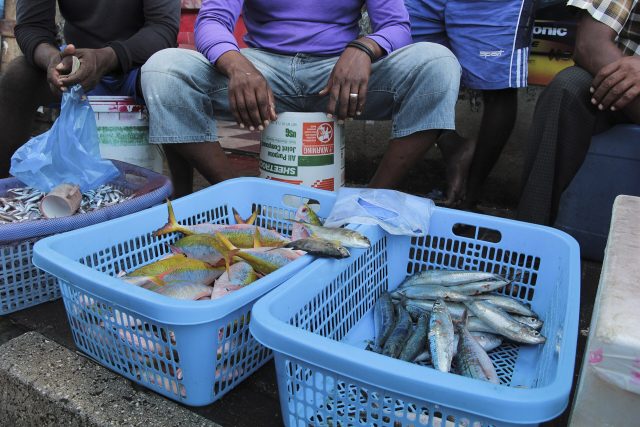
To truly appreciate the monument, it helps to look beyond the structure itself and take in the life around it. The National Stadium nearby hosts football matches and other events, while the local market offers a taste of Maldivian flavors, from fresh tuna to handcrafted souvenirs. Together, these elements paint a picture of Malé as it really is—vibrant, messy, and full of character. The monument doesn’t dominate the scene; it blends in, a natural part of the city’s landscape. That understated presence is part of its charm, a reflection of how history and modernity coexist here.
For travelers who want to understand the Maldives beyond the resorts, the Independence Monument is a good place to begin. It’s not a site that demands deep study, but it invites contemplation. Standing there, you can sense the pulse of the country, its past and its uncertain future. Independence isn’t just a historical milestone—it’s a living idea, one that evolves with each generation. The monument stands as a silent witness to that evolution, a reminder that the story of the Maldives is still being written.