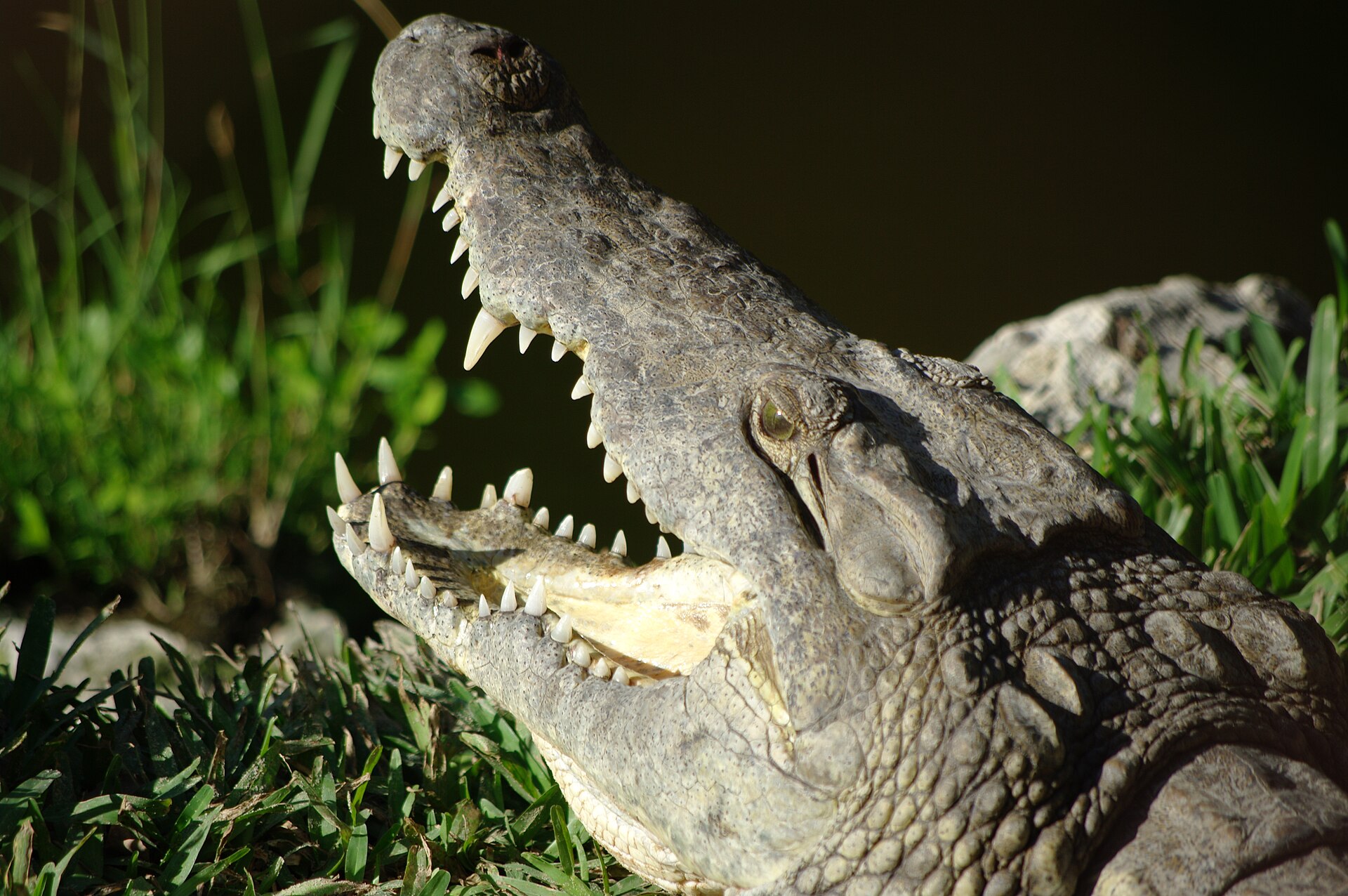
Mamba Village Centre is one of those rare places where the wild feels close enough to touch, yet remains entirely itself—untamed, unscripted, and unapologetically real. Tucked away in Nyali, a quiet corner of Mombasa’s coastal sprawl, it’s not the kind of attraction that relies on flashy gimmicks or staged performances. Instead, it offers something far more compelling: a glimpse into the lives of Nile crocodiles, Africa’s most formidable reptiles, in a setting that mimics their natural habitat as closely as possible.
The story of Mamba Village began in the late 1980s, when Kenya was exploring ways to balance wildlife conservation with public education. Nile crocodiles, the largest and most dangerous species on the continent, had long been both feared and revered in East Africa. In the wild, encounters with them are rare and often perilous, but here, visitors can observe these ancient predators up close without the risk. The center isn’t just a showcase for tourists—it plays an active role in conservation, breeding crocodiles and channeling part of its revenue into local wildlife protection efforts.
Nyali itself is best known for its beaches and resort culture, where the rhythm of life is dictated by the tides and the scent of saltwater. Mamba Village, by contrast, feels like a world apart. The air is thick with the hum of insects and the rustle of palm fronds, while the only sounds breaking the stillness are the occasional splash of water or the snap of a branch underfoot. The enclosures, designed to resemble the crocodiles’ natural environment, are spacious and lush, with artificial ponds shaded by bamboo and dense tropical foliage. Visitors walk along elevated wooden pathways, peering down at the reptiles from a safe distance—a perspective that makes their sheer size all the more striking.
The most imposing residents are the fully grown crocodiles, some stretching over five meters in length. They spend much of their time submerged, their eyes and nostrils just breaking the surface, or basking motionless on the banks. At first glance, they appear lethargic, almost inert, but their stillness is deceptive. A sudden movement can trigger an instant, explosive reaction, a reminder of how finely tuned their predatory instincts remain. The younger crocodiles, by contrast, are far more animated, tussling with each other or snapping at fish tossed into their enclosures by staff. Watching them, it’s easy to forget that these are the same creatures that have thrived, virtually unchanged, for millions of years.
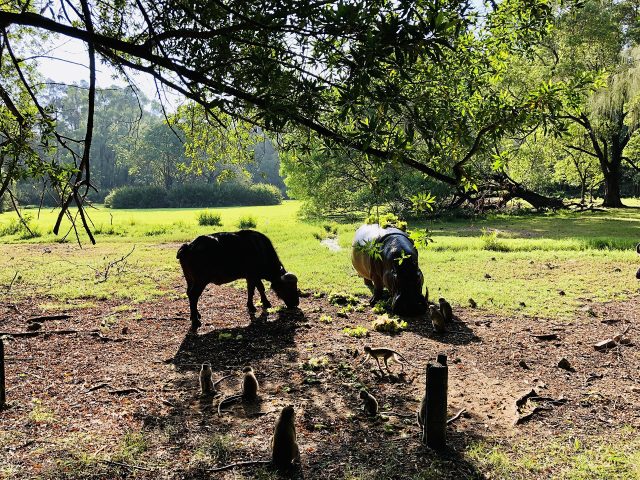
While crocodiles are the main attraction, the center is home to other animals as well—tortoises, snakes, and the occasional troop of monkeys that roam freely across the grounds. But the reptiles always steal the show. For those who want to learn more, guided tours offer insights into crocodile behavior, their ecological role, and the challenges of breeding them in captivity. The feeding sessions, though not for the squeamish, are particularly memorable, offering a raw look at the power and precision of these apex predators.
Mamba Village isn’t a zoo, nor is it a theme park. There are no flashy exhibits, no souvenir shops, and no cafes with a view. What it does offer is something far more valuable: an unfiltered encounter with one of nature’s most enduring survivors. The atmosphere is quiet, almost meditative. Standing by the water’s edge, watching a crocodile soak up the sun with the patience of a creature that has outlasted countless generations, it’s impossible not to feel the weight of time here. The place doesn’t just show you crocodiles—it makes you understand them, and by extension, the delicate balance between humans and the wild.
For locals, the center holds a deeper significance. In Kenyan culture, crocodiles are more than just animals—they’re woven into folklore, feared as omens, and in some traditions, revered as sacred beings. The Swahili word *mamba* itself carries a sense of respect, even awe. Mamba Village, then, isn’t just a tourist stop; it’s a bridge between the modern world and the ancient beliefs that still shape how many Kenyans view these creatures. The staff, many of whom come from nearby communities, often share stories passed down through generations—tales of crocodile encounters, myths about their origins, and the unspoken rules of coexisting with them.
Visiting is straightforward. There’s no need for advance planning—just arrive during daylight hours, buy a ticket at the gate, and spend a couple of hours exploring. The best times to go are early morning or late afternoon, when the crocodiles are most active. Don’t expect luxury or entertainment; this isn’t a place for those seeking polished experiences. What it offers instead is authenticity—a chance to stand just meters away from one of the planet’s oldest predators and walk away with a sense of having witnessed something real. In a world where so much of nature has been sanitized for human consumption, Mamba Village remains refreshingly, unapologetically wild.