The Bear Pit in Bern is one of those places that feels like a quiet secret tucked into the heart of the city, even though it’s been here for centuries. Officially known as the Bärengraben, it sits along the eastern edge of the Old Town, just below the Nydegg Bridge, where the Aare River curls around the city like a protective arm. The pit itself is a sunken enclosure, a mix of stone walls and open spaces where bears have lived since the 16th century. It’s not a zoo in the modern sense—there are no glass barriers or flashy exhibits—but something older, almost like a living relic of Bern’s past.
The history of the Bear Pit is tangled up with the history of Bern itself. The city’s name is said to come from the German word for bear, *Bär*, and the animal has been its symbol since the Middle Ages. Legend has it that the founder of Bern, Duke Berthold V of Zähringen, named the city after the first creature he hunted here in 1191. Whether that’s true or not, bears became a part of Bern’s identity, appearing on flags, coins, and even the city’s coat of arms. The first recorded bear pit was built in 1513, though the current enclosure dates back to 1857, when the city decided to create a more permanent home for the animals. Over the years, the pit has been expanded and modernized, but it still retains a sense of its original purpose: a place where the city’s symbol could be seen, cared for, and, in some ways, revered.
Walking down to the Bear Pit, you might not expect much at first. The entrance is unassuming, just a set of stairs leading down from the street, but once you’re there, the space opens up in a way that feels both intimate and grand. The enclosure is divided into two main areas: the older, lower pit with its rough stone walls and a newer, more spacious section added in 2009. The bears—usually a small family group—have room to roam, climb, and even swim in a shallow pool. They’re not performing or pacing restlessly like animals in a cramped cage; instead, they move with a slow, deliberate grace, as if they know this place has always been theirs.
What makes the Bear Pit unusual is how it blends into the city’s fabric. It’s not hidden away in a park or on the outskirts; it’s right there, next to the river, with the sound of trams clattering by and the murmur of tourists and locals passing overhead. The Nydegg Bridge looms above, its arches framing the pit like a stage. On a quiet morning, you might see a bear stretching in the sun, its dark fur contrasting with the pale stone, while the river glints in the background. In the winter, the pit takes on a different mood, with snow dusting the rocks and the bears moving more slowly, their breath visible in the cold air.
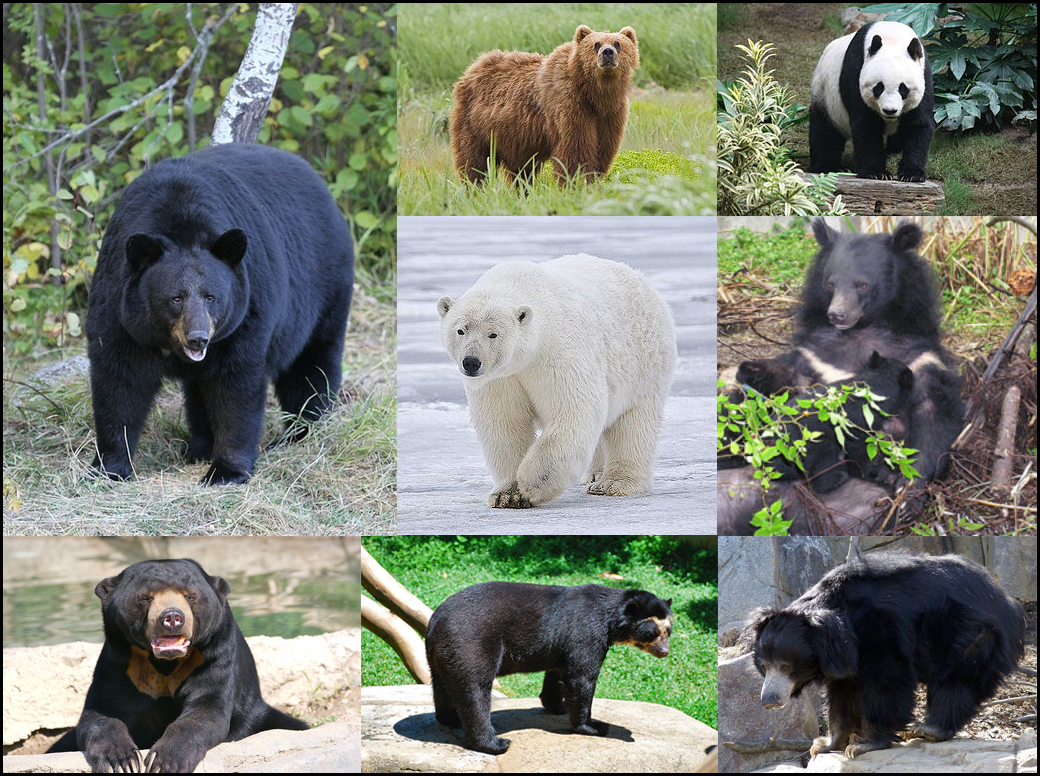
The bears themselves are Eurasian brown bears, a subspecies native to the forests of Switzerland and other parts of Europe. They’re not wild, of course—they’ve been born in captivity or rescued from less fortunate circumstances—but they’re still impressive animals, with thick fur and a quiet, watchful presence. The city takes their care seriously, and the enclosure is designed to give them as natural a habitat as possible within an urban setting. There’s even a small cave-like structure where they can retreat from the public eye. The bears are fed regularly, and visitors can sometimes see them being given treats like apples or honey, though the staff are careful not to encourage too much interaction.
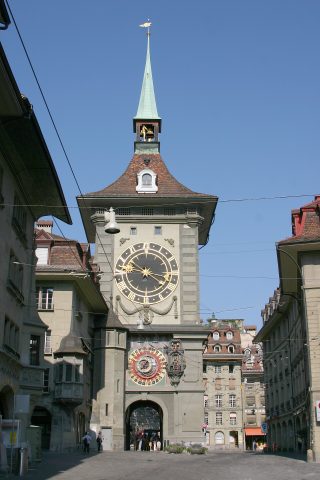
For locals, the Bear Pit is a place of quiet pride. It’s not the kind of attraction that draws crowds of selfie-stick-wielding tourists, at least not in the same way as the Zytglogge or the Rosengarten. Instead, it’s a spot where Bernese families bring their children, where elderly couples stroll on sunny afternoons, and where visitors who’ve wandered off the main tourist trail end up almost by accident. There’s a sense of continuity here, a reminder that Bern has always been a city that values its symbols, even the living ones. The bears are part of the city’s rhythm, as much as the weekly markets or the chime of the clock tower.
The pit has had its share of controversy over the years. Animal rights activists have occasionally criticized the conditions, arguing that even a spacious enclosure can’t replace a natural habitat. In response, the city has made efforts to improve the bears’ living space, including the 2009 expansion that added more climbing structures and a larger pool. The debate reflects a broader tension: how do you balance tradition with modern expectations? For Bern, the Bear Pit isn’t just about keeping animals; it’s about preserving a piece of the city’s soul. The bears are a link to the past, a living connection to the medieval world where symbols and reality often blurred.
If you visit, it’s worth taking your time. The Bear Pit isn’t a place to rush through. Sit on one of the benches along the edge and watch the bears for a while. Notice how they interact with each other, how they explore their space, or how they sometimes just lie there, seemingly half-asleep but always aware. The pit has a way of slowing you down, of making you pay attention to small details—the way the light hits the water, the sound of the river, the occasional grunt or snuffle from the bears. It’s a reminder that even in a city as old and storied as Bern, there are still moments of quiet, of connection, of something real.
In the end, the Bear Pit is more than just a tourist attraction. It’s a piece of living history, a place where the past and present coexist in a way that feels almost effortless. The bears are neither pets nor performers; they’re a part of Bern’s identity, as much as the sandstone buildings or the cobblestone streets. To stand there, watching them, is to feel a small but tangible link to the city’s long, complicated story. And maybe that’s the point—not to marvel at something grand or extraordinary, but to appreciate the quiet, enduring things that make a place what it is.