Medhu Ziyaaraiy is one of those quiet corners in Malé where time seems to slow down. Tucked away in the heart of the Maldivian capital, this small memorial doesn’t draw crowds of tourists, but for locals, it holds a significance that goes beyond its modest appearance. There are no grand architectural flourishes or lavish interiors here—just a rare stillness in a bustling city and a story that stretches back centuries, woven into the very fabric of the islands.
The memorial honors Abdul Barakatul, a Muslim preacher who played a pivotal role in bringing Islam to the Maldives. According to tradition, he arrived in the 12th century, introducing a faith that would reshape the cultural and religious landscape of the archipelago. Medhu Ziyaaraiy isn’t just a monument; it’s a place of pilgrimage, where people come to pay their respects. You’ll often see visitors praying, sitting in quiet reflection, or simply soaking in the atmosphere, especially in the cooler hours of early morning or late afternoon, when the sun is gentler and the air carries the scent of flowers and the sea.
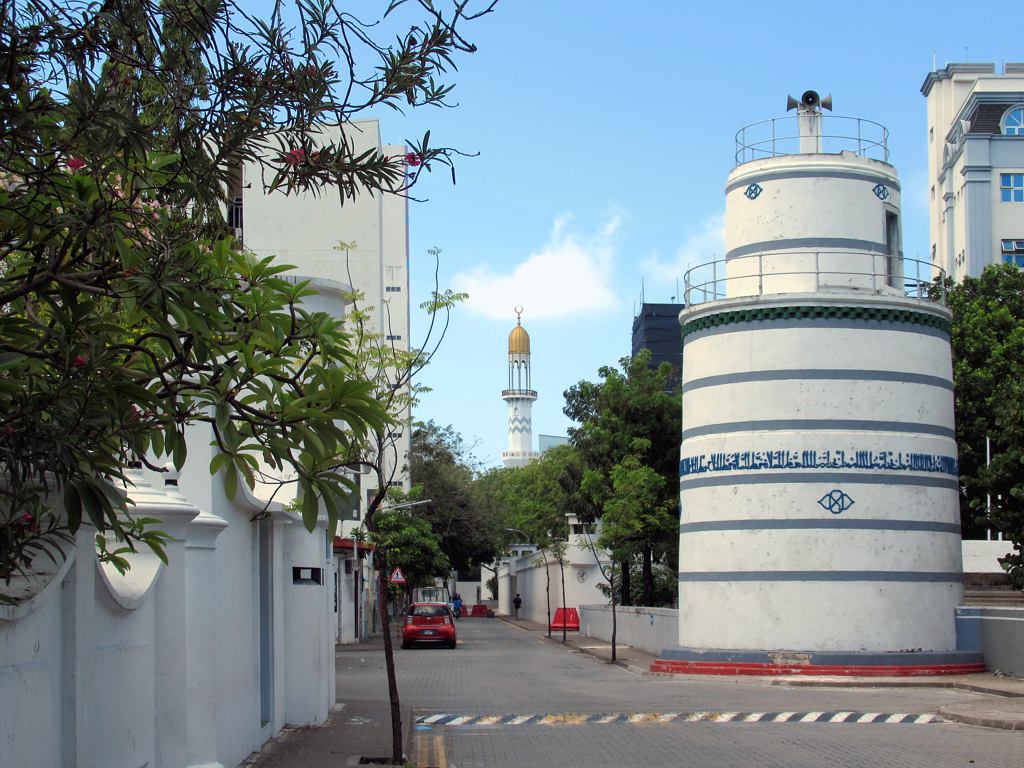
The structure itself is simple but striking. Built in the traditional Maldivian style, it features a small white dome—a hallmark of Islamic architecture—with clean lines and an unadorned entrance. Inside, there’s no opulence, just a minimalist space where the focal point is Barakatul’s grave. The floor is tiled, and the walls bear Arabic calligraphy, a quiet reminder of the spiritual legacy that still resonates here. The design is understated, letting the weight of history speak for itself.
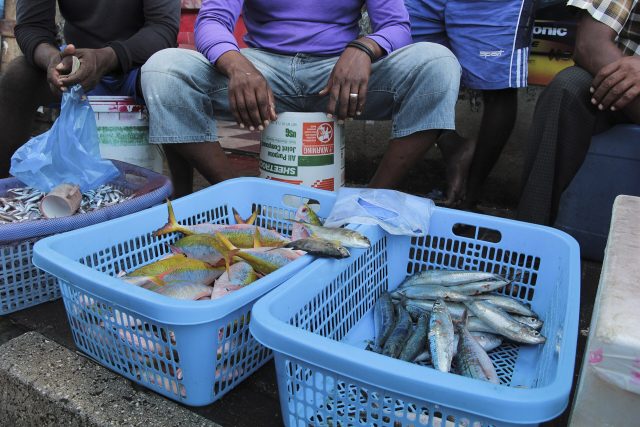
For travelers, Medhu Ziyaaraiy might not be the most obvious stop. There are no guided tours, no souvenir stalls, no cafes—just an unassuming presence in the middle of the city. Yet that’s precisely what makes it special. Visiting here offers a glimpse into the real Malé, where modern life brushes up against centuries-old traditions. Outside, the city hums with activity: motorbikes weave through the streets, vendors call out from the market, and the silhouettes of boats bob in the harbor, ready to set sail. But inside the memorial, there’s a hush, a pocket of calm in the midst of the urban rhythm.
The story of Medhu Ziyaaraiy is intertwined with the history of Malé itself. What is now the political and economic heart of the Maldives was once a small settlement where the fate of the islands was decided. This was where culture took shape, where identity was forged. The memorial stands as a symbol of that legacy, a reminder of how Islam became inseparable from life in the Maldives. For many locals, it’s a connection to the past, to a time when the islands were just beginning to become what they are today.
Visiting Medhu Ziyaaraiy isn’t so much about ticking off a sight as it is about stepping into a piece of local culture. There are no strict rules, but there is an unspoken respect. If you come here, it’s worth dressing modestly, keeping your voice low, and being mindful of those who are praying. Photography should be discreet, if at all. Even if you just linger by the entrance, watching as people come and go, you’ll get a sense of how much this small place means to the city.
Around the memorial, a small park offers a place to sit and catch your breath. Elderly men often gather on the benches, chatting about the day’s news, while children play in the shade of the trees. In the heat of midday, the dome and the surrounding greenery provide welcome relief, and in the evening, a breeze from the ocean cools the air. It’s the kind of spot where you can pause, look around, and feel the pulse of Malé—a rhythm that’s very different from the slow, sun-drenched pace of the resort islands.
Medhu Ziyaaraiy is a reminder that the Maldives is more than just pristine beaches and luxury resorts. Behind the postcard-perfect image lies a country with a rich history, where every place has its own story. That’s why the memorial matters so much to locals: it ties them to their roots, to the people who shaped Maldivian culture. For visitors, it’s a chance to see something real, to experience Malé not just as a transit point on the way to a resort, but as a city with depth, where even a small building can tell a much larger tale.