Great Mosque of Binjai is one of those places that doesn’t announce itself at first glance but lingers in your memory long after you’ve left. Tucked into the heart of the city, it sits where the hum of daily life meets quiet side streets, where time seems to slow just enough to let you notice the details. Unlike grand monuments built to impress, this mosque draws its strength from something quieter—its simplicity, its authenticity, the way it has become woven into the fabric of local life without demanding attention.
The mosque’s story is inseparable from Binjai’s own. The city, perched on the northern edge of Sumatra, has long been a crossroads of trade and culture, shaped by the comings and goings of merchants, travelers, and ideas. Islam took root here centuries ago, but the region never lost its older traditions entirely. The mosque itself emerged in the early 20th century, not as a decree from rulers or a display of wealth, but as a collective effort by the community. Shopkeepers, craftsmen, and ordinary families pooled their resources to build it, not for grandeur, but for prayer. That sense of shared purpose still lingers in its unassuming walls.
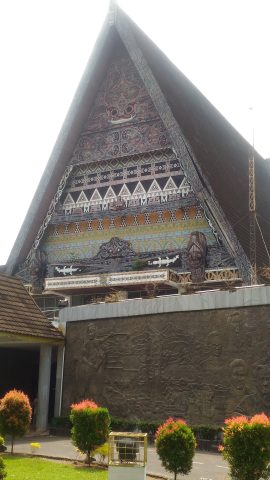
Architecturally, the mosque is a conversation between past and present. It’s not a towering structure, but a low, welcoming building with broad steps leading to its main entrance. The minaret, more fortress-like than ornate, rises just enough to be seen above the surrounding rooftops. The facade is adorned with modest stucco work, while the windows are framed by intricately carved wooden screens—a nod to Sumatra’s traditional craftsmanship. Inside, the space is equally understated: light-colored walls, tiled floors, and wooden beams supporting the ceiling. There’s no gilded excess here, just an open, airy room that invites quiet reflection.
What makes the Great Mosque of Binjai special is how it lives and breathes with the city. In the early mornings, its courtyard fills with worshippers arriving for the first prayer of the day. By afternoon, you might find schoolchildren taking shelter under the trees or elderly men sipping coffee as they catch up on the day’s news. On Fridays, when the largest crowds gather, the mosque becomes more than a place of worship—it’s a social hub where people exchange stories, settle disputes, and lend a hand to neighbors. For many in Binjai, it’s a second home, a place to step away from the rush of daily life and reconnect with something deeper.
The mosque comes alive during religious festivals, especially Ramadan and Eid al-Adha. During these times, the courtyard transforms. Strings of lights are hung, tents are set up for shared meals, and lanterns glow as dusk falls. Families prepare traditional dishes—ketupat, rendang, sambal—and share them with anyone who passes by. The atmosphere is festive, almost carnival-like, but there’s a warmth to it that feels genuine. Even those who don’t observe the rituals often stop by, drawn by the sense of community and celebration.
Despite its importance, the mosque remains open to everyone. Visitors are welcome to step inside, as long as they respect the customs: removing shoes, dressing modestly, and moving quietly. Photography isn’t forbidden, but it’s best to be discreet, especially during prayer times. Locals tend to be friendly toward guests, particularly if they show curiosity about the place. Sometimes, someone might offer tea or a brief tour, sharing stories about the mosque’s history or the traditions that shape its daily life.
Binjai is a city where Islam blends with older local customs, and the Great Mosque is one of the best places to see that interplay. Here, the sacred and the everyday aren’t separate—they coexist naturally. During weddings or funerals, you might hear not just Quranic recitations but also traditional Sumatran songs. Festive meals are prepared using recipes passed down through generations, some of which predate the arrival of Islam. The mosque isn’t just a religious site; it’s a living archive of the city’s layered identity.
The mosque sits on a slight rise, and from its courtyard, you can look out over Binjai. On clear days, the view stretches past rooftops and tree-lined streets to the distant mountains. In the evenings, as the sun sets, the call to prayer echoes across the city, marking the end of another day. It’s one of those moments when you understand why this place matters so much to the people who live here. It’s not just a building; it’s a part of their lives, their memories, and their faith.
If you find yourself in Binjai, take a moment to visit the mosque—not for the sake of ticking off a tourist attraction, but to experience its rhythm. You won’t find soaring domes or lavish decorations here, but you might discover something more meaningful: a place where faith and daily life intertwine, where history is lived rather than displayed. It’s in these unassuming corners of the world, where there’s no pretense but plenty of heart, that travel often reveals its truest rewards.