The North Sumatra History Museum in Binjai is one of those rare places where the past doesn’t feel distant or abstract. Instead, it unfolds through stories—of people, traditions, and the quiet revolutions that shaped the island over centuries. The building itself is part of that narrative. Constructed in the early 1900s as the residence of a Dutch colonial official, it still carries the marks of its origins: high ceilings, thick wooden doors, and wide verandas that hint at a time when Binjai was a key administrative hub in the Dutch East Indies. The architecture blends European influences with local touches, a physical reminder of how Sumatra once sat at the crossroads of empires.
Inside, the museum holds artifacts spanning millennia, from ancient tools to everyday objects used by the Batak, Malay, and other ethnic communities of North Sumatra. The collections aren’t just displays; they’re fragments of lives once lived. Traditional textiles, intricately carved ritual statues, and ceremonial daggers called *kris* with their wavy blades tell stories of belief, craftsmanship, and survival. Each piece was once part of someone’s home, a festival, or even a moment of loss. The exhibits don’t just explain history—they make it tangible.
Beyond ethnography, the museum also explores Sumatra’s natural world. One section features taxidermied animals—orangutans, Sumatran tigers, rhinos—creatures that once roamed the island’s jungles in far greater numbers. Maps and photographs show how the landscape has changed, shaped by volcanic eruptions, deforestation, and urban expansion. It’s a stark reminder of how fragile the balance between humans and nature can be, especially on an island where the wild and the cultivated have always existed side by side.
A separate exhibit focuses on Indonesia’s struggle for independence in the mid-20th century. Documents, photographs, and personal belongings of those who fought against Dutch rule are on display, but the emphasis isn’t on politics. Instead, it’s on the people—their hopes, sacrifices, and the quiet determination that eventually led to freedom. Oral histories play in the background, and the walls seem to echo with the voices of those who lived through those turbulent years.
Binjai isn’t a major tourist destination, and the museum’s visitors are mostly locals—schoolchildren, students, families. For them, it’s more than a field trip; it’s a connection to their roots. On weekends, you might see groups of kids wide-eyed at the exhibits or elderly visitors lingering over old photographs of streets they once walked. The museum serves as a bridge between generations, a place where traditions aren’t just remembered but passed down.
The museum isn’t large, but its layout is thoughtful. Each room reveals a different layer of North Sumatra’s history, and there’s no rush to move through them. You can pause by an exhibit that catches your eye—a weathered farming tool, a handwoven textile—and reflect on how much has changed. Occasionally, temporary exhibitions on contemporary art or regional issues bring a modern perspective, ensuring the museum remains a living space rather than a static archive.
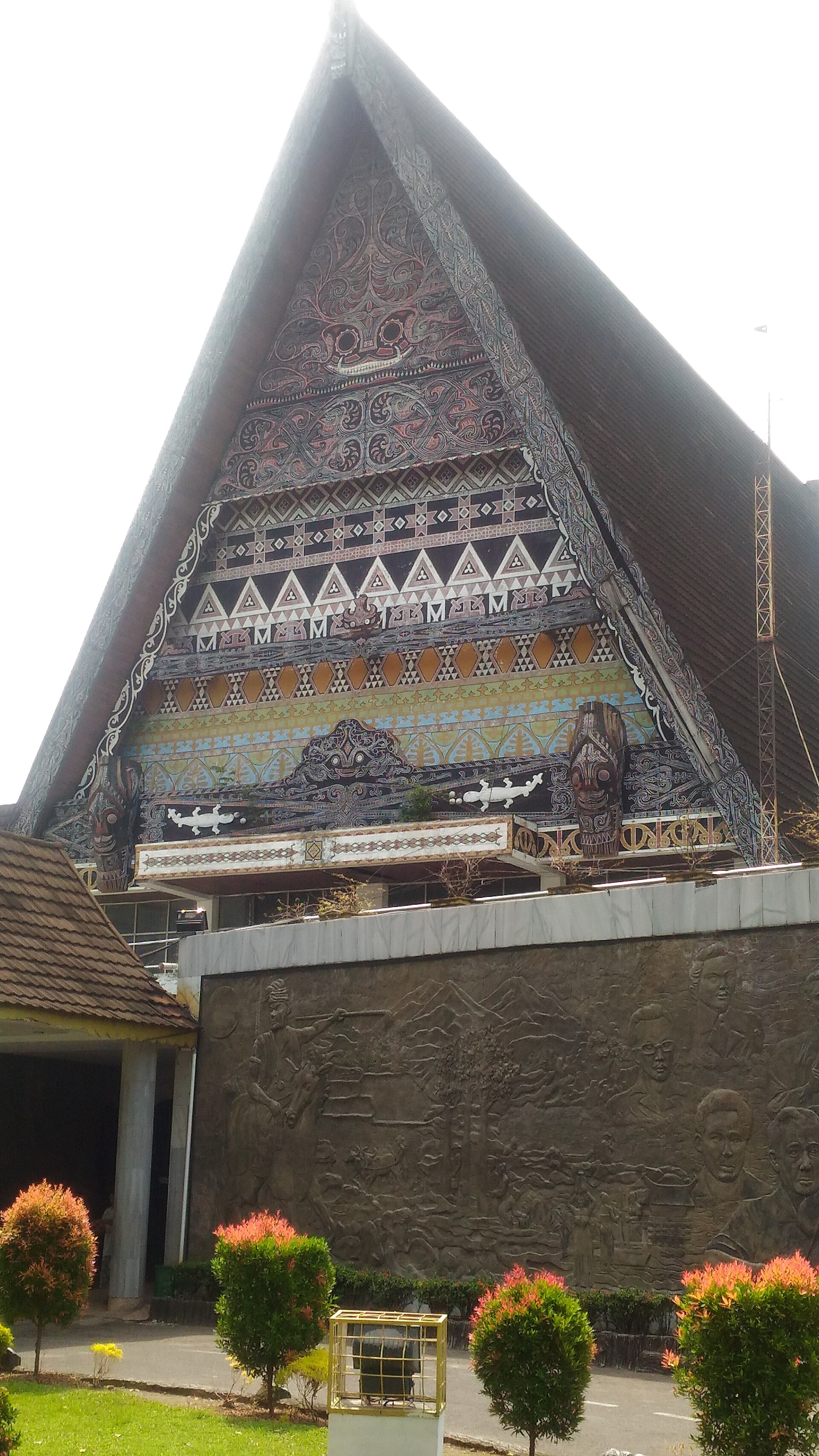
Outside, a small garden offers a quiet place to sit after exploring the exhibits. Scattered around are traditional Batak houses, relocated from villages across North Sumatra. These wooden structures, with their distinctive peaked roofs, aren’t just decorative; they’re part of the story. Some have been furnished to show how families lived—where they slept, cooked, and stored their harvest. Stepping inside, you can almost hear the murmur of daily life, the crackle of a fire, the laughter of children.
What makes the North Sumatra History Museum special isn’t its size or grandeur. It’s the way it preserves the past without making it feel like a relic. History here isn’t a series of dates or events but a continuous thread, woven into the lives of those who came before and those who walk through its doors today. For visitors, it’s a chance to understand Sumatra beyond its landscapes—to see the island through the eyes of its people. For locals, it’s a reminder of where they come from and why those stories still matter.