Al-Aqsa Mosque
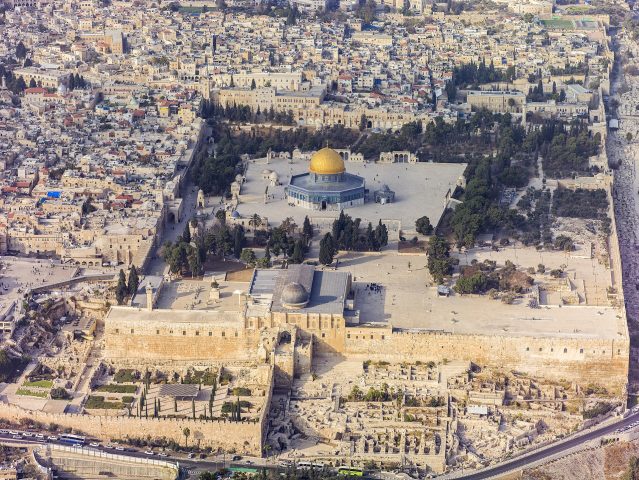
Al-Aqsa Mosque stands on the Temple Mount in East Jerusalem. Muslims regard it as the third holiest site in Islam, where the Prophet Muhammad is believed to have ascended to heaven during his Night Journey. The land has been sacred for millennia—Jewish First and Second Temples once stood here, later replaced by Roman and Byzantine structures. Each civilization left its mark, turning the Temple Mount into a record of devotion and conflict.
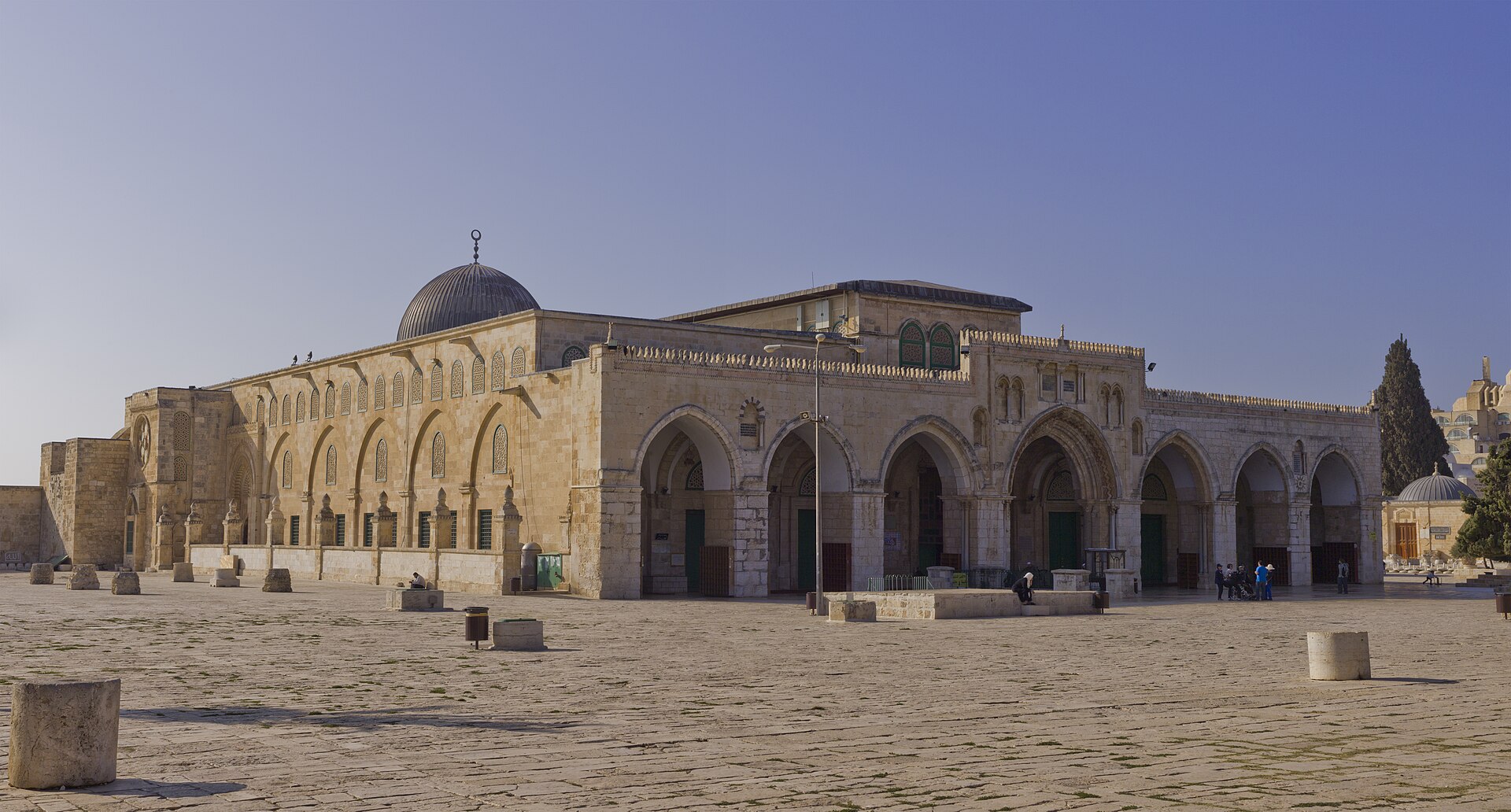
The mosque, as it appears today, dates to the 8th century. Earthquakes and wars have reshaped it over time. From the outside, it has low stone walls, a silver dome, and slender minarets. Inside, tall columns and a mihrab pointing toward Mecca define the space. Light filters through arched windows, illuminating the tiles. The building bears the scars of time but retains traces of centuries of care.
The Temple Mount holds more than the mosque. Beneath its surface lie remnants of older structures. Archaeologists have uncovered traces of Herod’s expansion of the Second Temple, Roman paving stones, and Byzantine churches. When the Umayyads arrived in the 7th century, they built Al-Aqsa and the Dome of the Rock. The site became a palimpsest of faiths, each layer built upon the last.
Jerusalem is a city of overlapping claims, and the Temple Mount sits at its heart. For Muslims, it is a place of prayer. For Jews, it is the site of the ancient Temples. Christians hold it sacred as part of the landscape where Jesus walked. This convergence of traditions makes the past feel immediate. On any given day, worshippers kneel in prayer, scholars debate scripture, or families sit in the shade of olive trees.
Visiting Al-Aqsa is not like touring a museum. The experience follows the rhythms of the place—early mornings with soft light and thin crowds, the call to prayer echoing across the courtyard. Access to the Temple Mount can shift, so check conditions before planning a visit. Once inside, dress modestly and speak softly. This is a place of worship, and that shapes every moment.
The Old City of Jerusalem unfolds in narrow streets and ancient stones. The Western Wall, the Dome of the Rock, and smaller shrines lie within walking distance. Yet Al-Aqsa ties them together, a thread running through the city’s religious and cultural fabric. Walking from the Jewish Quarter to the Muslim Quarter, you pass Ottoman arches, Crusader walls, and Byzantine mosaics—all leading back to the Temple Mount.
What keeps Al-Aqsa alive is not just its age but the way it remains part of the present. Elderly men recite the Quran inside, children play in the courtyard, and women gather to pray. The stones have witnessed empires rise and fall, but daily rituals of faith endure.
There is no single way to understand Al-Aqsa. For some, it is a symbol of devotion. For others, it is a reminder of conflict. For many, it is home. The mosque does not offer answers, but it invites reflection. Standing beneath its dome, you sense the weight of centuries and the persistence of belief.