Mġarr sits quietly on Malta’s northwestern edge, a place that feels untouched by the island’s usual tourist bustle. The roads here wind between low hills, past fields of wild thyme and rows of gnarled olive trees, their branches heavy with fruit in autumn. The air carries the scent of dry earth and salt from the distant sea, while the only sounds are the occasional bleat of goats and the murmur of voices from a nearby farm. This is rural Malta as it has been for centuries—unhurried, unpolished, and deeply rooted in its own rhythm.
The town’s history stretches back to the Middle Ages, when it was little more than a scattering of farms and fishing huts under the rule of the Knights of Malta. Its name, derived from an Arabic word meaning a gathering place or market, hints at its past as a small trading hub where farmers and fishermen would barter goods. Yet Mġarr never grew into a major center of commerce or power. Instead, it remained a place of simple, everyday life, shaped by the land and the sea. The Knights left their mark in the form of chapels and watchtowers, but the real story of Mġarr is written in the lives of the people who have tilled its soil and cast their nets into its bays for generations.
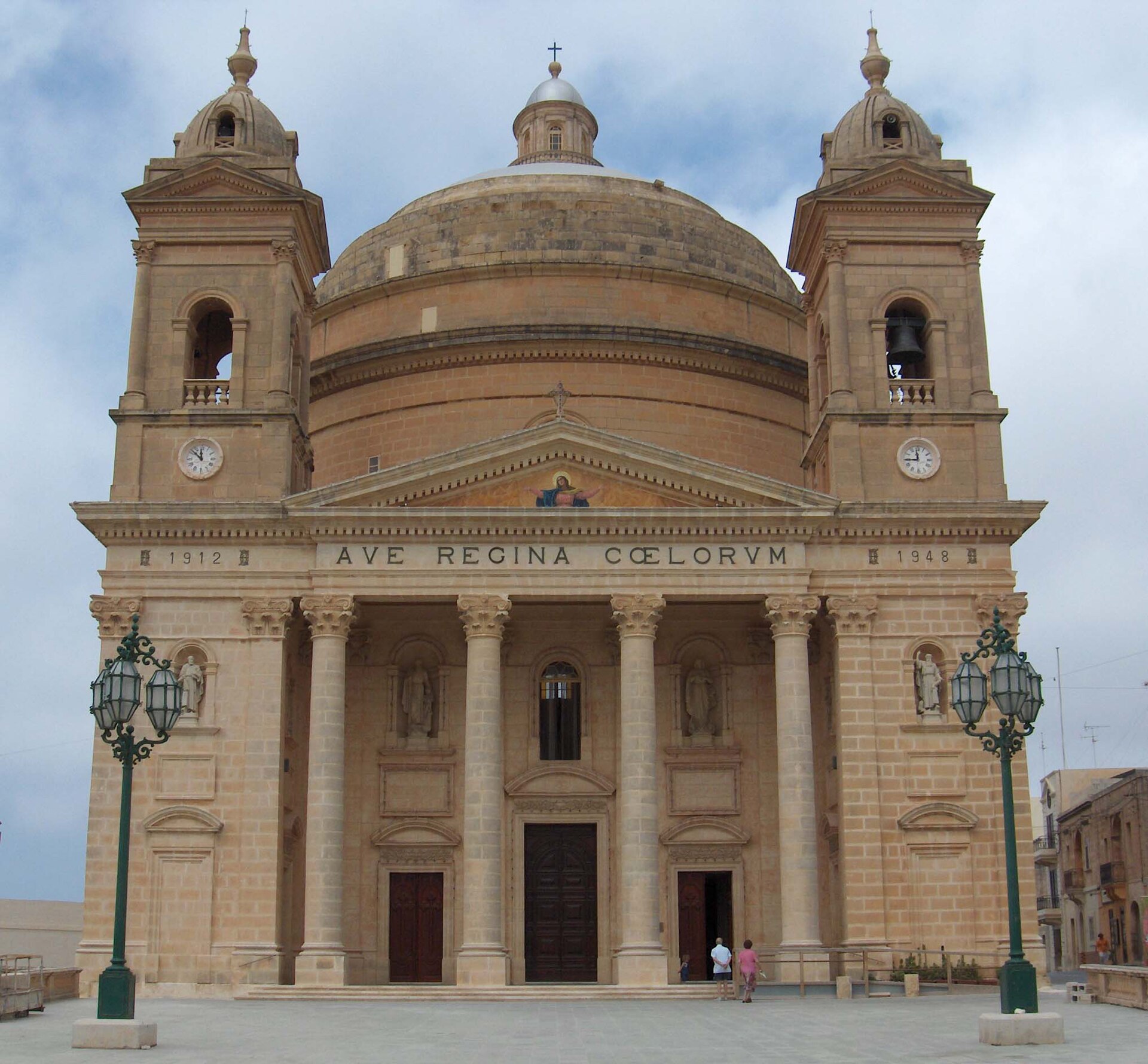
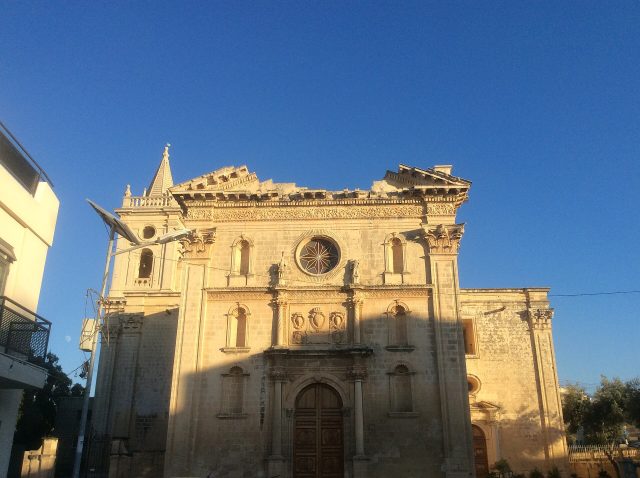
At the heart of the town stands the Church of St. Mary, a striking example of Maltese Baroque architecture. Built in the late 17th century, its façade is adorned with columns and statues of saints, their stone faces weathered by time. Inside, the church is a testament to the devotion of its parishioners—every detail, from the carved wooden altars to the intricate ceiling frescoes, was funded by local families. The marble floors, polished smooth by centuries of footsteps, reflect the flickering light of candles, creating an atmosphere of quiet reverence. For the people of Mġarr, this church is more than a place of worship; it’s a living record of their community, built stone by stone with their own hands.
Just outside the church, the town square unfolds like a scene from another era. In the mornings, vendors set up stalls selling fresh produce—tomatoes still warm from the sun, bunches of wild herbs, and rounds of tangy local cheese. By midday, the square belongs to the old men playing briscola under the shade of a centuries-old carob tree, their laughter mixing with the clink of coffee cups. Children dart between the benches, kicking a worn football, while women in floral dresses stop to chat, their baskets filled with groceries. There’s no performance here, no attempt to entertain visitors. This is simply life as it has always been, unhurried and unselfconscious.
Beyond the town, the landscape opens up into a patchwork of fields and vineyards, dotted with the occasional farmhouse. To the north lies Għajn Tuffieħa Bay, a crescent of golden sand tucked between rugged cliffs. The water here is so clear it’s almost startling, shifting from turquoise to deep blue as the sun moves across the sky. In summer, families from nearby villages come to picnic under the tamarisk trees, their voices carrying across the empty beach. By winter, the bay is deserted, the only sound the rhythmic crash of waves against the rocks. It’s a place that feels far removed from the rest of Malta, as if time itself moves differently here.
A short walk from Mġarr leads to Buskett Gardens, one of the few wooded areas on the island. The trees—oak, pine, and olive—provide a rare respite from the Maltese sun, their branches forming a dense canopy overhead. In the Middle Ages, this was a hunting ground for the Knights, who would ride through the forest in pursuit of game. Today, it’s a favorite spot for locals escaping the heat, with shaded paths winding past limestone outcrops and hidden clearings. In autumn, the leaves turn shades of amber and rust, and the air is thick with the scent of damp earth. It’s easy to spend hours here, wandering without purpose, the only company the occasional lizard darting across the path.
Mġarr is also a gateway to Malta’s agricultural past. The surrounding countryside is home to small farms where life follows the same cycles it has for hundreds of years. Grapes are still harvested by hand in September, their sweetness concentrated by the island’s relentless sun. Olives are pressed into oil using traditional stone mills, their peppery flavor a staple of Maltese cooking. Some farms welcome visitors, offering tastes of their produce—wine that’s barely more than grape juice, still fermenting in its barrel; oil so fresh it burns the back of the throat; figs so ripe they burst at the slightest touch. There’s no glossy packaging here, no tourist-friendly branding. Just the raw, unfiltered taste of the land.
What makes Mġarr special is its refusal to conform to expectations. There are no souvenir shops, no guided tours, no carefully curated experiences. The town doesn’t try to impress; it simply exists, as it always has. For those willing to step off the well-trodden path, it offers a glimpse of Malta that most visitors never see—a place where the past isn’t preserved in museums but lived every day. The pace is slower here, the people more reserved, the landscape wilder. It’s not for everyone. But for those who seek it, Mġarr is a reminder of what the island was before the crowds arrived, and what it might still be, if you know where to look.