Mġarr Market is one of those quiet corners of Malta where time seems to slow down. Unlike the bustling bazaars of Valletta or the polished tourist stalls of Sliema, this place feels unassuming, almost untouched by the rush of modern life. Tucked away in the heart of the small town of Mġarr, just a short drive from the popular beaches of the north coast, the market remains largely undiscovered by most visitors. It’s a place for those who want to see Malta as it really is—unfiltered, unhurried, and deeply rooted in everyday rhythms that haven’t changed in decades.
The market’s origins stretch back to a time when Mġarr was little more than a farming and fishing village. In those days, people traded what they grew in the surrounding fields and caught in the sea—fresh vegetables, fruit, olives, cheese, fish, and meat. Over time, the market became more than just a place to buy and sell; it turned into a gathering spot where locals caught up on news, exchanged stories, and met neighbors. Today, it still serves that purpose, though it has expanded to include more than just produce. Now, you might find handmade crafts, antiques, old coins, or even rare books among the stalls. But the essence remains the same: the market is still a place to linger, to chat with vendors, and to soak in the unhurried pace of island life.
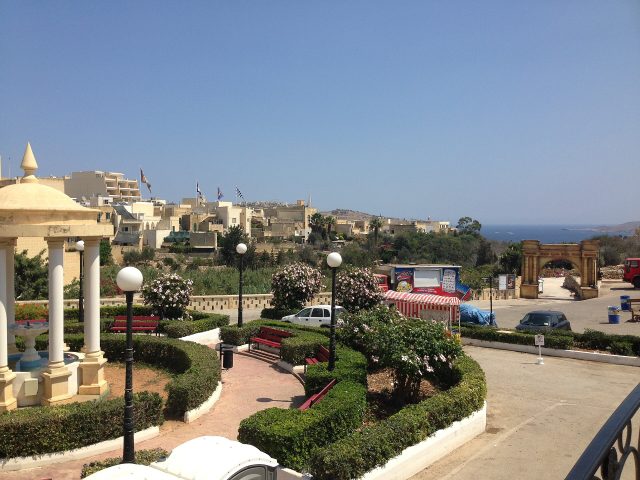
The architecture here isn’t grand or ornate. It’s practical, designed for function rather than spectacle. A few rows of stalls under simple awnings, walls built from the same golden limestone that’s used across Malta, and narrow passageways where two people can barely squeeze past each other. Everything is arranged for convenience—shade from the midday sun, shelter from the wind, easy access for both sellers and shoppers. For locals, the market is a familiar part of daily life, every corner and stall known by heart. For visitors, it’s a stark contrast to the sterile aisles of supermarkets or the polished facades of shopping malls, a reminder of how trade used to be before mass retail took over.
What draws most people here, of course, is the food. Maltese cuisine is a blend of influences—Arab, Italian, British—and many of its most distinctive flavors come from ingredients you won’t find anywhere else. The market stalls are piled high with fresh produce grown on the island: tomatoes, eggplants, peppers, figs, pomegranates. Olives take up a special place, with dozens of varieties on offer, from small and tangy to large and buttery. Vendors will happily let you taste them, explaining how best to prepare or preserve them. Another local specialty is ġbejna, a small cheese made from sheep’s or goat’s milk, served fresh, salted, or smoked, each version with its own distinct taste.
Fish and seafood are just as important. Malta is an island, after all, and seafood has always been a staple. The stalls display fresh dorado, sea bass, tuna, octopus, squid, and even sea urchins. Local fishermen bring in their catch early in the morning, and by noon, most of it is gone. Some vendors will clean and fillet the fish right in front of you, so you can take it home ready to cook. If you’re lucky, you might hear stories about the day’s catch—how rough the sea was, why this particular haul is special, or which fishing spots are best. These conversations are part of what makes the market feel alive, turning it from a simple shopping trip into something more personal.
Beyond food, the market offers other treasures. There are stalls selling old coins and medals, some dating back to the time of the Knights Hospitaller or the British colonial period. You might come across antique postcards, vintage photographs, or even old furniture, each piece carrying a fragment of Malta’s history. Then there are the crafts—handmade ceramics, embroidered linens, woven baskets, and jewelry made from silver or coral. Many of these items are one-of-a-kind, made by local artisans who take pride in their work. Buying something here isn’t just a transaction; it’s a way to take home a small piece of Maltese tradition.
The market isn’t open every day, and that’s part of its charm. It starts early, when the air is still cool, and winds down by midday, before the heat becomes too intense. Saturdays are the busiest, with the most stalls and the liveliest atmosphere. On weekdays, it can be quieter, almost sleepy, with just a handful of vendors and shoppers. Mornings are the best time to visit—fresh produce has just arrived, the vendors are energetic, and the air is filled with the scent of herbs, spices, and freshly baked bread. If you’re lucky, you might even see the farmers arriving with their goods, turning the market into a brief, chaotic spectacle of shouts, laughter, and the clatter of crates.
This isn’t the kind of place where you come with a shopping list. What matters more is the experience—the chance to wander, to listen, to watch. Locals often stop to chat, catching up on news or debating the best prices. Visitors, on the other hand, sometimes feel a little out of place at first, unsure of how to navigate the unspoken rules. But once you start talking to a vendor, that awkwardness fades. Maltese people are warm and welcoming, happy to explain their products, offer advice, or even invite you for a coffee. It’s these small interactions that make the market feel like more than just a place to buy things—it’s a glimpse into a way of life.
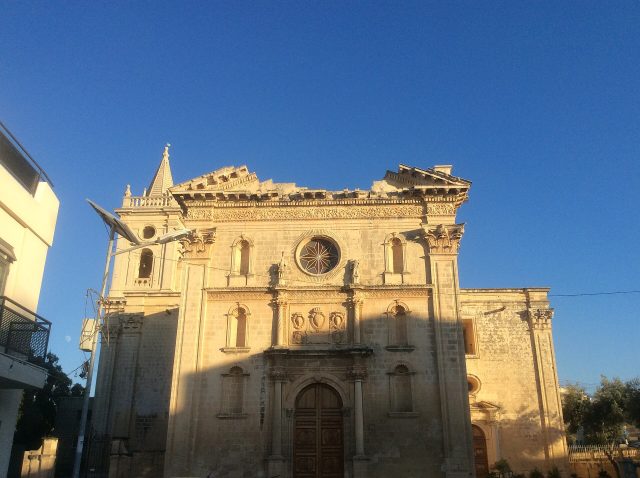
The area around the market is worth exploring, too. Mġarr is a small town, but it has its own quiet charm. The parish church of St. Matthew, built in the 17th century, stands as a reminder of the island’s deep-rooted faith. The streets are lined with traditional Maltese houses, their wooden balconies and carved doors adding character to the scene. Just outside the town, you’ll find ancient megalithic temples, older than the pyramids of Egypt. But even if you don’t venture far, a walk through Mġarr’s narrow streets is rewarding in itself. The stone walls, the flowers spilling from windowsills, the smell of fresh bread from the local bakery—it all adds up to a sense of stepping back in time.
Mġarr Market isn’t just a place to pick up groceries or souvenirs. It’s a slice of real Malta, a place where the island’s traditions and daily life are on full display. There’s no rush here, no forced hospitality, no crowds of tourists. Just people going about their lives, and those who want to see it for what it is. Visiting the market is a reminder that Malta isn’t just about beaches and resorts—it’s a country with a rich history, a unique culture, and a way of life that’s still very much alive. And in Mġarr, that way of life feels closer than anywhere else.