Monastir is a city where the past lingers in the salt-tinged air, where the Mediterranean’s endless blue meets the quiet dignity of history. At its heart stands the mausoleum of Habib Bourguiba, Tunisia’s first president, a man who shaped the nation’s modern identity. The building is more than a tomb—it’s a monument to an era, a place where politics, memory, and architecture intertwine. Visitors often come not just to pay respects, but to understand the man who led Tunisia through its turbulent mid-20th century, steering it toward independence and secular reform.
The mausoleum itself is a striking blend of tradition and modernity, a reflection of Bourguiba’s own vision for Tunisia. Built in the 1960s, its design draws from Islamic funerary architecture, with a grand white marble façade and twin minarets that rise like sentinels over the city. The central dome, gilded in gold, catches the sunlight and casts a warm glow over the surrounding courtyard. Inside, the space is hushed and reverent, with intricate tilework and calligraphy adorning the walls. The tomb itself is simple—a marble sarcophagus beneath a chandelier, a quiet contrast to the grandeur around it.
Bourguiba’s legacy is woven into the very fabric of Monastir. Born here in 1903, he returned to his hometown in later years, and the city became a symbol of his enduring influence. The mausoleum is part of a larger complex that includes a museum dedicated to his life, though the building itself often feels like the main attraction. The exhibits inside trace his journey from a young lawyer in Paris to the leader of Tunisia’s independence movement, offering a glimpse into the personal and political struggles that defined his career. For Tunisians, the site is a place of national pride, a reminder of the country’s hard-won sovereignty.
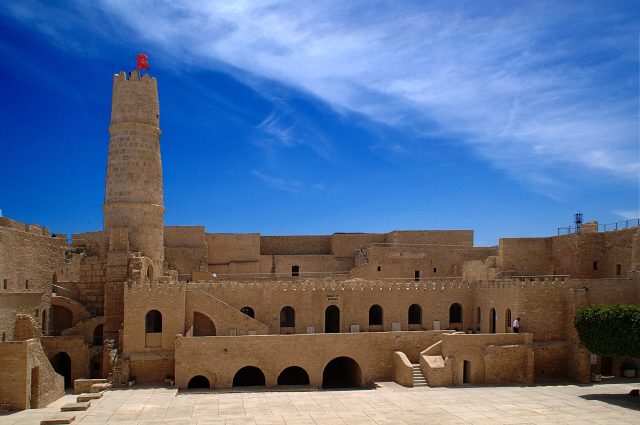
The atmosphere around the mausoleum is one of quiet reflection. Locals and visitors alike move through the space with a sense of reverence, whether they’re here to honor Bourguiba’s memory or simply to admire the architecture. The surrounding gardens, with their palm trees and fountains, provide a peaceful counterpoint to the weight of history inside. On certain days, the call to prayer from the nearby Ribat fortress drifts over the walls, adding another layer to the experience—a reminder that Monastir has been a crossroads of cultures for centuries.
For those unfamiliar with Tunisian history, the mausoleum offers a starting point for understanding the country’s modern identity. Bourguiba was a controversial figure, admired by some for his progressive reforms and criticized by others for his authoritarian tendencies. His policies—secularizing education, advancing women’s rights, and modernizing the economy—left an indelible mark on Tunisia. The mausoleum doesn’t shy away from this complexity; it presents his life as part of a broader narrative, one that continues to shape the nation today.
The building’s location in Monastir is no accident. The city has long been a place of significance, from its ancient Punic roots to its role as a medieval Islamic stronghold. The Ribat, a fortress-monastery that overlooks the sea, stands as a testament to the city’s strategic importance. Bourguiba chose to be buried here, in the place of his birth, as if to anchor his legacy in the soil of Tunisia itself. The mausoleum, with its blend of Islamic and modernist influences, mirrors the country’s own journey—rooted in tradition, yet reaching toward the future.
Visiting the mausoleum is a chance to step into this narrative, to see how one man’s life intersected with the fate of a nation. The site is not just a tourist attraction; it’s a place where Tunisians come to remember, to debate, and to reflect. On any given day, you might see school groups walking through the exhibits, elders sitting in the shade of the gardens, or young couples strolling along the paths. The mood is never hurried, never forced—just a quiet acknowledgment of the past and its place in the present.
For travelers, the mausoleum offers more than just a history lesson. It’s a window into the soul of Tunisia, a country that has long balanced its Arab, African, and Mediterranean identities. The architecture, the stories, the very air of the place—all of it speaks to a nation that has endured, adapted, and endured again. Whether you’re drawn by curiosity, respect, or simply the beauty of the site, the mausoleum of Habib Bourguiba leaves an impression that lingers long after you’ve left its walls.