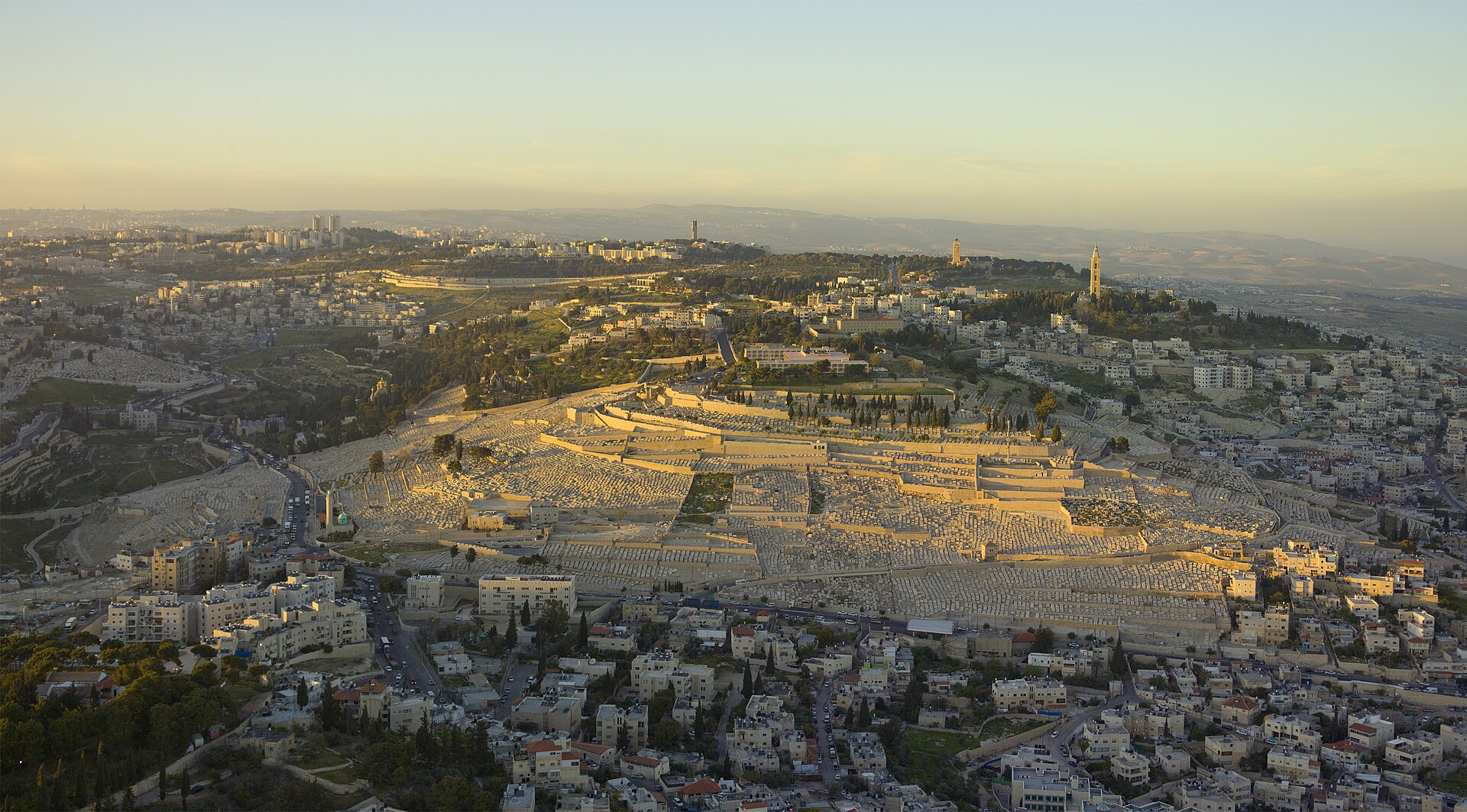
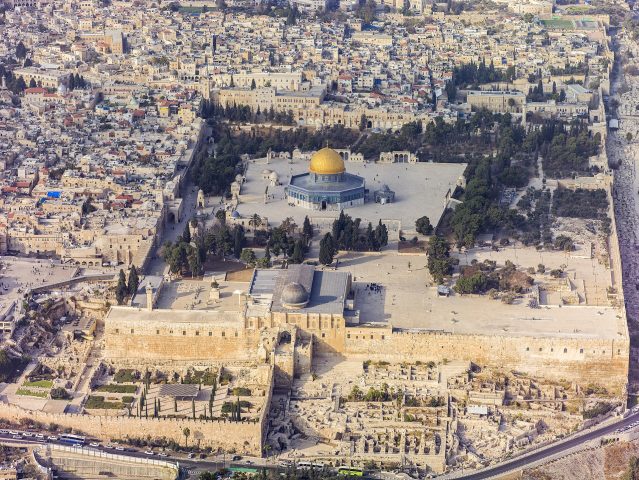
The Mount of Olives rises just beyond the Old City of Jerusalem, separated from its ancient walls by the narrow Kidron Valley. This slope of limestone and dust has watched over the city for millennia. From its heights, you see the golden dome of the Al-Aqsa Mosque, the ramparts of the Temple Mount, and the streets below where three faiths have crossed paths for centuries. But the view isn’t the only reason to come—time moves differently here.
The mountain appears in the Bible as the place where King David wept for Absalom, where Jesus prayed before his arrest, and where he ascended into heaven. Christians trace Christ’s final footsteps here; Jews believe the resurrection of the dead will begin on this slope; Muslims link it to prophecies of the Last Judgment. These beliefs overlap, and pilgrims walk side by side beneath olive trees that may have stood when Jesus, Crusaders, or Ottoman soldiers passed by.
The architecture here isn’t grand. Chapels, monasteries, and cemeteries blend into the landscape. The Church of the Ascension at the summit, built by Crusaders in the 12th century, sits on a Byzantine foundation. Its white stone dome is visible from afar, but inside, it’s simple—a small chamber with a marble slab marking where Christ rose to heaven. Nearby, the Russian Orthodox Church of Mary Magdalene stands out with its golden onion domes. Further down, the Dominican monastery offers shade, where olive leaves rustle and birds call.
The Jewish cemetery on the western slope is one of the oldest and largest in the world. Tens of thousands of graves line the hillside, from ancient sages to modern Israelis. Jewish tradition holds that the Messiah’s arrival will begin the resurrection here, making burial on this mountain an honor. Tombstones, inscribed in Hebrew, Aramaic, and Yiddish, lie close together. On clear days, the view stretches across the valley, and the stillness feels heavy with waiting.
Beyond religion, the Mount of Olives is part of Jerusalem’s daily life. In the mornings, people climb its paths to watch the sunrise. By evening, the slopes grow quiet, and the Old City’s lights flicker below. Summers are hot, the air thick with dust and wild herbs. Winters bring fleeting green. Along the road to the summit, stalls sell souvenirs, cafés serve Arabic coffee, and guesthouses offer simple rooms.
The mountain has seen change. Roman legions, Byzantine monks, Arab rulers, and British officers have all left their mark. In 1948, it became a battleground, and many buildings were damaged. Today, it remains under Israeli control, though its status, like all of East Jerusalem, is contested. For some, it’s part of Jewish history; for others, a symbol of occupation. For many, it’s where the past feels tangible.
Walking here isn’t like following a tourist route. You might start at the summit, where the wind carries prayers, then descend to the Garden of Gethsemane with its ancient olive trees. From there, wander through the cemetery, tracing names on tombstones, or sit on a bench as the sun sets behind the Temple Mount. There are no strict paths because the journey isn’t about landmarks—it’s about the quiet moments in between.
People keep returning because the mountain doesn’t offer easy answers. It offers connection—to something enduring, something in the dust underfoot and the branches overhead. In a city where the past is never far, the Mount of Olives reminds us that some stories aren’t finished yet.