Nestled in the embrace of the Julian Alps, Planica is where Slovenia’s highlands seem to reach for the sky. The air here carries a rare clarity, as if the mountains have drawn it closer, filtering out the noise of the world below. This isn’t just a ski resort—it’s a place where the history of winter sports intertwines with the raw beauty of the Alps, where every turn on the slopes or push of a ski pole feels like part of something older and deeper than the moment itself. For decades, Planica has been more than a destination; it’s a symbol of the quiet majesty of the mountains, a place where the land itself seems to breathe.
Planica’s reputation is built on flight—not the kind that requires engines, but the kind that demands courage and precision. In the 1930s, this valley became the birthplace of ski flying, a discipline that pushes athletes to soar farther than seems possible. The most iconic landmark here is the Letalnica bratov Gorišek, a colossal ski jump named after the brothers who designed it. The structure rises from the mountainside like a bridge to the heavens, its curve defying gravity. Even if you never step onto the ramp, watching skiers launch into the air, suspended for what feels like an eternity before landing, is unforgettable. Every March, the valley transforms as the FIS Ski Jumping World Cup arrives, drawing crowds from across Europe to witness the spectacle.
Yet Planica is far more than its famous jumps. In winter, the valley offers a well-kept ski resort with slopes suited to all levels. Unlike the towering peaks of Austria or Italy, the mountains here are gentler, making them ideal for families and beginners. There’s no hustle of overcrowded resorts, no long lines for lifts—just the quiet rhythm of skiers gliding down well-groomed runs. The main skiing area centers around Vitranc, where the views stretch across the valley to the surrounding peaks. Thanks to its high-altitude location, snow blankets the slopes from December through April, reliable and soft underfoot.
When summer arrives, Planica doesn’t fade into the background. The valley becomes a gateway to hiking and cycling trails that wind through alpine meadows and along rushing streams. One of the most popular routes leads to Peričnik Waterfall, where water plunges nearly 60 meters into a rocky pool below. On clear days, the view extends all the way to Triglav, Slovenia’s highest peak, standing sentinel over the landscape. For those who prefer a slower pace, the trails along the Sava Dolinka River offer a glimpse of local life—cattle grazing in pastures, wooden bridges crossing the water, and the occasional fisherman casting a line into the current. Adventurers can take to the skies with paragliding or test their skills on mountain bike descents, but even a simple walk here feels like a journey into the heart of the Alps.
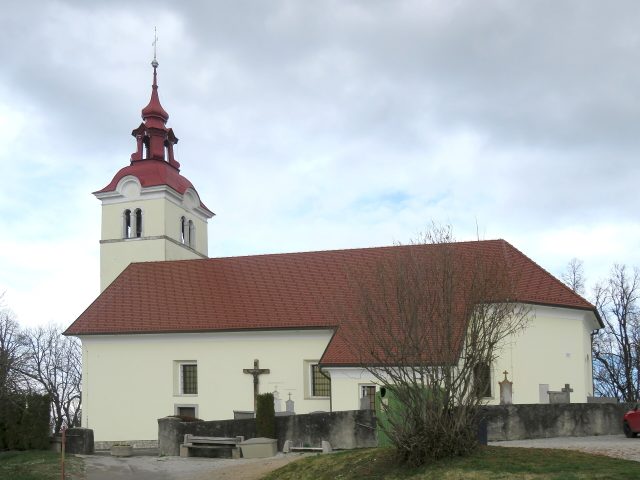
The architecture of Planica is unassuming, blending seamlessly with the natural surroundings. Wooden chalets, alpine-style hotels, and cozy cafés with outdoor terraces give the valley the feel of a mountain village rather than a polished resort. There are no grand luxury complexes here, just a sense of authenticity that comes from generations of life in the highlands. At the center of the valley stands the Church of St. Thomas, small but striking, its spire often dusted with snow in winter or framed by wildflowers in summer. Nearby, traditional restaurants serve hearty Slovene dishes—trout grilled over open flames, štruklji (rolled dumplings with cottage cheese), or a steaming bowl of barley soup, thick with vegetables and herbs.
What makes Planica special is the way it reveals the deep connection between Slovenes and their mountains. There’s no rush here, no sense of time pressing forward. Instead, the valley invites you to slow down, to notice the way the light shifts across the peaks or how the sound of the river changes with the seasons. Locals speak with pride about the records set on the ski jumps or the athletes who once traveled from around the world to compete here. Nearby, the Ski Museum offers a glimpse into Planica’s past, from the hand-carved wooden skis of the early 20th century to the sleek, aerodynamic suits worn by modern ski flyers. It’s a reminder that this place has always been about more than just sport—it’s about the relationship between people and the mountains they call home.
In winter, the valley hums with the quiet energy of a ski resort. Mornings begin with the crunch of skis on fresh snow, and evenings bring the warm glow of café lights and the scent of mulled wine. Summer is quieter, the only sounds the rush of the river and the call of birds echoing off the cliffs. Planica doesn’t try to be trendy or glamorous—it doesn’t need to. It exists as it always has, a place where the mountains dictate the pace of life. Whether you spend a day, a week, or just a few hours here, the valley leaves its mark, a quiet imprint of the Alps’ enduring presence.
If you visit for the first time, resist the urge to rush straight to the slopes or the ski jumps. Instead, pause at the edge of the valley, look up at the peaks, and take a deep breath. The air is cool and sharp, carrying the scent of pine and snow. Listen to the silence, broken only by the wind or the distant laughter of skiers. In that moment, you might begin to understand why Planica holds such a place in the hearts of Slovenes—and why, once you’ve been here, you’ll always want to return. This isn’t a place for those seeking distraction. It’s for those who want to feel, even briefly, like they’re part of something timeless.