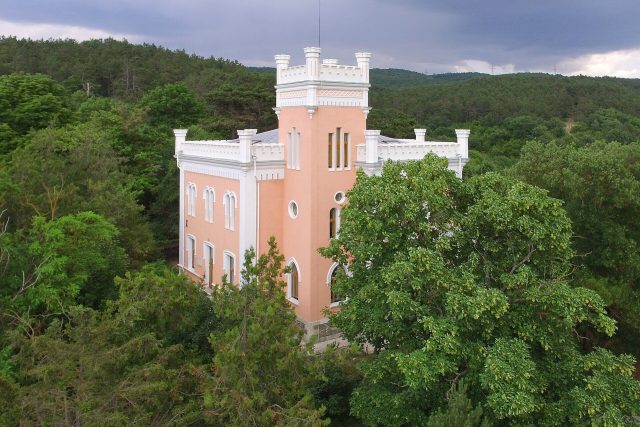
Nestled in the quiet heart of Lozove, the local history museum feels like a pause in time—a place where the past lingers in the details, waiting to be noticed. It’s small enough that you can take it in without rushing, yet every corner holds something worth lingering over. The building itself is part of the story, its high ceilings and large windows typical of provincial architecture from the early 20th century. Once serving other purposes, it now houses fragments of lives lived in this town and the surrounding countryside, each exhibit a quiet testament to the people who shaped the place.
The museum’s collection is modest but thoughtful, arranged to tell the story of Lozove through everyday objects. Tools, household items, and faded photographs reveal how generations of farmers, craftsmen, and laborers went about their lives, adapting to the rhythms of the land and the demands of their times. One section is devoted to the Second World War, where letters from the front, soldiers’ belongings, and black-and-white portraits of those who never returned serve as a reminder of how deeply the war touched even the smallest communities. There’s no grand narrative here, just the raw, personal weight of history.
Another room shifts focus to the natural world, exploring the landscapes that have defined life in Lozove for centuries. Rivers, forests, and fields aren’t just scenery—they’re part of the region’s identity, shaping traditions, trades, and even local folklore. A display of minerals and fossils, some unearthed nearby, hints at the deeper history beneath the surface. It’s easy to overlook the quiet beauty of a place like this, but the museum makes a case for looking closer, for seeing the extraordinary in the ordinary.
What sets this museum apart is its sense of living history. It’s not just a repository of artifacts but a space where the past is still being discovered and discussed. Temporary exhibitions pop up now and then, sometimes featuring contemporary photography of the town or themed displays tied to local anniversaries. Occasionally, the museum hosts talks by local historians, artists, or veterans, turning the space into a gathering point for those who care about preserving and understanding the area’s heritage. These events give the museum a pulse, making it feel less like a static archive and more like a conversation that’s still unfolding.
The museum also plays an active role in engaging younger visitors. School groups often come for guided tours and hands-on activities designed to make history tangible. Kids might try their hand at writing with a quill pen, handle replicas of old tools, or examine fossils under a microscope. The goal isn’t just to teach facts but to spark curiosity about how people lived in the past and why their stories matter. For many children, these visits turn history from something abstract into something they can touch and relate to.
Beyond its exhibits, the museum serves as a hub for the community. Local history clubs meet here, sharing research and debating new findings. Residents drop by not just to learn but to contribute—their own memories, family heirlooms, or insights into the town’s past. This exchange makes the museum feel like a shared project, one that belongs to the people of Lozove as much as it does to the curators. It’s a rare kind of place where history isn’t just preserved but lived, where the line between past and present blurs in the best possible way.
A visit here won’t take up your whole day, but it might leave you with a lingering sense of connection. There’s no grand spectacle, no attempt to impress with scale or opulence. Instead, there’s something far more valuable: authenticity. The museum doesn’t try to be anything other than what it is—a quiet keeper of stories, a place where the past feels close enough to touch. In a world that often moves too fast, that’s more than enough.