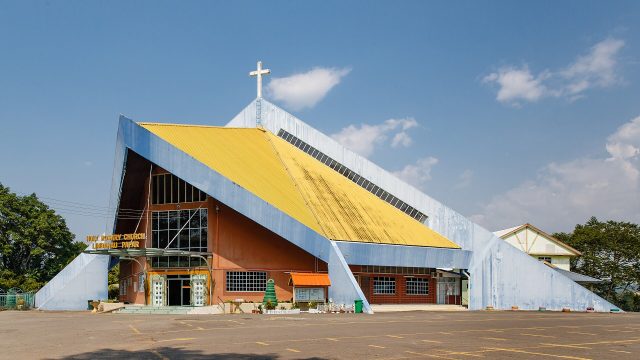
The Liberation War Museum in Dhaka is a place where the memories of 1971 are not just preserved but given shape—where history feels immediate, almost tangible. It wasn’t built as a grand monument to patriotism but as a quiet acknowledgment of what so many endured: the struggle for freedom, the losses, and the fragile hope that carried people through. There’s no pomp here, no forced solemnity. Instead, the museum offers a space for reflection, where every artifact tells a story not just of events, but of the people who lived them.
Tucked away in a quieter part of the city, the museum’s building is unassuming—modest in scale, with a simple facade. Yet inside, the design is deliberate, guiding visitors through the layers of Bangladesh’s fight for independence. The journey begins with documents and photographs that trace the roots of discontent in what was then East Pakistan: the growing frustration under colonial rule, the early stirrings of resistance, and the slow build toward revolution. There are no dramatic declarations, just the weight of facts laid bare.
One of the most striking sections is devoted to the atrocities of war. Photographs of razed villages, personal belongings of the dead, and letters written in the final days before execution create an overwhelming sense of presence. In one room, a prison cell has been recreated—its cold walls, narrow cot, and rusted bars need no explanation. Nearby, panels list the names of those who didn’t live to see victory, and those who did but were forever changed. The silence in these rooms is heavy, broken only by the occasional murmur of visitors.
But the museum isn’t just a chronicle of violence. There are halls dedicated to the cultural resistance that sustained people during the war—posters, poems, and songs that became anthems of defiance. Among the most moving are children’s drawings from refugee camps, their crayon sketches depicting homes that no longer exist, families torn apart, and dreams of peace. These fragile pieces of paper serve as a reminder that war doesn’t spare the innocent; it reshapes their world before they’ve even had a chance to understand it.
Another section highlights the international support that played a crucial role in Bangladesh’s struggle. Photographs of foreign journalists who risked their lives to document the conflict sit alongside letters of solidarity from ordinary people around the world. Diplomatic documents reveal the behind-the-scenes efforts to secure recognition for the new nation. It’s a reminder that this wasn’t an isolated fight—its echoes reached far beyond the region, drawing in voices of support from unexpected places.
The museum also serves as a living archive, hosting regular talks with veterans and survivors. Their accounts don’t always align with official narratives, and that’s part of what makes them valuable. History here isn’t a polished myth but an ongoing conversation, raw and unresolved. Visitors sometimes bring their own family heirlooms—photographs, medals, letters—to share, turning the museum into more than just a repository of the past. It becomes a place where people can seek answers, or at least a deeper understanding of questions that have lingered for decades.
Walking through the galleries leaves you with a mix of emotions. There’s pride in the resilience of those who fought for their country, but also a deep sadness at the cost of that freedom. The museum doesn’t aim to entertain or impress; its purpose is simpler and far more important. It asks visitors to engage, to remember, and to grapple with what it means to live in a nation born from such sacrifice. The exhibits don’t let you look away—they demand attention, stirring memories or forcing you to confront the weight of history.
In recent years, the museum has expanded its role beyond preservation, becoming a hub for education. School groups visit to learn about events often glossed over in textbooks, and for many, it’s their first real encounter with the history of their own country. How that history is presented matters—it shapes how they’ll remember it. The museum doesn’t sugarcoat the past, nor does it dwell solely on despair. Instead, it offers a clear-eyed look at what happened, trusting that the truth, however painful, is worth knowing.
Dhaka is a city of contrasts, where the rush of modern life collides with the quiet persistence of the past. The Liberation War Museum stands apart from the usual tourist spots—there are no grand halls or flashy displays here. But that’s precisely why it matters. It’s a place where the past isn’t just remembered; it’s felt. In a city that moves at a relentless pace, the museum offers a moment of stillness, a reminder that behind every nation’s achievements are the choices, struggles, and sacrifices of the people who made them possible.