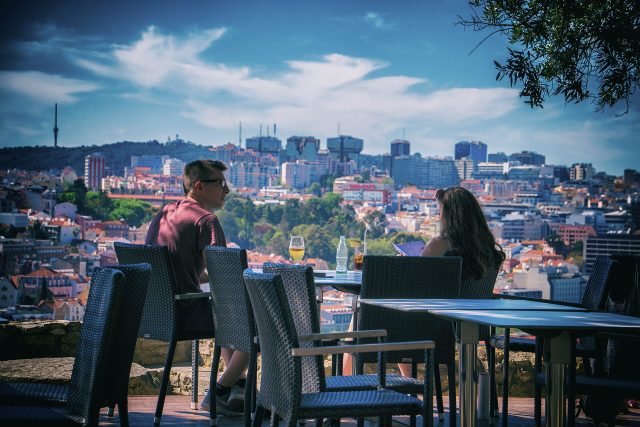
Alfama isn’t just a neighborhood in Lisbon—it’s the city’s oldest living heart, where time moves at its own unhurried pace. The streets twist and turn between houses with peeling plaster and terracotta roofs, climbing up and down the hillside in a maze that feels more like a village than part of a capital. There are no grand boulevards here, no straight lines, just a labyrinth of alleys where it’s easy to lose your way—and even easier to forget you’re in the twenty-first century. The air carries the scent of fresh bread from tiny bakeries, laundry flaps on lines strung between wrought-iron balconies, and the distant hum of voices drifting from open windows. This is where Lisbon still breathes its past.
The neighborhood dates back to the Moorish era, when Arab settlers established themselves on the Iberian Peninsula in the eighth century. They named it *Al-hamma*, meaning "hot springs," a nod to the thermal waters that once flowed here. Back then, Alfama was encircled by fortress walls, a bustling enclave of traders, artisans, and sailors. Even after the Reconquista, when Lisbon fell under Christian rule, the quarter retained its character. Fishermen and dockworkers made their homes here, passing them down through generations. The great earthquake of 1755, which leveled much of the city, left Alfama largely untouched—its narrow streets and tightly packed buildings proved more resilient than the wider avenues of the center.
Today, Alfama is a blend of old and new, where tourists and locals coexist in a rhythm that feels both timeless and effortless. In the mornings, the neighborhood wakes slowly: elderly men sit on stoops, women return from the market with bags of produce, and children kick balls in the cobbled squares. By midday, visitors wander the alleys, ducking into tiny shops selling hand-painted ceramics and cork goods, or pausing to listen to fado—the soulful music of longing that was born in Lisbon’s working-class districts. As evening falls, the quarter transforms. The sound of guitars and voices spills from taverns, and the glow of streetlamps casts long shadows on the walls, making it easy to imagine yourself in another era.
One of Alfama’s most iconic landmarks is the Castle of São Jorge, perched atop the hill like a silent guardian. Its walls have witnessed centuries of history, from Moorish rulers to Portuguese kings who made it their royal residence. The view from the castle is breathtaking, stretching across the city and the Tagus River, offering a sense of Lisbon’s vastness. But the neighborhood’s charm isn’t confined to its grandest sites. The Sé Cathedral, built in the twelfth century on the site of a former mosque, stands as a testament to the city’s layered past. Nearby, the Church of Santo António marks the birthplace of Lisbon’s patron saint, while the Fado Museum traces the evolution of the music that defines the city’s emotional landscape. Each of these places feels less like a museum and more like a living piece of the neighborhood’s fabric.
What makes Alfama special is its authenticity. There are no luxury boutiques or polished tourist traps here—just family-run taverns serving home-cooked meals and tiny bars where locals sip wine from clay jugs. On weekends, impromptu concerts spring up in the streets, and during festivals, the entire quarter becomes a stage. The liveliest time is June, when Lisbon celebrates the Feast of Santo António. Alfama erupts in color, with streets draped in paper lanterns, the scent of grilled sardines filling the air, and crowds dancing late into the night to the sound of accordions and drums.
Yet Alfama isn’t just about celebration. It’s also a place where the weight of history and the realities of modern life coexist uneasily. Some alleys still hold crumbling houses where elderly residents refuse to leave, clinging to homes that have been in their families for decades. City efforts to restore the neighborhood often meet resistance—many locals fear Alfama will lose its soul if it becomes too polished, too curated. And perhaps that’s the point. The neighborhood isn’t perfect, nor is it meant to be. Its charm lies in its imperfections, in the way it stubbornly resists becoming a postcard version of itself.
Walking through Alfama is like stepping into another time. You can spend hours wandering its streets, stumbling upon hidden courtyards where orange trees grow or climbing staircases that lead to viewpoints overlooking the river. Every corner reveals something unexpected—a centuries-old fountain, a half-forgotten church, a quiet square where old men play dominoes. Even without knowing its history, the atmosphere speaks for itself. The stones underfoot, the creak of wooden shutters, the distant echo of a fado singer’s voice—all of it carries the weight of a city that has seen empires rise and fall.
Alfama isn’t just a place to visit; it’s a place to feel. It’s where Lisbon’s past and present collide in the most human way possible—messy, vibrant, and utterly alive. Whether you come for the history, the music, or simply the chance to get lost in its labyrinthine streets, the neighborhood has a way of staying with you long after you’ve left. It’s not just a part of Lisbon; it’s the soul of the city, laid bare for those willing to look beyond the surface.