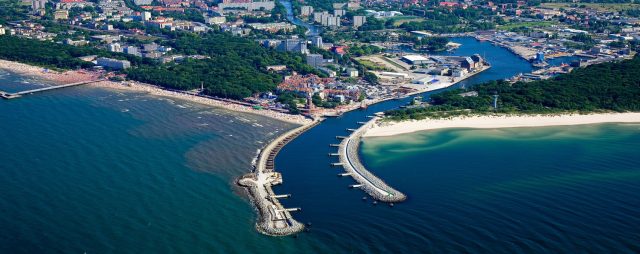
Kołobrzeg is a quiet coastal town in Poland, best known for its sandy beaches and healing mineral springs. But while the sea and shore are what most visitors expect, the town’s Resort Park offers something different—a glimpse into its past as a fashionable retreat for Europe’s elite, where nature, architecture, and wellness traditions intertwine.
The park took shape in the mid-19th century, when Kołobrzeg was transforming into a sought-after destination for aristocrats and wealthy city dwellers. Back then, the belief in the restorative powers of sea air, mineral waters, and leisurely strolls through manicured gardens was strong. The town invested in creating a space that would cater to these ideals: rare trees were planted, winding paths laid out, and pavilions built for relaxation and entertainment. Over time, the park became more than just a place for health treatments—it was the heart of social life, hosting concerts, balls, and gatherings that drew visitors from across Europe.
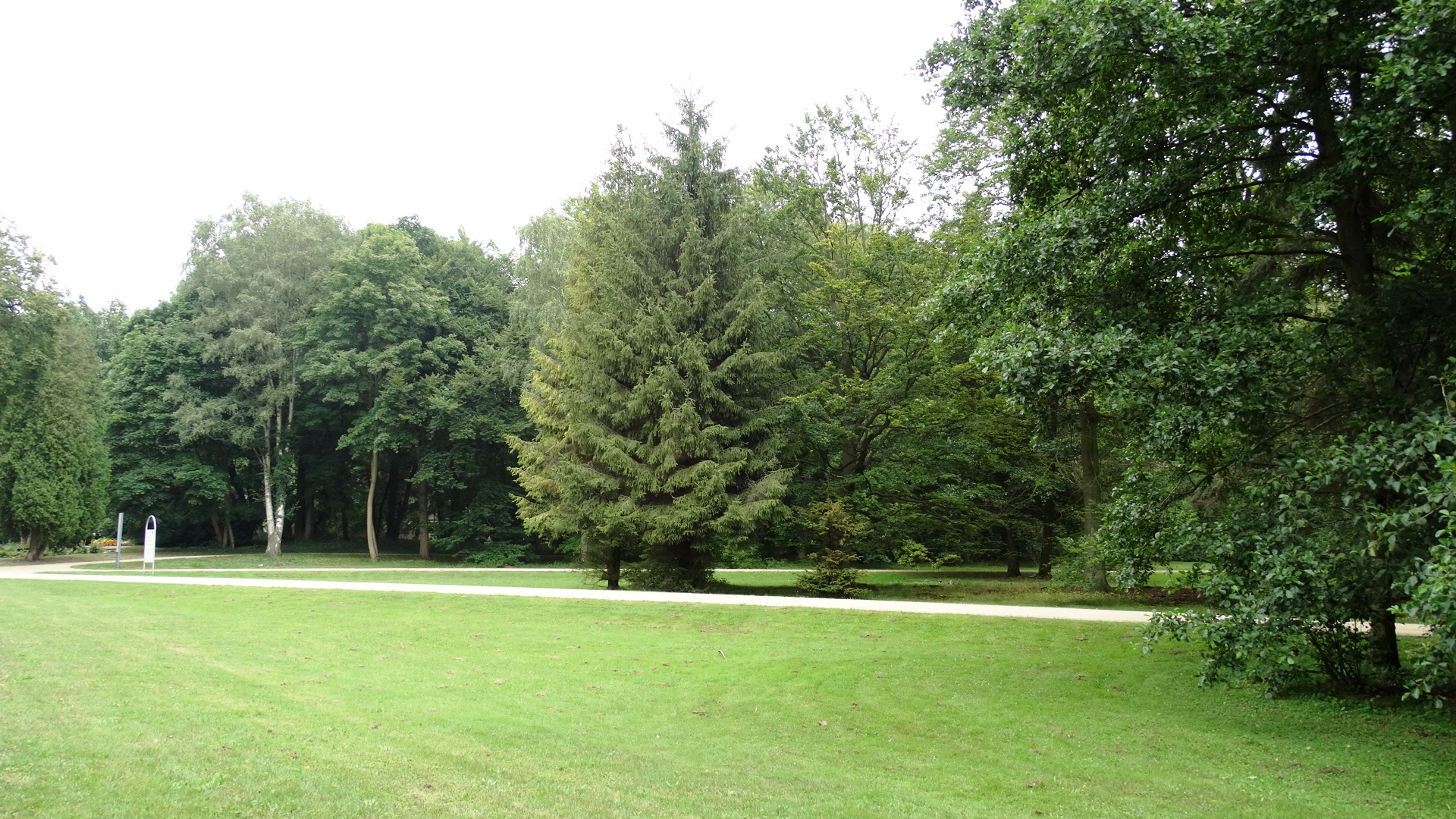
Today, the park still carries the spirit of that era, though it has grown and changed. The old oaks, beeches, and lindens now tower overhead, casting deep shade even on the hottest days. The paths lead to familiar landmarks: the mineral spring, a small pond with ducks, and a monument to the founders of the resort. The former spa hall, once the center of seasonal events, now houses a museum dedicated to Kołobrzeg’s history. Even from the outside, the building stands out with its light, neoclassical design, a quiet reminder of the elegance that once defined the place.
One of the park’s most enduring features is its mineral spring. In the 19th century, people lined up to drink the water, believing it could cure ailments from digestive issues to joint pain. Today, the spring is still accessible—visitors can fill a bottle or simply taste the water, which has a faintly salty, metallic tang, unlike anything from a tap. A small sign explains its composition, though most people come more out of curiosity than for treatment. Still, the tradition lives on: nearby sanatoriums continue to offer therapies based on the local mineral waters, especially in the summer months.
Beyond its historical landmarks, the park is a place for simple pleasures. It’s where locals and tourists alike come to escape the bustle of the town, whether for a quiet walk, a picnic on the grass, or just a moment of stillness. In summer, the park is lively with families, elderly couples, and day-trippers from nearby cities. Winter brings a different kind of beauty—bare trees dusted with frost, paths cleared of snow, and an atmosphere of quiet reflection. Even when the seaside promenade or the town square hums with activity, the park remains a peaceful retreat.
The open-air stage is another highlight. During the warmer months, it hosts concerts ranging from classical to contemporary, featuring local musicians and touring performers. In summer, the area around the stage fills with people sitting on benches or sprawling on the grass, listening to the music. When the season ends, the stage stands empty, but its presence is a reminder that the park has always been a place for both solitude and shared experiences.
What makes Resort Park special is its lack of flashy attractions. There are no amusement rides or loud entertainment—just a sense of timelessness. It’s a place where you can feel the rhythm of Kołobrzeg: unhurried, nostalgic, and rooted in the idea that a walk through the park was once an essential part of the resort experience. Today, it remains just as inviting—a spot to wander the paths, listen to the rustling leaves, and imagine the generations of people who have come here seeking rest, healing, or a moment of quiet.