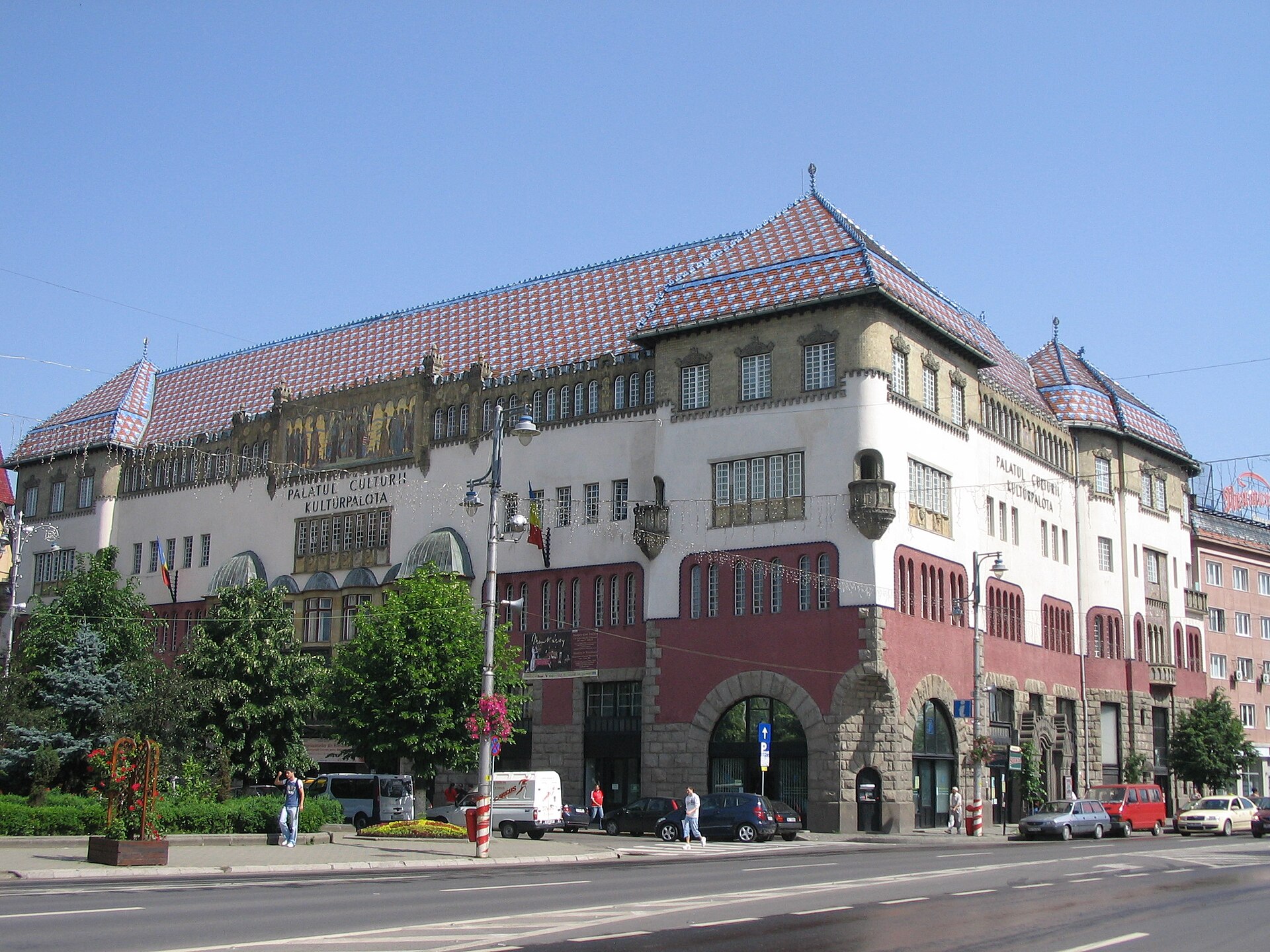
The Cultural Palace in Târgu Mureș is one of those places that feels suspended between eras, a building that carries the weight of history while still humming with the energy of the present. Rising above the city’s central square, it commands attention not just for its size but for the quiet confidence of its design. Built in the early 20th century, it was meant to be more than just a structure—it was a statement, a bold attempt to weave together the grandeur of the past with the optimism of a new age. Every detail, from the intricate stonework to the stained-glass windows, was carefully considered, as if the architects wanted to ensure that even the smallest flourish had something to say.
Construction began in 1911, designed by Marcell Komor, an architect who drew inspiration from the Hungarian Secession—a local interpretation of Art Nouveau that flourished in the region. At the time, Târgu Mureș, like much of Transylvania, was under Austro-Hungarian rule, and the city was eager to establish itself as a cultural hub. The palace was conceived as a multifunctional space, a place where theater, music, literature, and scholarship could coexist under one roof. It was an ambitious vision, one that reflected the era’s belief in the power of art and intellect to shape society.
The building’s facade is a study in balance and craftsmanship. The central section is dominated by tall, arched windows filled with stained glass, their colors shifting subtly with the light. Flanking them are towers that evoke medieval fortresses, adding a touch of romanticism to the otherwise refined lines. The entrance is framed by columns and sculptures—figures of muses and allegorical representations of the arts—each one carved with a precision that suggests reverence for the subjects they depict. Inside, the spaces feel vast and airy, though the original interiors have been altered over the decades. Still, traces of the past remain: high ceilings, ornate moldings, and chandeliers that cast a warm glow over the halls.
Today, the Cultural Palace remains a vital part of Târgu Mureș’s identity. It hosts classical concerts, theater performances, art exhibitions, and literary events, drawing both locals and visitors. The main hall, with its near-perfect acoustics, still welcomes orchestras and soloists, its interiors a time capsule of early 20th-century elegance. The library, housed in one wing, holds rare books and manuscripts, while a small museum offers glimpses into the palace’s own history and that of the city. It’s a place where the past isn’t just preserved—it’s actively engaged with.
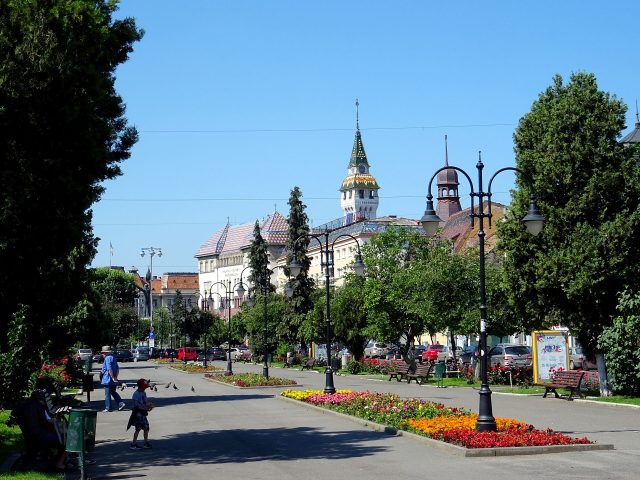
Throughout the year, the palace serves as a stage for festivals and cultural gatherings. International competitions for young musicians, folk art festivals, and contemporary art exhibitions all find a home here. In the summer, the square in front of the building transforms into an open-air venue, with street performers and impromptu concerts. In winter, it becomes the heart of the city’s Christmas celebrations, with markets and carolers filling the air with warmth. The palace doesn’t just host these events—it becomes part of them, a backdrop that feels both timeless and immediate.
What makes the Cultural Palace special is its ability to feel alive. It’s not a museum piece, frozen in time, but a place where things are always happening. Musicians rehearse in the halls, artists prepare their exhibitions, and book clubs meet in the library’s quiet corners. The foyer buzzes with conversations—students debating the latest play, elderly regulars chatting before a concert, or first-time visitors marveling at the details they’d missed before. Even those who know the building well often discover something new, whether it’s a hidden carving on the facade or a different perspective from one of the upper floors.
More than just an architectural landmark, the Cultural Palace is a bridge between eras. It carries the stories of those who built it, the artists who performed here, and the generations of locals who have walked its halls. Yet it’s also a place that evolves, adapting to the rhythms of the city around it. That duality—rooted in history yet open to the present—is what gives it its enduring appeal. It doesn’t demand admiration; it simply invites you to be part of its ongoing story.
Visiting the Cultural Palace isn’t just about seeing a historic building. It’s about stepping into a space where art, life, and time intersect. As you wander through its rooms, it’s hard not to wonder about the countless lives that have passed through here—the musicians who played in the concert hall, the writers who found inspiration in the library, the families who gathered for festivals. The palace doesn’t claim to be Romania’s most famous landmark, but it has a rare quality: it feels personal. Whether you’re there for a concert, an exhibition, or just to soak in the atmosphere, it has a way of making you feel like you belong.