
Târgu Mureș
Romania · 8 places
Photo: Sie, CC BY-SA 3.0
Târgu Mureș
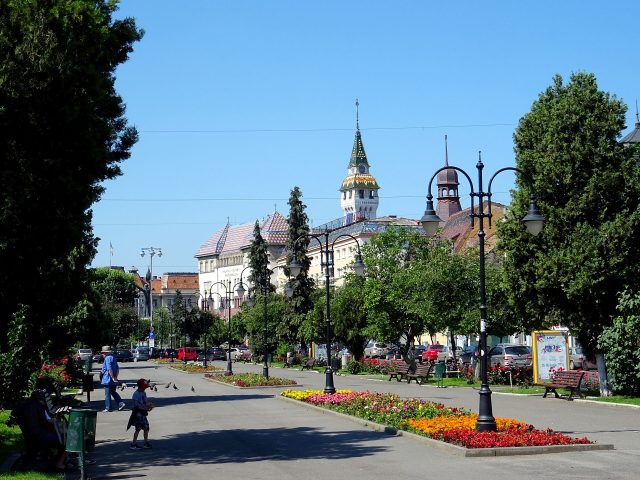
Târgu Mureș doesn’t announce itself on the Transylvanian map. There are no grand landmarks drawing crowds. The city moves at its own quiet pace, offering a glimpse into everyday life. In the mornings, the central square fills with the clatter of chess pieces as retirees play. By evening, students spill out of cafés, their laughter mixing with conversation.
This is a place to linger.
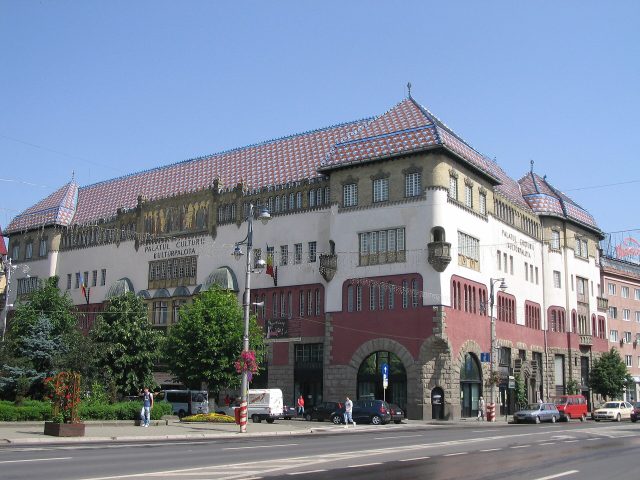
The architecture tells a story of layers. The city center shows Secession style from the Austro-Hungarian Empire. The Palace of Culture, built in the early 20th century, has a facade of colorful ceramic tiles. Inside, the concert hall’s acoustics draw musicians from across the region. Nearby, pastel buildings with balconies line the streets. Their ground floors hold small shops and cafés. Beyond the center, medieval walls stand beside Soviet-era apartment blocks.
Târgu Mureș is a meeting point of cultures. Romanian and Hungarian influences appear in the streets, signs, and food—hearty Romanian dishes next to rich Hungarian goulash. The mix isn’t forced; it’s part of life here. Markets sell local products. Restaurants serve meals perfected over generations.
There’s no need to rush. Wander without a plan. Duck into hidden courtyards. Climb the gentle hills for views of red-tiled roofs and green parks. In summer, the Mureș River becomes a gathering place. Locals rent bikes, picnic on the banks, or share a bottle of wine as the sun sets. Winter brings a Christmas market to the square and concerts to the Palace of Culture.
The city’s pace is slow.
See & Do
All of them
Places on the map
Marker colour follows the categoryClimate and weather
Detailed weather: Târgu Mureș- Average temperature
- 11 °C
- Precipitation per year
- 760 mm
- Average humidity
- 74 %
- Sunshine hours per day
- 8.7 h
- Time zone
- UTC+3 (GMT+3)
Average air temperature
°C
1
1
7
10
14
20
22
21
17
10
5
1
Jan
Feb
Mar
Apr
May
Jun
Jul
Aug
Sep
Oct
Nov
Dec


