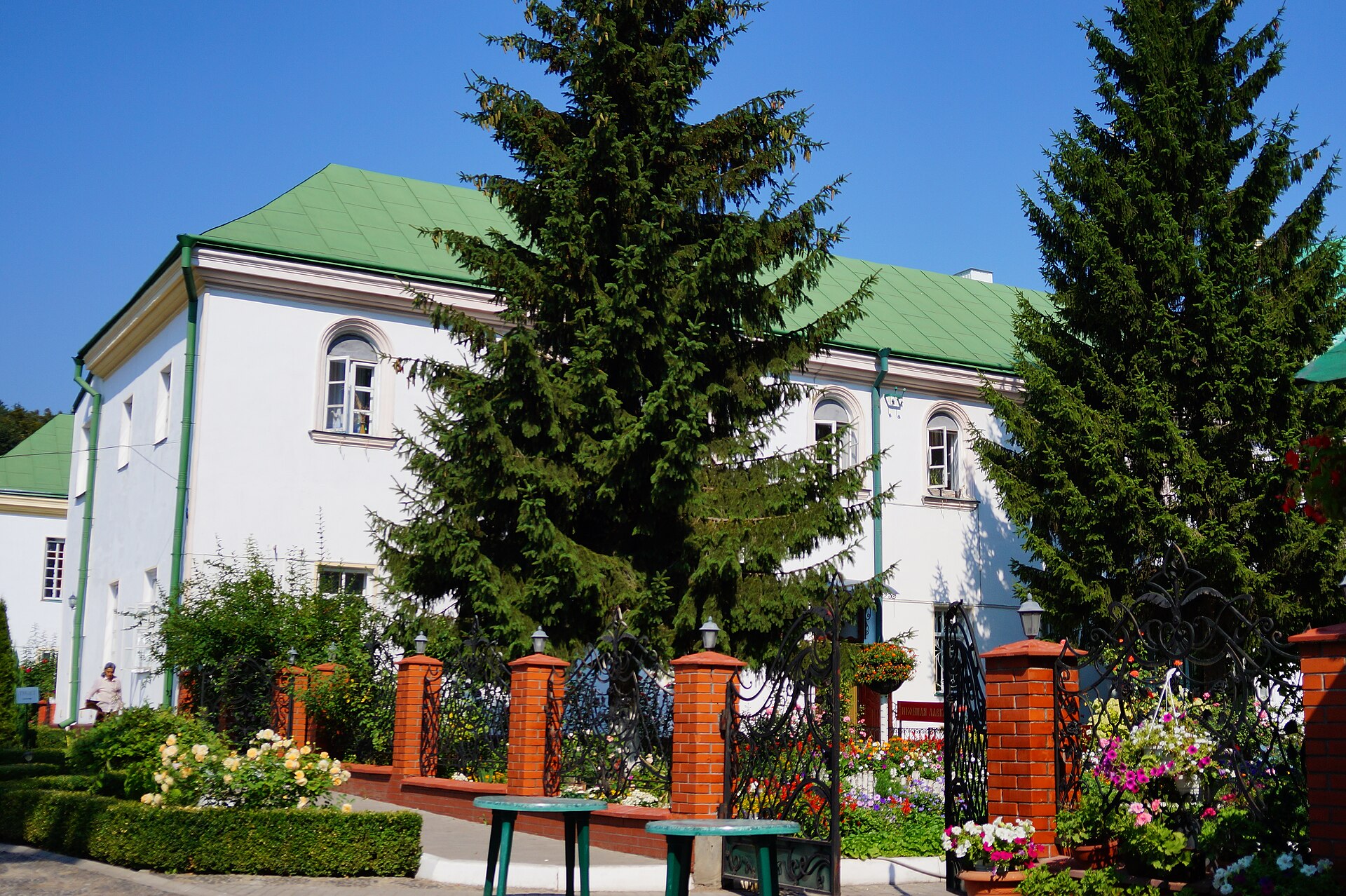
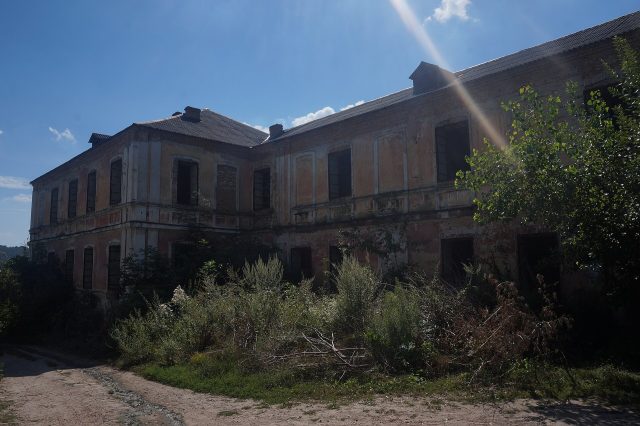
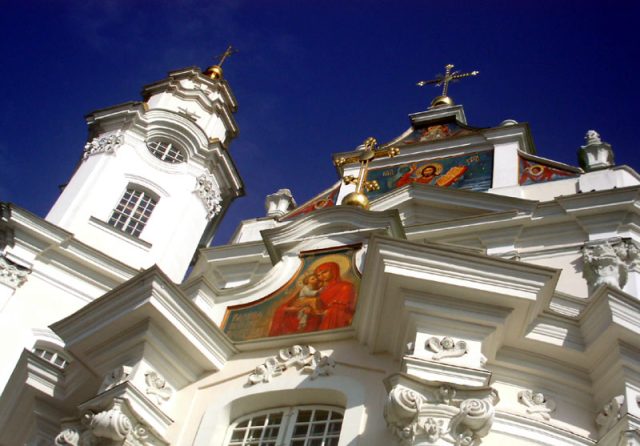
Kremenets Local History Museum is one of those rare places where history doesn’t just sit behind glass—it lingers in the air, woven into the very walls that hold it. Housed in a former Bernardine monastery built in the early 18th century, the building itself is a piece of the past. Thick stone walls, arched ceilings, and the quiet echo of footsteps in the old monks’ cells—now repurposed as exhibition halls—create an atmosphere where time seems to slow. The architecture blends Baroque elegance with local craftsmanship, and the inner courtyard, with its arcades and old well, still carries the quiet rhythm of monastic life from centuries ago.
The museum’s origins trace back to the 1920s, when Kremenets was part of Poland, and its collections have grown alongside the region’s layered history. The exhibits span millennia, from ancient settlements to the turbulent events of the 20th century. Archaeological finds—stone tools, pottery, and jewelry unearthed in the area—hint at the deep roots of human activity here. These lands were once a crossroads, where trade routes connected Europe to the East, leaving behind traces of the people who passed through or settled.
Everyday life through the ages comes alive in the museum’s displays. Icons, embroidered linens, wooden chests, and clay dishes tell stories of the families who used them. The collection of weapons and armor is particularly striking, featuring Polish sabers, Cossack firearms, and medieval blades. These aren’t just relics of war; they reflect Kremenets’ position at the intersection of empires and cultures, where conflicts and exchanges shaped the region’s identity.
The ethnographic section offers a glimpse into traditional life. Costumes, tools, and household items reveal how generations lived, worked, and preserved their customs. The intricate patterns on embroidered towels or pottery weren’t just decoration—they carried meaning, passed down through families. Today, these artifacts are rare reminders of a way of life that’s slowly fading, and the museum safeguards them with care.
One of the most compelling parts of the collection focuses on Kremenets Lyceum, one of Ukraine’s oldest educational institutions, founded in the early 19th century. The lyceum attracted students and scholars from across Europe, including the poet Juliusz Słowacki, whose name now graces a street in the city. Documents and photographs in the museum trace the lyceum’s role as a cultural hub, where ideas and knowledge flourished in a town far from the capital.
The museum isn’t just a repository of the past—it’s a living space. Temporary exhibitions, lectures, and workshops bring history to life, inviting visitors to engage with it hands-on. You might try your hand at pottery, weaving, or embroidery, learning techniques that have been used here for centuries. These events turn the museum into more than a collection of objects; they make it a place where the past feels tangible.
Kremenets has always been a meeting point of cultures—Polish, Ukrainian, Jewish—and the museum reflects that diversity. Exhibits highlight the Jewish community’s long-standing presence in the city, its contributions to trade and culture, as well as the traditions of the local Polish population, whose roots run deep. The town’s history is one of coexistence and exchange, and the museum doesn’t shy away from its complexities.
Beyond the exhibits, the museum offers a way to see Kremenets differently—not just as a quiet town surrounded by hills and forests, but as a place with a rich, often turbulent past. The stories here are waiting to be discovered, and the museum gives them a voice. It’s a reminder that history isn’t just about dates and events; it’s about the people who lived it, the choices they made, and the traces they left behind. Walking through its halls, you don’t just learn about the past—you feel its presence.