Al-Qiblatayn Mosque in Medina is one of those rare places where Islamic history feels almost tangible. Its name, meaning "Mosque of the Two Qiblas," refers to a pivotal moment in the early days of the faith. During the midday prayer here in the 7th century, the Prophet Muhammad received a revelation instructing Muslims to change their direction of prayer from Jerusalem to Mecca. This shift, which took place within these walls, redefined the spiritual focus of Islam forever. The mosque stands as a quiet witness to that transformation, its very existence a reminder of how faith evolves.
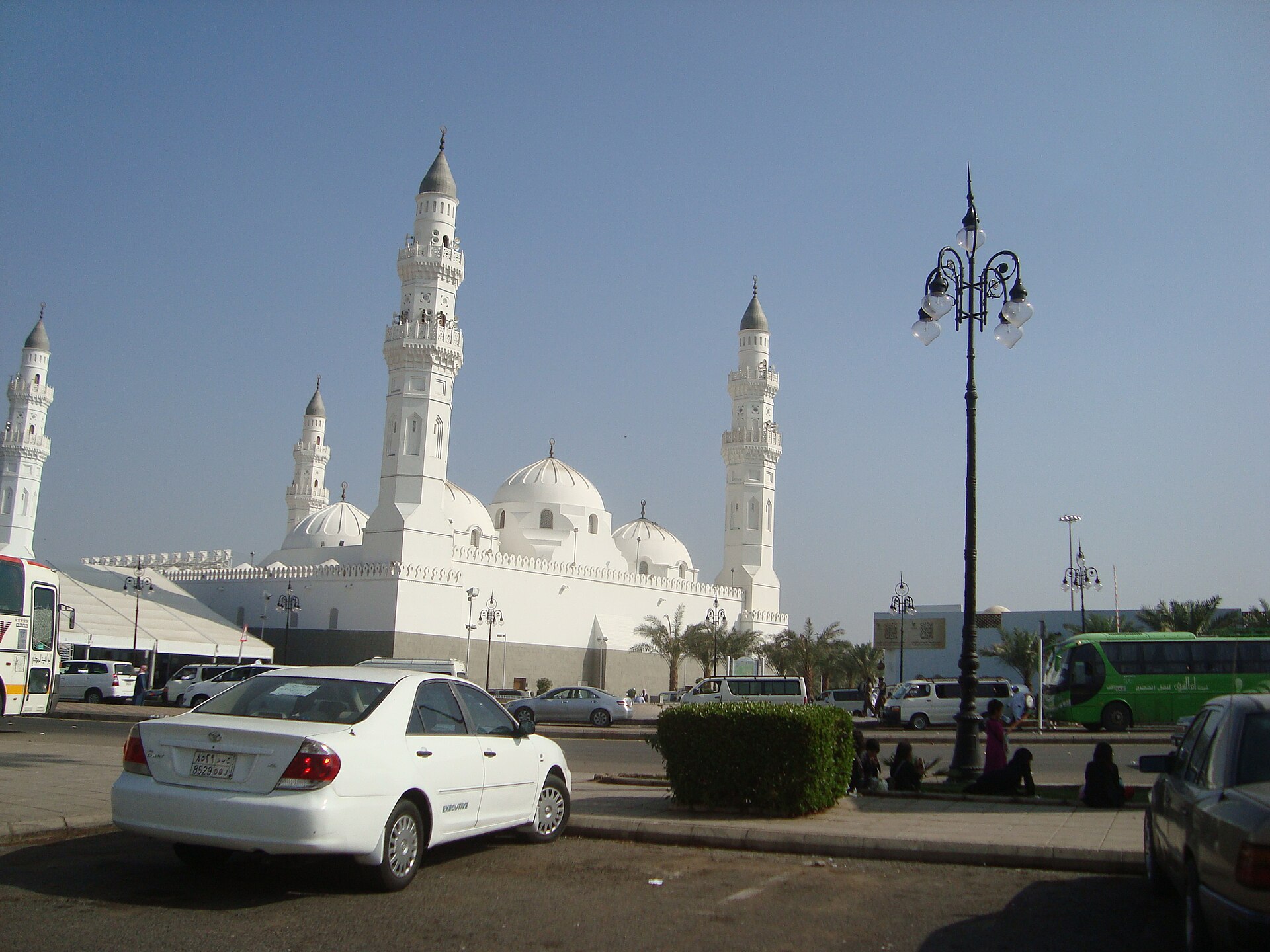
The building itself tells a story of continuity and change. The original structure was erected during the Prophet’s lifetime, but like many historic sites, it has been rebuilt and restored over the centuries. The current version dates to 1987, when King Fahd ordered a major renovation. From the outside, the mosque appears imposing yet serene—its white domes and towering minarets rising against the Medina sky, while a spacious courtyard framed by columns invites visitors to pause. Inside, the design is simple, adhering to the understated elegance of Islamic architecture, but the atmosphere carries a weight of its own. The silence here isn’t just the absence of noise; it’s a space for reflection, a quality that draws pilgrims and visitors alike.
What makes Al-Qiblatayn unique is its two mihrabs, the prayer niches that indicate the direction of worship. One faces Jerusalem, the other Mecca—a physical representation of the moment when the qibla changed. Today, only the Mecca-facing mihrab is used, but the other remains as a historical marker, a subtle nod to the past. The mosque also houses ancient Quranic manuscripts and relics from Islam’s formative years, though these are often kept out of public view. Their presence, however, adds to the sense that this place is more than just a building; it’s a repository of memory.
Medina has long been a city of pilgrimage, and Al-Qiblatayn holds a special place in the journey of those who come here. Unlike the bustling energy of Mecca, Medina offers a quieter rhythm. People visit not only to pray but to sit in the shade of the courtyard, to read, or simply to be still. The mosque is open to all, though non-Muslims are expected to respect its sanctity. There’s no grand spectacle here, no crowds pressing in—just the steady hum of devotion and the occasional murmur of prayer.
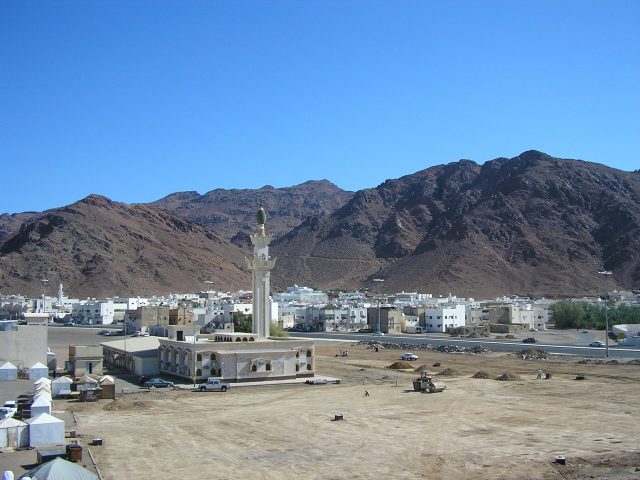
The surrounding neighborhood is modest, with narrow streets and traditional houses that haven’t been overtaken by modern development. It’s a part of Medina that feels untouched by time, where the pace of life moves slower. Nearby, other historic sites like the Prophet’s Mosque and Mount Uhud create a natural pilgrimage route, each stop adding layers to the story of Islam’s early years. Many visitors spend days in Medina, tracing the footsteps of the Prophet and his companions, and Al-Qiblatayn is often one of the first places they seek out.
Medina itself is a city where the old and the new coexist with surprising ease. While the center has seen modern hotels and shopping malls rise, the historic districts retain their character. Al-Qiblatayn stands as a bridge between these worlds—a place where the past isn’t just preserved but actively remembered. For Muslims, it holds deep spiritual significance, but even those without a religious connection can appreciate its historical weight. There’s something about the way the light filters through the courtyard, or how the call to prayer echoes off the walls, that makes the centuries feel a little less distant.
Visiting the mosque doesn’t require much preparation, but a few considerations make the experience smoother. Modest dress is expected—women typically cover their arms and legs, while men avoid shorts. Shoes are removed before entering, and silence is observed out of respect for those praying. Photography is allowed, but it’s best to be discreet. The mosque follows the schedule of daily prayers, and access may be restricted during those times, so planning around them is wise.
More than just a monument, Al-Qiblatayn is a living piece of history. Every stone, every arch seems to carry the weight of that moment when the direction of prayer changed. For Muslims, it’s a place of pilgrimage; for scholars, a subject of study; and for the casual visitor, a chance to step into a story that shaped a faith. In a city where the past is always present, this mosque holds a unique place—one foot in the time of the Prophet, the other in the world that followed. It’s a reminder that some changes, no matter how quiet, leave marks that last for centuries.