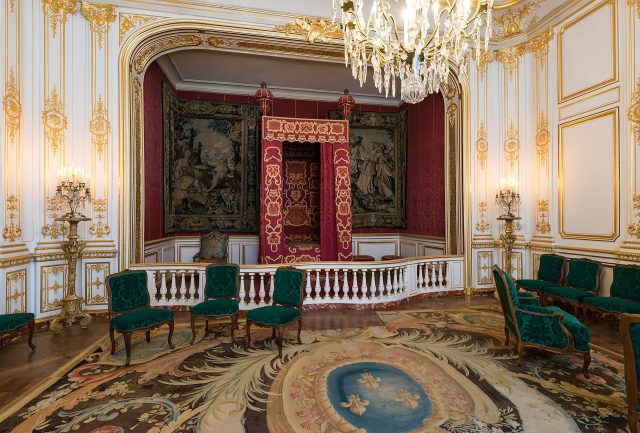
Nestled within the sprawling grounds of Château de Chambord, the equestrian center feels like a quiet echo of the past, where the rhythm of hoofbeats still mingles with the whispers of history. The château itself, commissioned by Francis I in the early 16th century, was never meant to be a grand palace but a hunting lodge—a place where the king and his court could escape the formality of court life and lose themselves in the thrill of the chase. Horses were essential to that world, not just as means of transport but as partners in the hunt, symbols of power, and even objects of fascination. Today, the equestrian center carries that legacy forward, not as a relic but as a living tradition, where the grandeur of the Renaissance meets the everyday work of caring for and riding horses.
The center occupies a portion of the vast estate that once served as the royal hunting grounds. The same paths that now lead riders through the woods were once trodden by kings and nobles, their horses stepping carefully over the same roots and stones. The landscape hasn’t changed much—wide meadows still stretch toward the forest’s edge, and the air carries the scent of damp earth and pine, just as it did centuries ago. The buildings of the equestrian center blend seamlessly into this setting. The stables, built in the same pale stone as the château, stand modestly beside modern training arenas, their design simple but elegant, reflecting the practical needs of both past and present. Inside, the stalls are spacious and well-lit, home to horses bred for endurance and grace, just as they were in Francis I’s time.
What makes the center unique is its collection of horses, carefully selected to reflect the breeds that once defined French equestrian culture. Among them are Anglo-Arabians, known for their speed and agility, and heavier breeds that were once favored for the demanding hunts through Chambord’s dense forests. Visitors can watch these horses being trained, their movements precise and controlled, or even join a ride along the same trails where royal hunting parties once galloped. The routes wind through the estate’s woodlands and clearings, offering glimpses of the château’s towers rising above the trees—a reminder of the centuries that have passed since those hunts took place.
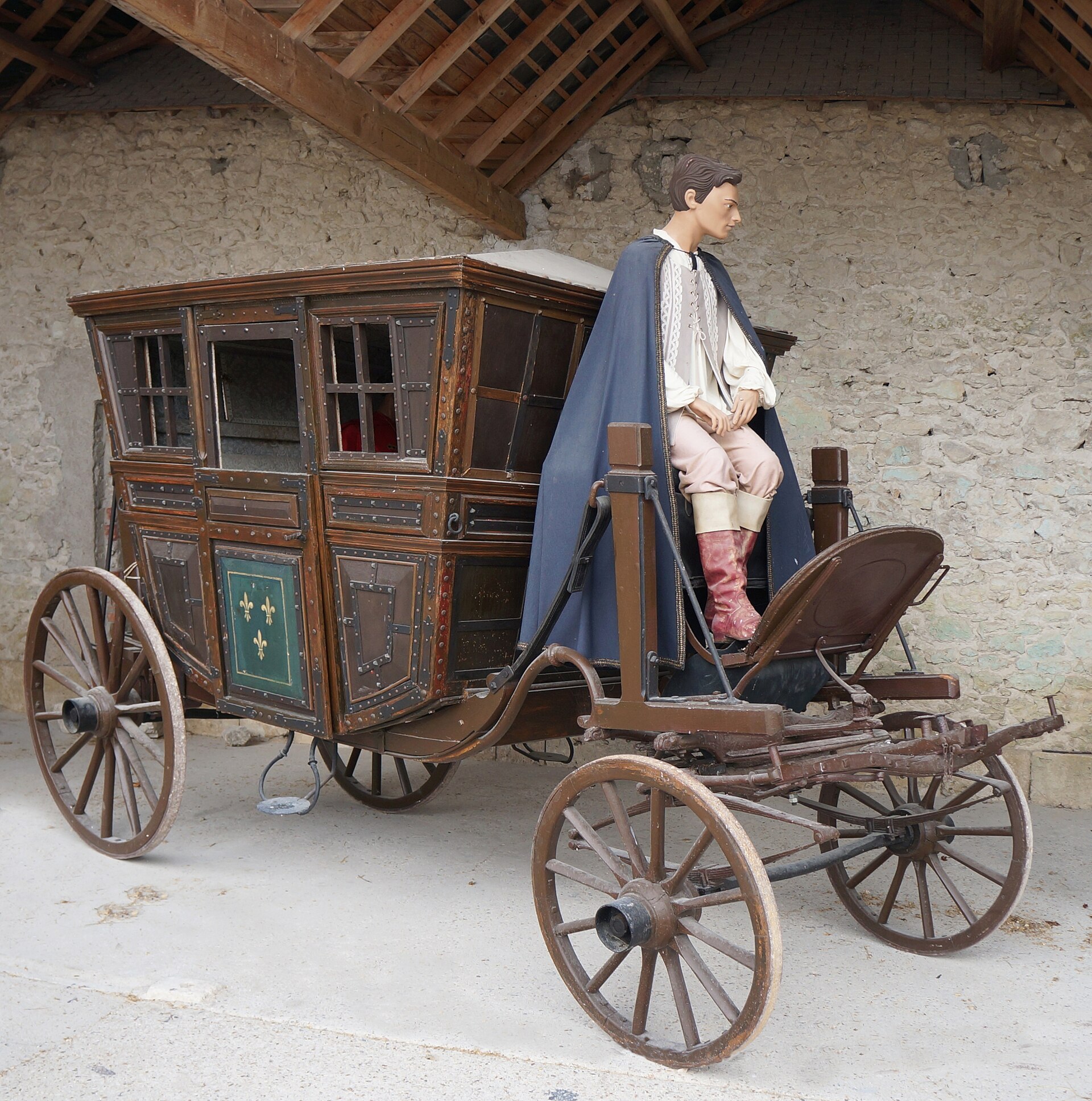
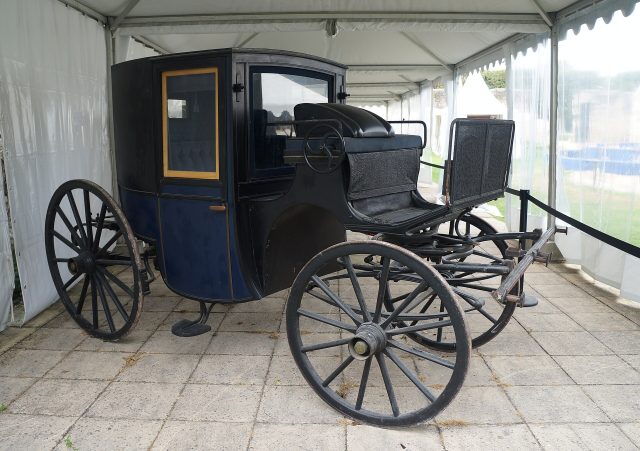
Beyond the rides, the center offers a deeper look into the relationship between horses and history. Exhibitions trace the evolution of French equestrian traditions, from the elaborate hunting parties of the Renaissance to the more structured training methods that developed over time. Workshops allow visitors to learn the basics of horse care, from grooming to saddling, while guided tours explore the role of horses in the château’s past. Guides often share stories of how the estate once had its own riding school, where not just nobles but local villagers learned to ride—a rare glimpse into how deeply horses were woven into the fabric of life here.
The center comes alive during its events, when the quiet routines of training give way to the excitement of competitions. Dressage, show jumping, and driving tournaments draw riders from across Europe, filling the air with the sound of hooves and the murmur of spectators. These gatherings are more than just sporting events; they’re celebrations of equestrian culture, complete with markets selling handmade goods and stalls offering local food. For a few days, the estate feels like it did in its heyday—a place where people come together not just to watch but to participate, to share in the traditions that have endured for centuries.
The surrounding landscape is as much a part of the experience as the center itself. The forests of Chambord are vast and untamed, their paths leading to hidden clearings where the only sounds are the rustling of leaves and the occasional call of a bird. Riding through them, it’s easy to imagine the thrill of the hunt, the tension of the chase, the moment when the hounds picked up the scent of a stag. For those who prefer to explore on foot, the estate offers plenty of quiet corners, where the château’s towers peek through the trees like sentinels of another era. Picnics under the shade of ancient oaks or a slow walk along the riverbank provide a different kind of connection to the land, one that doesn’t rely on speed or spectacle.
What lingers after a visit to the equestrian center isn’t just the memory of the horses or the beauty of the château, but the sense of time moving differently here. There’s no rush, no pressure to see everything at once. The pace is set by the horses, by the land, by the slow unfolding of history. It’s a place where the past isn’t just preserved behind glass but lived, day after day, in the routines of training, the care of the animals, and the quiet moments spent watching the light filter through the trees. For those who seek it out, Chambord offers something rare—a chance to step away from the noise of modern life and into a world where the connection between people, horses, and history still feels alive.