Chambord is best known for its castle—a grand, almost fairy-tale structure that dominates the landscape, its towers and spires visible from miles away. Yet beyond its imposing walls and moats lies a quieter place, one that most visitors overlook in their rush to explore the famous staircases and royal chambers. The Church of Saint Louis stands in the shadow of this grandeur, unassuming against the backdrop of the château, but it’s here that you can sense the true spirit of Chambord—not the ceremonial, polished version, but something far more human.
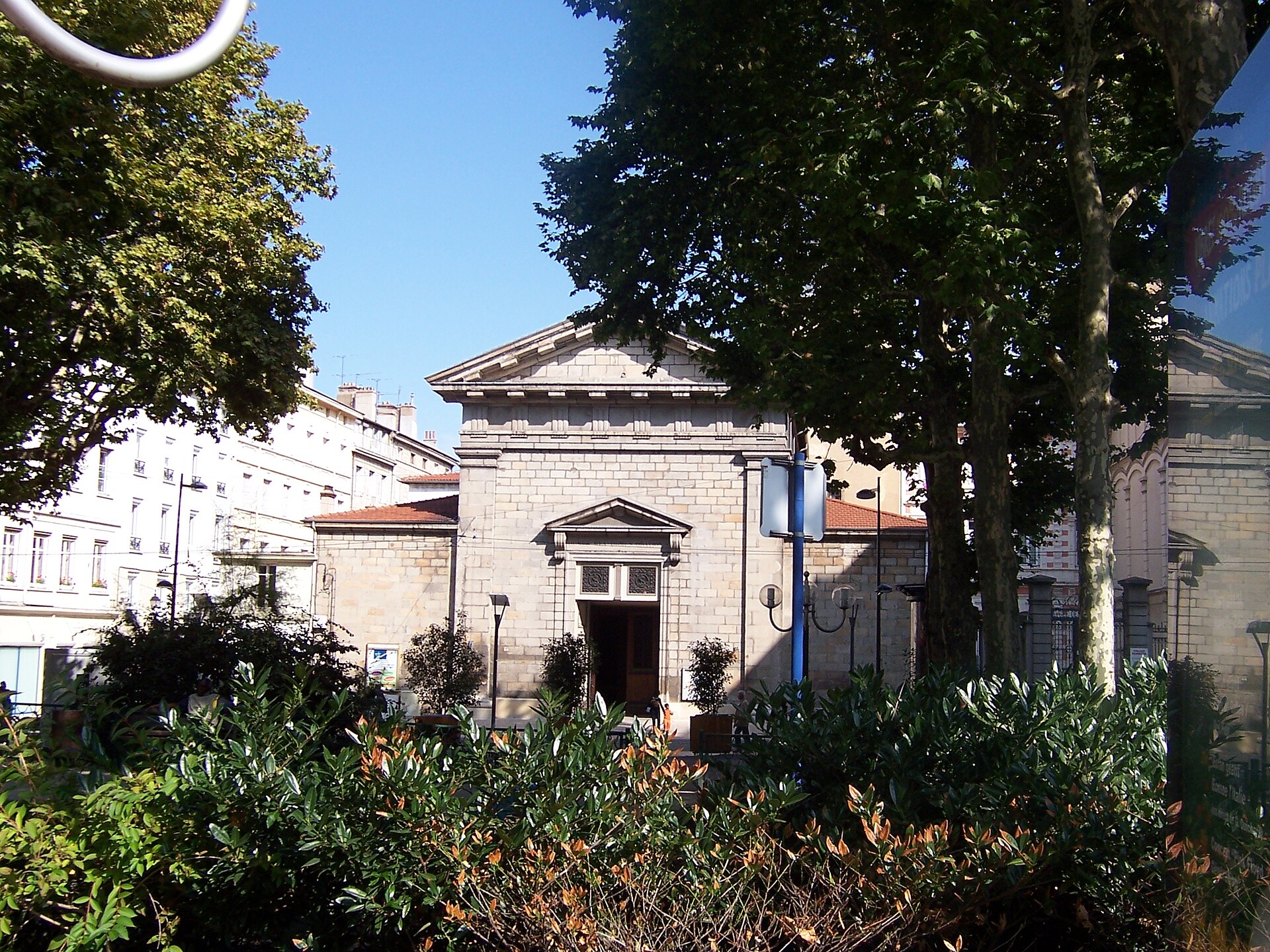
Built in the mid-19th century, long after the castle had ceased to be a royal residence, the church was a response to the needs of the growing village. Before its construction, locals had to travel to neighboring parishes for services. The architecture is modest, free of extravagance, yet it carries a quiet harmony: a low spire, clean lines, and small stained-glass windows that filter soft light into the interior. Inside, wooden pews, whitewashed walls, and an enveloping stillness offer a stark contrast to the bustle of the tourist paths just beyond its doors.
The name Saint Louis is a nod to both the patron saint of France and the era when Chambord still belonged to kings. Though the church itself is relatively recent, its dedication serves as a bridge between past and present. In medieval times, a chapel dedicated to the Virgin Mary once stood on this site, though no trace of it remains. The current building belongs to a later chapter of Chambord’s history, one where the land was no longer just a royal hunting ground but a place where people lived, worked, and prayed.
There are no lavish frescoes or gilded altars here, but that’s part of its charm. The church was never meant to be a museum piece; it was built as a place of worship and community. On Sundays, the quiet lane outside comes alive with the footsteps and voices of locals attending mass, the occasional strains of an organ drifting through the air. On weekdays, it’s often empty, offering a peaceful retreat where you can sit on a pew, study the simple decorations, or simply listen to the wind rustling through the trees in the nearby park.
While the Château de Chambord symbolizes power and grandeur, the Church of Saint Louis reminds us that behind all those walls and towers, ordinary lives once unfolded. This was where children were baptized, couples married, and the elderly laid to rest. Parish records from the 19th century tell of festivals, catechism lessons for children, and winters when the church became a gathering place for those seeking warmth. These stories rarely make it into guidebooks, but they’re the ones that give the place its soul.
A short climb up the hill behind the church reveals an unexpected view of the castle. From here, it doesn’t seem so forbidding—just majestic, almost approachable. Perhaps that’s why locals have always cherished this spot, a place to see their history from a different angle. The Church of Saint Louis was never a pilgrimage site, but for those who call Chambord home, it has always been a quiet anchor, a place to pause and reflect.
The church remains open to anyone who wishes to step inside, with only a gentle request to respect the silence. Occasionally, it hosts small concerts or local art exhibitions—modest events that draw a handful of people but create an atmosphere of warmth and connection. In those moments, the church feels like it’s reclaiming its original purpose: not just a building, but a space where people, time, and memory intersect.
Chambord is often seen as an open-air museum, but its real life unfolds not in the castle’s grand halls but in its shadows. The Church of Saint Louis is a quiet witness to that life, a silent keeper of its stories. There are no crowds here, no rush—just the wind, the trees, and time moving slowly, as it does in any French village. If the castle is Chambord’s face, then this church is its heart.