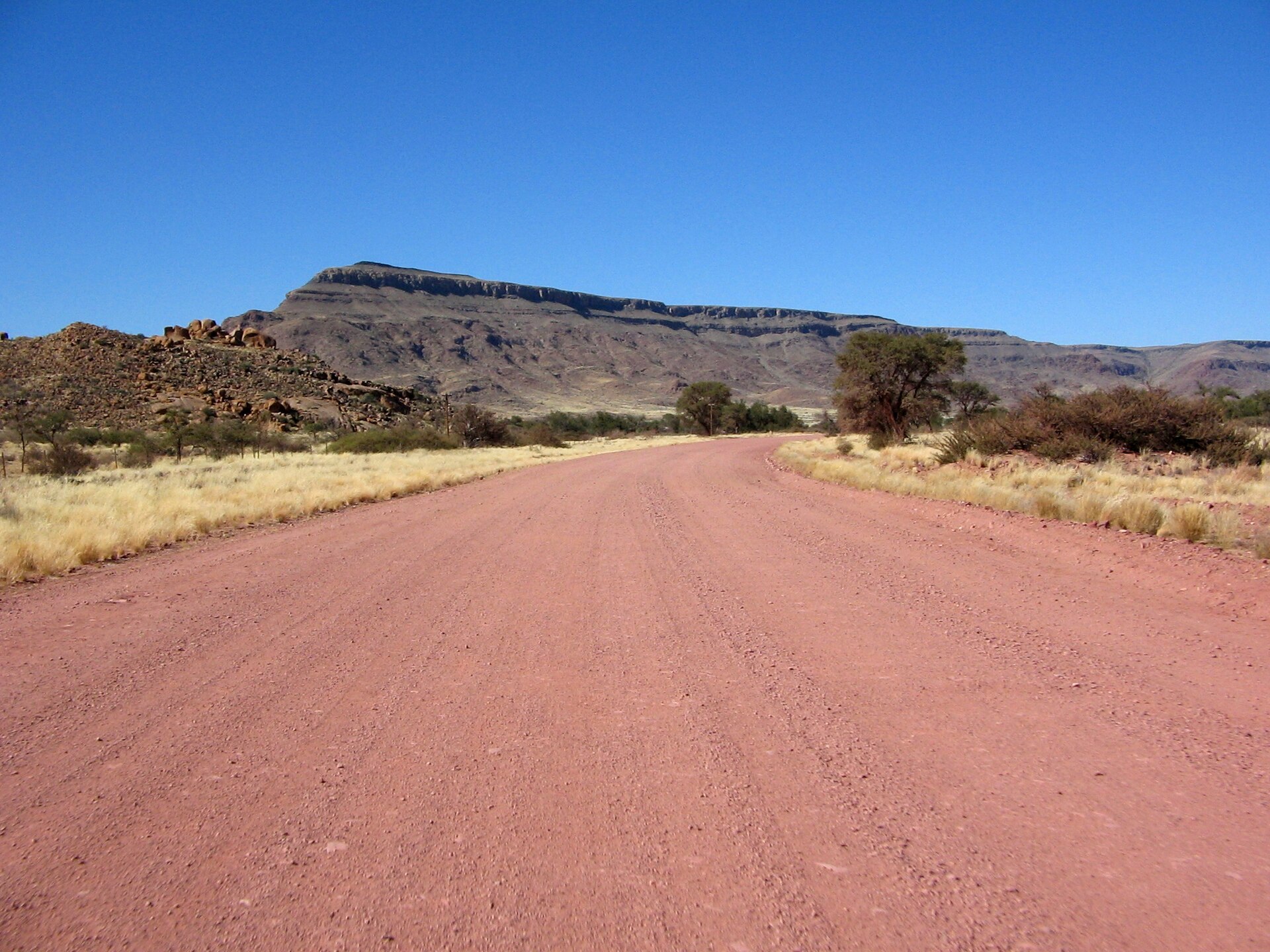
The Fish River Canyon is one of those rare places that make you pause and reconsider the sheer scale of time and the forces that shape our planet. Tucked away in southern Namibia, it’s often called the second-largest canyon in the world, though comparing it to the Grand Canyon feels almost unfair—each has its own kind of grandeur. Stretching for 160 kilometers, with sections reaching up to 27 kilometers wide and plunging 550 meters deep, the numbers alone are staggering. But standing at the edge, looking down into the vast chasm where the thin ribbon of the Fish River winds along the bottom, you realize the figures don’t do it justice. The canyon isn’t just a geological feature; it’s a presence, something almost alive, carved over millions of years by the patient work of water and time.
The story of the Fish River Canyon begins long before humans walked the earth. The river that gave it its name was once a powerful, fast-flowing waterway, but today it’s little more than a seasonal trickle, swelling only during the brief rainy season. Yet even in its diminished state, the river remains the architect of this landscape. Over roughly 350 million years, as the ancient supercontinent Gondwana began to fracture, the water slowly eroded the rock, cutting deeper and wider with each passing era. The canyon has witnessed ice ages, droughts, and floods, yet its raw, untamed appearance remains largely unchanged—a testament to the relentless power of natural forces.
For the indigenous Nama and San peoples, the canyon was never just a geological wonder. It was a sacred place, steeped in meaning and myth. They spoke of spirits dwelling in the crevices of the cliffs and of a river that carried the memories of ancient times. Archaeologists have uncovered rock paintings left behind by these communities—simple yet striking images of animals and hunters, a quiet record of lives lived in harmony with this harsh landscape long before tourists arrived with their cameras. These paintings are among the few tangible links to the past, a reminder that the canyon has been a witness to human history for thousands of years.
The canyon is a place of contrasts, shifting dramatically with the seasons. During the rainy months, from January to April, the river swells, turning the canyon into a roaring torrent surrounded by patches of green. The trails become impassable, and the area is closed to visitors due to the risk of flash floods. But when the dry season arrives, from May to September, the landscape transforms. The riverbed turns into a sun-scorched expanse of rock and sand, and the cooler temperatures make it the ideal time to explore. The best moments come at dawn or dusk, when the low angle of the sun bathes the cliffs in hues of red, orange, and purple, casting long, dramatic shadows that accentuate the depth of the canyon.
For those willing to embrace the challenge, the most immersive way to experience the canyon is by hiking its length. The multi-day trek covers about 85 kilometers, starting at the Hobas viewpoint and ending at the Ai-Ais Hot Springs, where weary travelers can soak in warm, mineral-rich waters. The journey isn’t for the faint-hearted—daytime temperatures can soar above 40°C, while nights grow chilly, and water sources are scarce. But those who undertake it are rewarded with an unparalleled perspective. Walking along the ancient riverbed, surrounded by towering walls and wind-sculpted boulders, you feel like a tiny part of something vast and timeless. The silence, broken only by the crunch of gravel underfoot and the occasional cry of a bird, makes the experience even more profound.
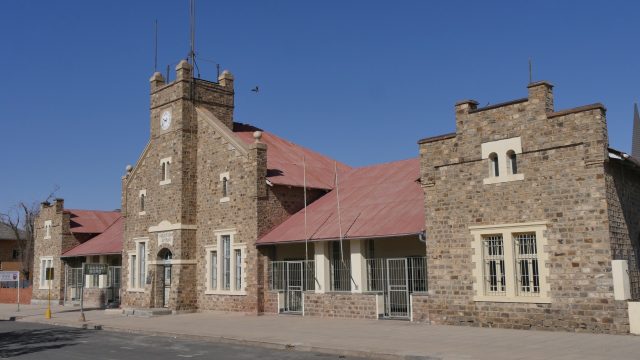
Not everyone is up for such an endurance test, and fortunately, there are gentler ways to take in the canyon’s beauty. Viewpoints like Hobas and Hell’s Bend offer breathtaking panoramas from the rim, where you can gaze down into the abyss without descending. These spots are perfect for spending a few hours, watching the play of light and shadow across the rocks or simply sitting in quiet contemplation. Nearby, the Ai-Ais Hot Springs provide a soothing contrast to the rugged landscape, with natural thermal waters bubbling up from deep underground. For those interested in the region’s history, the small museum in Keetmanshoop offers insights into the geology and cultural significance of the area.
What makes the Fish River Canyon truly special is its sense of isolation. There are no crowds, no souvenir stands, no distractions—just the raw, unfiltered beauty of the landscape. It’s a place that forces you to slow down, to listen to the wind and the distant murmur of the river, and to reflect on the fleeting nature of human existence against the backdrop of something far older and more enduring. That’s why people keep coming back, whether for a day or a week. The canyon doesn’t just offer scenery; it offers perspective.
Whether you’re drawn by the challenge of the hike, the allure of the viewpoints, or simply the desire to stand in a place untouched by time, the Fish River Canyon leaves an impression that lingers. It’s not the kind of place you visit once and forget. Instead, it stays with you—a reminder of the earth’s ancient rhythms and the quiet power of nature. In a world that often feels crowded and fast-paced, the canyon is a rare sanctuary where you can step away from the noise and reconnect with something deeper. And that, perhaps, is its greatest gift.