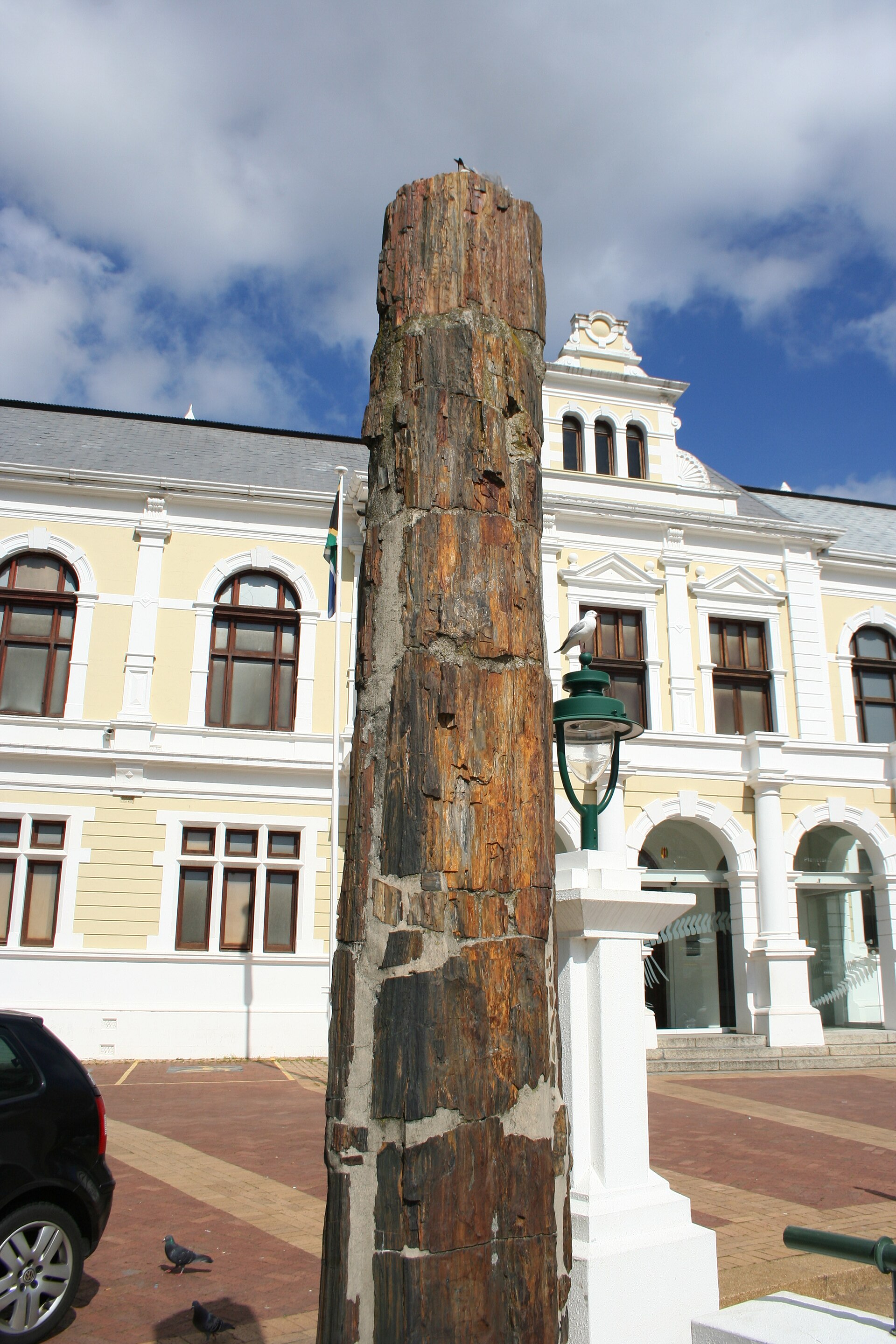
Iziko is more than a collection of museums in Cape Town—it’s a network of cultural spaces scattered across the city and its surroundings, each offering a different lens through which to understand South Africa. The name, borrowed from the Xhosa word for "home," feels fitting; whether you’re drawn to ancient fossils, contemporary art, or the layered histories of the region, there’s something here that resonates. With over a dozen institutions under its umbrella, Iziko weaves together science, art, and heritage in a way that feels both expansive and intimate. It’s not just about preserving the past but making it tangible, allowing visitors to step into stories that have shaped the country.
At the heart of Iziko is the South African Museum, founded in 1825 and housed in a stately colonial building within the Company’s Garden. The architecture itself—a grand structure with towering columns and high ceilings—hints at the institution’s long-standing significance. Inside, the exhibits span millions of years, from prehistoric fossils to ethnographic displays that bring the traditions of Southern Africa’s indigenous peoples to life. One of the most striking features is the series of dioramas depicting the San people, who once roamed these lands. The scenes are meticulously crafted, offering a glimpse into a way of life that has largely disappeared but remains deeply embedded in the region’s identity.
Just steps away, the Iziko Planetarium offers a different kind of journey—one that lifts your gaze from the earth to the stars. It’s one of the few places in Africa where astronomy is made accessible to everyone, not just scientists. The planetarium hosts regular screenings of immersive films about the cosmos, along with lectures and stargazing events. For many visitors, it’s a rare chance to see the night sky through the eyes of astronomers, to learn how telescopes work, or even to touch a meteorite that once hurtled through space before landing in South Africa. The experience is both humbling and exhilarating, a reminder of how small we are in the grand scheme of things.
History takes on a heavier tone at the Slave Lodge, a museum housed in one of Cape Town’s oldest buildings. The exhibits here confront a painful chapter in the country’s past, when the city was a major hub of the transatlantic slave trade. Rather than presenting a dry recitation of facts, the museum focuses on personal stories—letters, household items, and even the chains that bound enslaved people. The approach isn’t accusatory but reflective, urging visitors to consider how the legacy of slavery continues to shape South Africa today. It’s a difficult but necessary stop for anyone trying to understand the complexities of the nation’s history.
Art lovers will find plenty to explore within Iziko’s galleries, particularly at the South African National Gallery. The collection spans centuries, from colonial-era works to contemporary pieces by artists like Irma Stern and William Kentridge. The gallery isn’t just about paintings and sculptures; it also showcases textiles, photography, and installations that reflect the country’s cultural diversity. Temporary exhibitions ensure there’s always something new to see, even for repeat visitors. The space itself is airy and light-filled, a contrast to the weighty themes some of the works address. It’s a place where art feels alive, sparking conversations about identity, memory, and change.
For those who prefer history with a more tangible presence, the Castle of Good Hope offers a direct connection to Cape Town’s colonial past. Built in the 17th century, it’s the oldest surviving structure in South Africa, and walking its halls feels like stepping back in time. The castle has served as a fort, a prison, and a military headquarters, and its thick stone walls hold echoes of the Dutch and British colonists who once ruled here. Visitors can explore the old cannons, the dungeons where prisoners were held, and even the secret passages that were used to move supplies unseen. Nearby, the Iziko Museum of Natural History houses an impressive collection of fossils, including the skeletons of dinosaurs and ancient mammals discovered in the region. The contrast between the two sites—one a human-made fortress, the other a repository of prehistoric life—highlights the vast sweep of time that Iziko encompasses.
On the outskirts of Cape Town, the Koopmans-de Wet House and the Bo-Kaap Museum offer quieter but equally compelling stories. The former is a beautifully preserved 18th-century home that provides a glimpse into the lives of Cape Town’s early Dutch settlers, while the latter focuses on the history of the Bo-Kaap neighborhood, a vibrant area known for its colorful houses and Cape Malay heritage. Both museums are small but rich in detail, offering a more personal perspective on the city’s evolution. Meanwhile, the Rust en Vreugd museum, another historic home, showcases a collection of antique furniture and decorative arts, giving visitors a sense of how the city’s elite once lived.
Iziko isn’t just about looking backward—it’s also a space where history feels immediate and relevant. The museums don’t exist in isolation; they’re part of a living city, and their exhibits often reflect contemporary issues. Whether it’s a discussion on climate change at the natural history museum or a modern art exhibition that grapples with social justice, Iziko encourages visitors to see the connections between past and present. The network also plays an active role in education, offering programs for schools and communities, ensuring that the stories it preserves are passed on to future generations.
What makes Iziko special is its ability to feel both vast and personal. You could spend an entire day hopping from one museum to the next, or you could linger in a single gallery, letting a particular exhibit sink in. There’s no prescribed way to experience it—just a sense that you’re engaging with something larger than yourself. In a city as dynamic as Cape Town, Iziko stands out as a place where the past isn’t just remembered but actively felt. It’s a reminder that history isn’t just something that happened; it’s something that continues to shape the world around us.