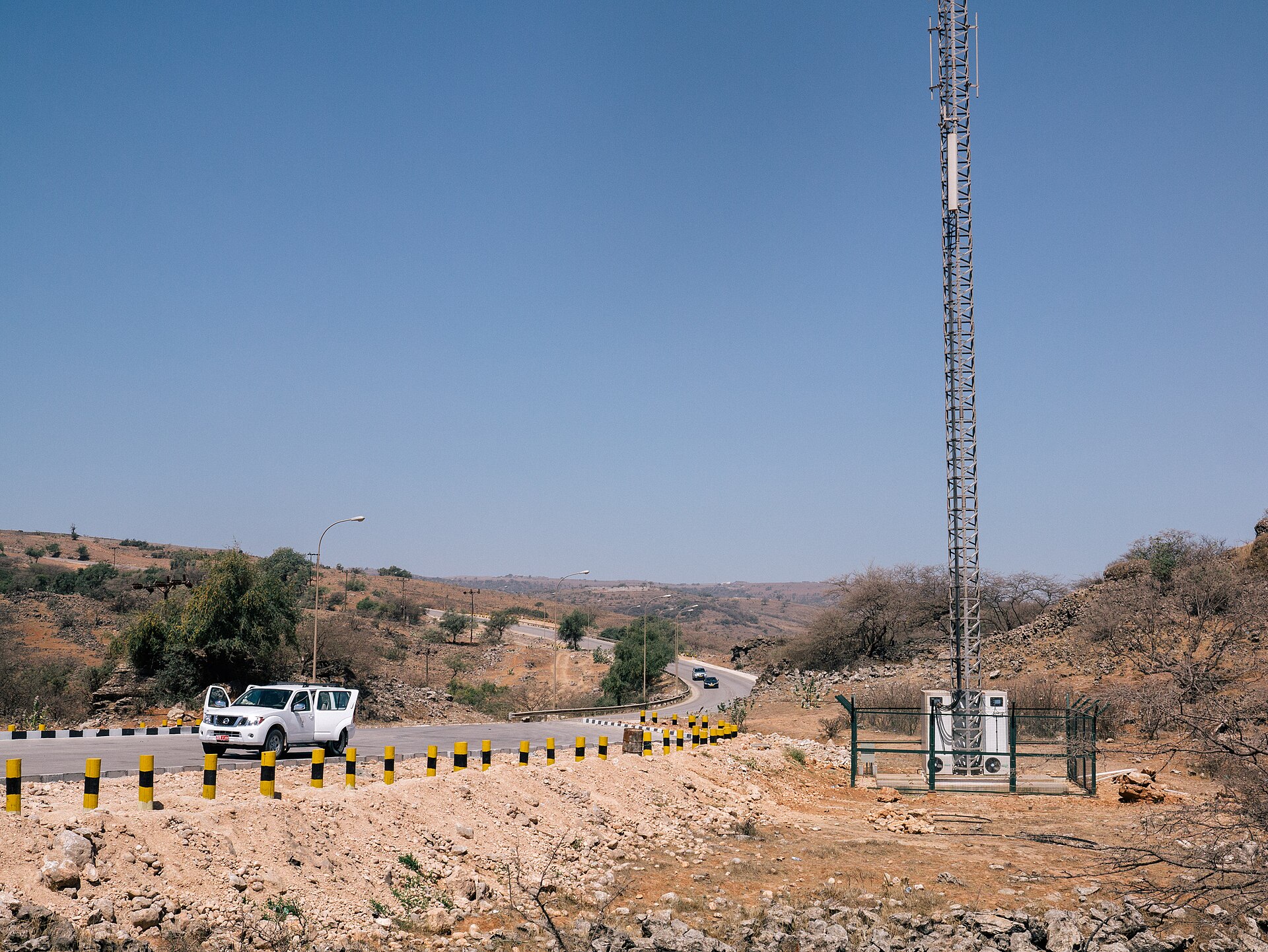
The Dhofar Mountains rise along Oman’s southern coast like a world apart, where the rules of the desert give way to something softer. Stretching parallel to the Arabian Sea, they form a natural barrier between the arid interior and the lush valleys below. Unlike the rest of the country, where heat dominates most of the year, Dhofar enjoys a gentler climate, especially in summer when the monsoon winds sweep in. Known locally as *khareef*, this season transforms the mountains into rolling green hills, dotted with wildflowers and mist. For a few months, the air cools, the earth drinks in the rain, and the landscape awakens in a way that draws visitors from Salalah and beyond, all seeking relief from the usual dryness.
These mountains have long been a crossroads of trade and survival. Centuries before modern borders took shape, Dhofar was part of the ancient Hadramawt kingdom, its ports bustling with caravans carrying frankincense, myrrh, and other prized goods. The rugged terrain provided shelter for settlements and fortresses, while the slopes offered water and fertile soil. Archaeologists have uncovered traces of human life here dating back thousands of years—cave dwellings, rock carvings, and remnants of early agriculture. One of the most striking sites is Wadi Al-Maghsayl, where petroglyphs depict hunting scenes and animals, a silent record of those who once called these mountains home.
The villages clinging to the slopes tell their own story. Built from local stone and clay, the houses rise in tiers, their flat roofs and small windows designed to keep out the heat. Many seem to grow straight from the rock, their narrow alleys winding between buildings that have stood for generations. Places like Al-Hafa and Mirbat feel frozen in time, where banana trees and coconut palms spill over terraced gardens, and the air carries the scent of damp earth and woodsmoke. Some villages still rely on *aflaj*, ancient irrigation channels that have carried water from mountain springs to fields for millennia. These systems, carved into the landscape, are a testament to the ingenuity of those who first settled here.
Beyond their history, the Dhofar Mountains hold an ecosystem found nowhere else in Oman. The monsoon rains bring a burst of life—grasses, wildflowers, and shrubs blanket the slopes, while streams carve paths through the valleys. Locals forage for wild honey, medicinal herbs, and fruits, selling their harvests in Salalah’s markets. The mountains are also a haven for wildlife, from the elusive Arabian leopard to rare birds like the Arabian partridge and desert sparrow. For those who venture off the main roads, the landscape offers quiet trails, hidden waterfalls, and the chance to simply sit on a ridge, listening to the wind and the distant murmur of the sea.
One of the most dramatic features of the range is Jabal Samhan, a vast limestone plateau that juts sharply from the surrounding land. Its sheer cliffs and deep gorges are protected within a national park, home to endangered species and hardy plants adapted to the harsh terrain. The drive up to the plateau is an experience in itself, the road twisting through hairpin turns that reveal sweeping views of the coast and valleys below. At the top, ancient petroglyphs and the ruins of old fortresses hint at the people who once sought refuge here. The silence is profound, broken only by the cry of a bird or the rustle of wind through the rocks.
To understand the rhythm of life in these mountains, a visit to the local markets is essential. In Salalah and the smaller villages, stalls overflow with fresh produce, spices, and handmade crafts. Frankincense, harvested from the resin of local trees, remains one of the region’s most prized exports, its scent lingering in the air like a reminder of Dhofar’s ancient trade connections. The markets are also a place to taste the local cuisine—spiced fish, slow-cooked *shuwa* (meat roasted underground with herbs), and flatbreads fresh from the oven. The flavors are simple but rich, a reflection of the land itself.
The people of Dhofar, whether Bedouin herders or mountain farmers, carry on traditions that have shaped this place for generations. Many still live in the same villages their ancestors built, tending to terraced fields or guiding visitors along forgotten paths. Hospitality is a way of life here—strangers are often invited into homes for coffee and dates, offered a seat on a woven mat while stories of the past are shared. Some families open their doors to travelers, offering a glimpse into daily life that goes beyond the usual tourist experience. It’s a rare chance to see how the old ways endure, even as the world beyond the mountains changes.
The *khareef* season is when Dhofar is at its most vibrant. The rains wash away the dust, filling the wadis with rushing water and turning the hills into a patchwork of green. Waterfalls appear where there was only rock before, and families gather on the slopes for picnics, their laughter mixing with the sound of running streams. The crowds thin out after the monsoon passes, but the mountains don’t lose their appeal. In the dry months, the landscape takes on a different kind of beauty—golden cliffs, crisp air scented with thyme and sage, and a quiet that feels almost sacred. Whether you come in the lushness of summer or the starkness of winter, Dhofar offers a sense of timelessness, a place where the past and present coexist without hurry.