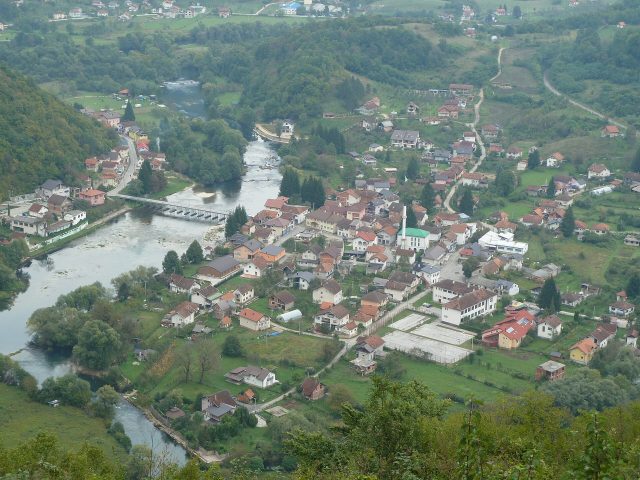
The Bihać City Museum is one of those places where history isn’t just displayed—it lingers in the very walls, in the quiet corners of a building that has witnessed centuries unfold. Housed in a historic structure in the heart of the city, the museum feels less like a repository of artifacts and more like a bridge connecting past and present. Bihać itself is a town with a layered identity, shaped by the gentle currents of the Una River and the turbulent events that have swept through this part of the Balkans. The museum doesn’t just preserve these stories; it lets them breathe.
The building that holds the museum is a piece of history in its own right. Constructed in the late 19th century during the Austro-Hungarian era, it was originally an administrative center, designed with the practical elegance of the time. Thick walls, high ceilings, and large windows allow soft light to filter into the rooms, casting a warm glow over the exhibits. The architecture is unpretentious—functional rather than ornate—reflecting the purpose it was built for. Over the decades, the interior has been adapted for its new role, but traces of its original character remain, giving the space a sense of continuity.
The museum’s collection spans key periods in the region’s history, beginning with ancient times. Archaeological finds reveal life along the Una River long before recorded history, with tools, pottery, and jewelry offering glimpses into the daily existence of people who lived here millennia ago. The Roman era is particularly well-represented, as these lands were once part of the province of Dalmatia. Coins, fragments of mosaics, and funerary steles speak to a time when Bihać was a crossroads of cultures, a place where trade routes intersected and civilizations left their mark.
The medieval period is another focal point, marked by shifting rulers and influences. The town passed from Croatian dukes to Hungarian kings before falling under Ottoman control, each era leaving its imprint on the region. The museum’s exhibits include weapons, documents, and household items that reflect these changes. The Ottoman period, in particular, is vividly represented, with traditional crafts, textiles, and religious artifacts that hint at the deep cultural exchange that took place. Walking through these displays, it’s easy to imagine the layers of history unfolding like pages in a book.
Modern history, however, is where the museum’s narrative takes on its most poignant tone. Bihać endured both World Wars and, more recently, the Bosnian War of the 1990s. The museum doesn’t shy away from these events, but it doesn’t sensationalize them either. Instead, it presents them with a quiet dignity—through photographs, personal accounts, and objects that tell the story of resilience. The exhibits on the defense of Bihać in the early 1990s are particularly moving, not because they glorify conflict, but because they honor the people who lived through it. These aren’t just artifacts; they’re fragments of lives that refused to be erased.
A separate section of the museum is dedicated to ethnography, offering a glimpse into the everyday lives of Bihać’s inhabitants across the centuries. Traditional clothing, tools, and household items recreate the rhythms of rural and urban life, from peasant homes to early workshops. Old photographs, embroidered textiles, and wooden implements bring the past to life in a way that feels intimate and immediate. It’s as if the museum has captured a moment in time, allowing visitors to step into the shoes of those who came before.
Beyond history, the museum also houses an art collection that reflects the cultural life of Bihać. Paintings, drawings, and sculptures by local artists span different eras, with a particular emphasis on works from the early 20th century, when the town experienced a period of artistic flourishing. The pieces are unassuming but evocative, depicting quiet streets, the banks of the Una, and the faces of ordinary people. There’s no grandiosity here—just a deep connection to place and a sense of belonging.
Visiting the Bihać City Museum isn’t about ticking off exhibits or marveling at rare treasures. It’s about listening to the stories of a town that has weathered storms yet retained its soul. The museum doesn’t try to impress with scale or spectacle; its strength lies in its authenticity. It’s a place for those who want to understand not just what happened here, but how the people of Bihać lived, endured, and carried their history forward. In a region where the past is never far from the present, the museum offers a quiet space to reflect on the threads that connect them.