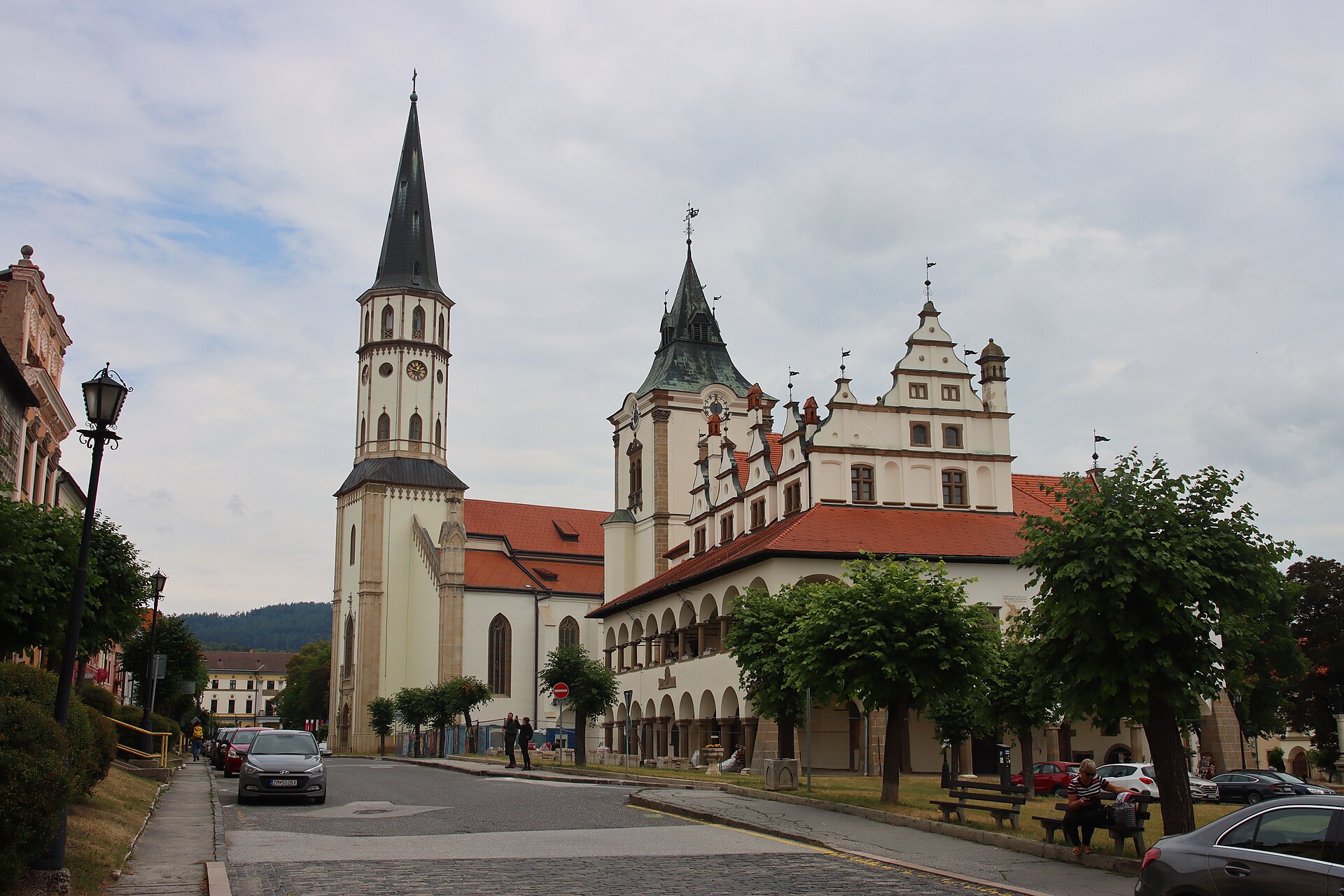
Dobšiná’s main square is where time pauses, letting the past linger in quiet corners. Tucked in the heart of this Slovak town, it feels far from tourist hubs or capital cities. No crowds, no hurried footsteps—just the creak of an old wooden door or the echo of footsteps on cobblestones. The square is framed by buildings with medieval stone foundations, Baroque and neoclassical additions, each layer telling the town’s story.
The square is small, barely stretching a few dozen meters across. That’s what makes it feel close. No towering monuments—just two- and three-story houses with steep tiled roofs, weathered by time. Some facades have faded frescoes or delicate stucco; most are simple, whitewashed walls with wooden shutters or wrought-iron balconies. They’ve adapted to generations without losing their character.
Dobšiná’s history is tied to mining. The square was once the heart of a community built around it. In the Middle Ages, iron ore was extracted here, later copper and silver. The town grew around the mines, and the square became a gathering place for miners, traders, and artisans. Markets sold tools and handmade goods from local blacksmiths, potters, and weavers. Today, little remains beyond street names and old maps, but wide gates to inner courtyards and sturdy stone thresholds still hint at the past.
The town hall stands at the center, modest with its small tower. It’s not grand, but it feels solid, mirroring the town itself. Nearby, a simple fountain offers a place to rest. Its clear water draws locals on warm days. The fountain is just a stone basin with a thin stream, but legends say it once had healing properties. Now, it’s a quiet spot to sit.
The Church of St. Francis Xavier is the tallest building on the square. Built in the 18th century, it’s late Baroque, restrained in design. The facade has pilasters and a modest pediment; inside, high vaulted ceilings and dark wooden pews create timelessness. The bell tower’s chimes mark daily life. On Sundays, the square fills with hymns and incense as parishioners gather for mass.
A small park surrounds the church, shaded by linden and chestnut trees. In summer, their canopies offer relief from the sun. In autumn, golden leaves carpet the ground. Locals use it—elderly men play chess at wooden tables, children dart between trees, families relax. It’s not grand, but it’s essential, a place to meet and be.
Dobšiná doesn’t try to impress. Its square isn’t a museum but a living part of the community. Mornings bring vendors selling fresh bread, vegetables, and homemade cheese. By midday, schoolchildren hurry past; retirees stroll with their dogs. Evenings are quiet, the square lit by streetlamps, cobblestones smooth underfoot.
On weekdays, the town feels sleepy. It moves at its own pace. The square isn’t a stage for grand events, though once a year it hosts a folk music and crafts festival. For a few days, stages go up, lights are strung, and music fills the air. When it ends, the square returns to quiet.
If you’re used to big cities, Dobšiná might seem understated. That’s the appeal. Buildings have stood for generations; every stone holds a memory. The air smells of grass and old wood. It’s not for those seeking excitement, but for those who want a slower way of life—where history isn’t just preserved but lived, day by day.