Henichesk Sea Port
Henichesk Sea Port doesn’t reveal itself at first glance. When it does, it leaves a quiet sense of connection to something real. Along the northern edge of the Henichesk Strait, where the Sea of Azov meets the shore, it’s different from tourist hubs. There’s no fanfare—just the steady rhythm of work, salt-tinged air, and the sea, as much a part of daily life as the town’s streets.
The port’s history is part of Henichesk and the Azov region. Its origins go back to the early 19th century, when these lands were part of the Taurida Governorate. Small sailing ships docked here, carrying grain, salt, and fish. The arrival of steamships and a railway in the late 1800s turned the port into a link between Crimea and the mainland. By the Soviet era, it served as a transit point for goods bound for the Donbas and the Azov coast.
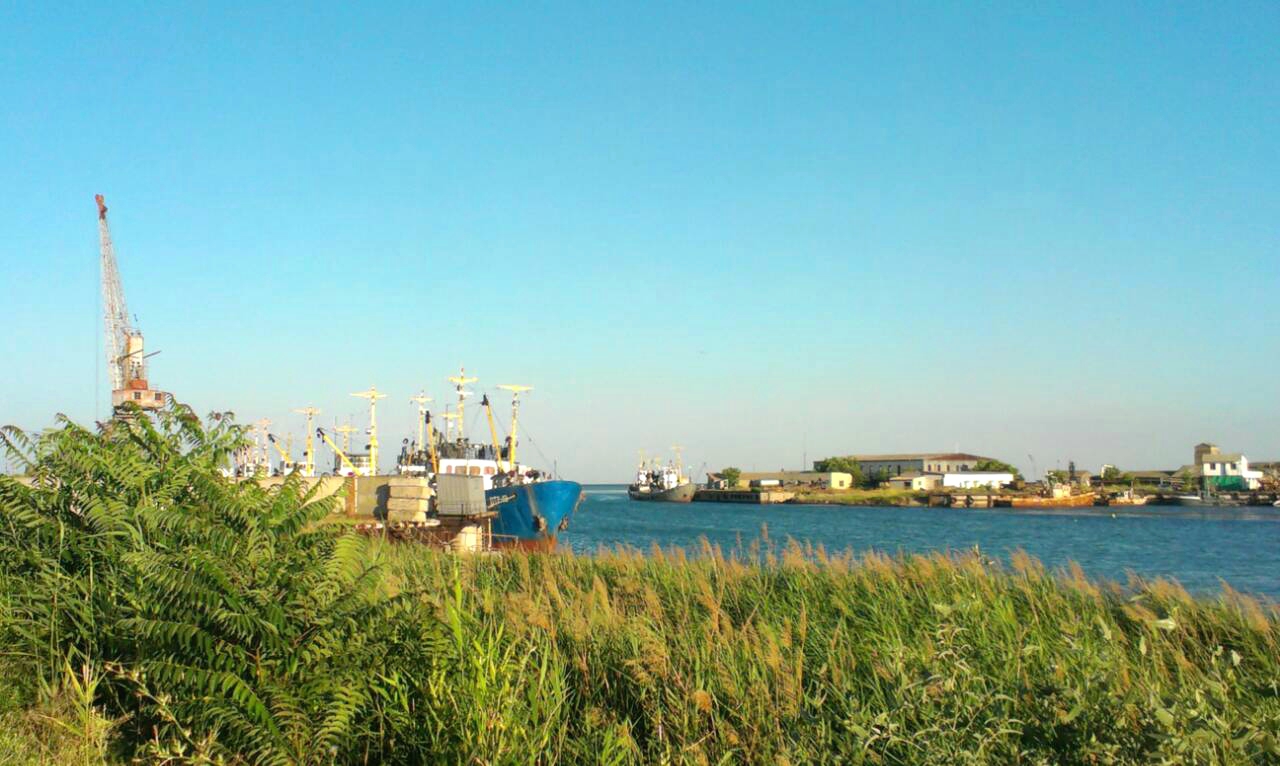
The port’s architecture isn’t grand. Low-lying piers stretch along the shore, flanked by red-brick warehouses and rusted cranes. Administrative buildings are unassuming, built for function. Some structures date back to before the war; others were added later. All share the same practicality. This isn’t a place designed to impress—it’s where work gets done.
Today, the port is a working harbor. Ships unload coal, metal, construction materials, and agricultural products. Fishing boats share the water with cargo vessels. Old machinery works alongside modern equipment. The port isn’t closed to visitors, but it doesn’t welcome them. If you want to experience it, show up and watch—the comings and goings of ships, the loading of goods, the way the sea shapes the day.
The Sea of Azov here isn’t like resort waters. It’s shallow, prone to storms. In winter, the port can freeze, requiring icebreakers. In summer, the water warms, but beaches are modest. Yet sunsets over the strait can be striking—low light spilling across the water, ships adding scale and history.
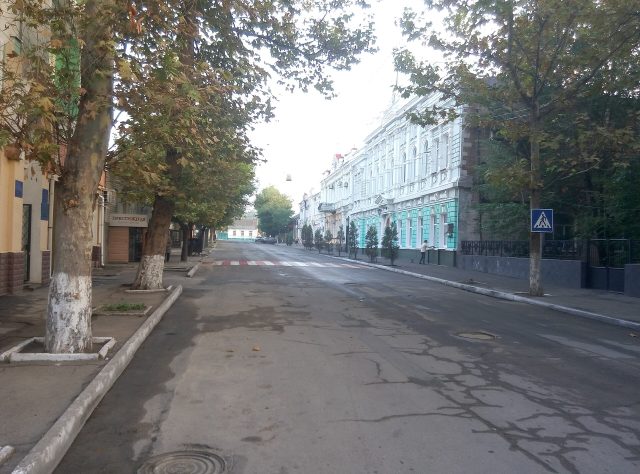
For the people of Henichesk, the port is part of their identity. Generations have worked on ships, fished, or labored on the docks. There’s respect for hard work and tradition. The town has a small museum of maritime history, with old photographs, ship models, and stories of vessels that sailed these waters.
This isn’t a place for tourist crowds. No guided tours, no souvenir stands. What you’ll find is the reality of a port town—sailors preparing vessels, dockworkers hauling grain, gulls overhead. It feels like stepping into a living postcard, where past and present coexist.
Henichesk faces challenges—competition from larger harbors, shifts in trade. But it endures because the sea remains, and so do the people who depend on it. For travelers who come for authenticity, the port is memorable. Sometimes, the simplest things leave the deepest impression: waves against the pier, gulls, the quiet understanding that some places don’t need grandeur to matter.