The Arabat Spit, also known as the Henichesk Spit, is one of those rare places where the land seems to stretch out just to meet the sea, as if nature itself paused to draw a perfect line between water and earth. Running nearly 120 kilometers along the Azov Sea, this narrow strip of land begins near the quiet town of Henichesk and curves southward, separating the shallow waters of the Sivash Bay from the open sea. It’s a place where geography feels almost intentional, as if the currents and winds conspired over millennia to shape something both fragile and enduring.
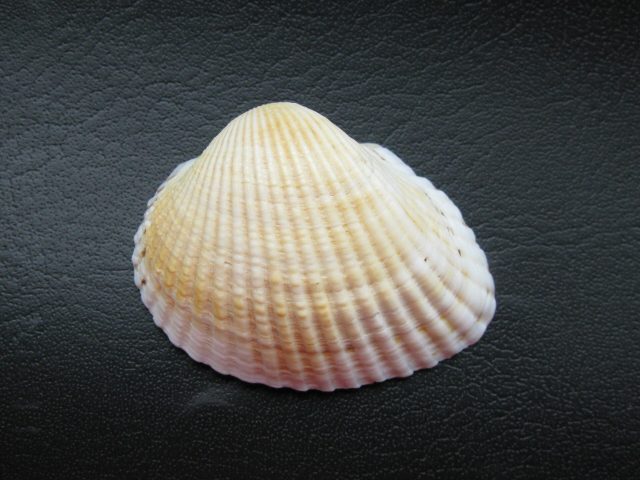
The spit formed naturally, built up by sand and crushed shells carried by the sea, layer by layer, until it became a slender bridge between the mainland and the Crimean Peninsula. For centuries, it stood as a silent witness to the ebb and flow of history—trade routes passed nearby, nomadic tribes moved along its shores, and empires rose and fell without leaving much trace. Unlike more famous coastal destinations, the Arabat Spit never became a crossroads of civilizations. Instead, it remained a quiet bystander, its sands absorbing the footsteps of fishermen, soldiers, and travelers who passed through but rarely stayed.
What makes the spit unusual is how it divides two entirely different worlds. On one side lies the Azov Sea, warm and shallow, its waters so calm they barely ripple under the summer sun. On the other is the Sivash, a vast, salty lagoon often called the Rotten Sea in older maps. The name isn’t flattering, but it captures something true—the way the water here seems thick with salt and life, the air heavy with the scent of brine and seaweed. The Sivash is known for its therapeutic mud, which locals have used for generations, though today it’s more of a curiosity than a draw for visitors. Still, the contrast between the two bodies of water is striking, as if the spit itself is a seam stitching together two halves of a landscape that don’t quite match.
There are no grand monuments here, no ancient ruins or ornate churches to mark the passage of time. The spit’s history is written in smaller things—the weathered fishing huts near Henichesk, the rusted remnants of wartime fortifications half-buried in the sand, the occasional abandoned pier jutting into the water. The only road runs the length of the spit, a thin ribbon of asphalt that connects a handful of tiny settlements where life moves at its own unhurried pace. In some places, the land narrows so much that you can stand on the road and see both seas at once, the Azov’s gentle waves lapping at one shore while the Sivash’s still waters stretch out on the other.
Most people who come here aren’t looking for entertainment. There are no resorts, no crowded beaches, no souvenir stalls or beachfront cafes. Instead, the spit offers something quieter—space, silence, and the kind of solitude that’s hard to find elsewhere. In summer, the sea warms quickly, its waters almost fresh near the shore, diluted by the Sivash’s saltier currents. The beaches are wide and empty, the sand soft underfoot, and the only sounds are the cry of gulls and the occasional splash of a fish breaking the surface. Some visitors rent bicycles and ride the length of the spit, stopping wherever they please to swim, nap in the sun, or watch the light change over the water.
The spit is also a haven for birds. In spring and autumn, thousands of migratory species pause here on their long journeys, filling the air with calls and the rustle of wings. The shallow waters and marshy edges of the Sivash provide ideal nesting grounds, and the spit’s isolation makes it a refuge for species that have disappeared from more developed areas. Birdwatchers come from across the region to spot rare herons, pelicans, and even flamingos, though the latter are a fleeting sight, appearing and vanishing like a mirage.
Winter transforms the spit into a different kind of place. The sea freezes, its surface turning to a sheet of ice that cracks and groans under the wind. Snow drifts across the empty beaches, and the few remaining fishermen drill holes in the ice, their figures small against the vastness of the landscape. The wind howls down the length of the spit, unobstructed by trees or buildings, and the only signs of life are the tracks of foxes or the distant silhouette of a ship on the horizon. It’s a stark, beautiful scene, one that feels far removed from the rest of the world.
There’s a sense here that time moves differently. The days stretch out, unhurried, and the only schedule is the one set by the sun and the tides. In the evenings, the sky turns gold and pink, the colors reflecting off the water until it’s hard to tell where the sea ends and the sky begins. The few locals who live along the spit are used to the quiet, to the way the land seems to breathe in and out with the seasons. For visitors, it’s a place to step away from the noise of modern life, to sit on the shore and watch the waves roll in, one after another, as they have for thousands of years.
The Arabat Spit isn’t for everyone. There are no luxury hotels, no fine dining, no guided tours or curated experiences. What it offers instead is something simpler and, in its own way, more precious—the chance to be alone with the elements. The air here is clean, the horizons wide, and the sense of space almost overwhelming. It’s the kind of place that lingers in the memory long after you’ve left, not because of anything you did or saw, but because of how it made you feel: small, in the best possible way, and perfectly at peace.