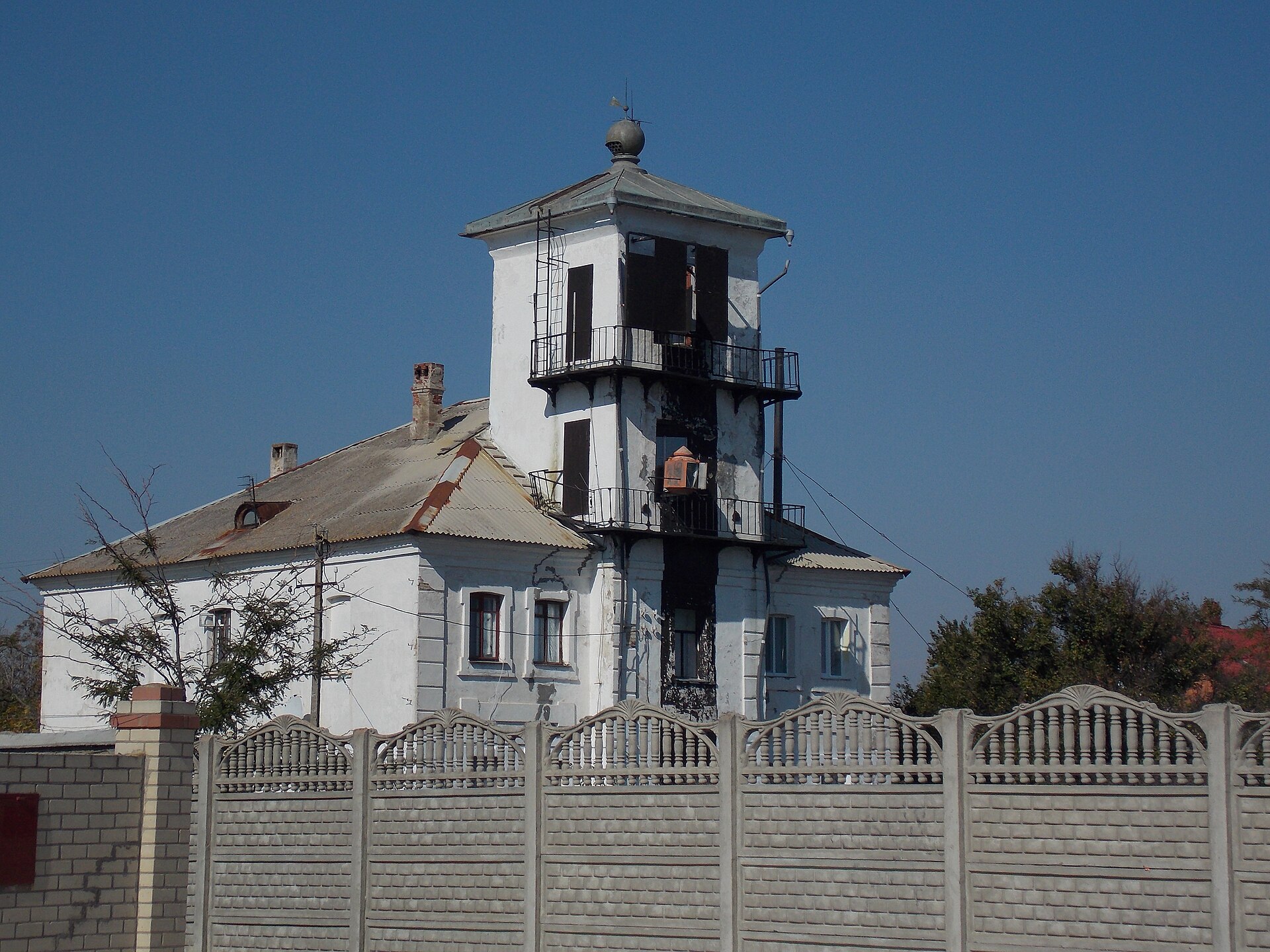
The Genichesk Lighthouse stands where the steppe meets the sea, a quiet sentinel at the edge of the Azov. Its modest white tower, topped with a red lantern, rises unassumingly against the horizon, visible long before you reach it. Though it hasn’t stood here for centuries like some of its counterparts along the coast, its presence feels timeless. Built in the mid-20th century, it may lack the age of older beacons, but its role in this corner of the world is no less significant. More than just a navigational aid, it’s a marker of history in a place where land and water have shaped life for generations.
The location wasn’t chosen by chance. The Genichesk Strait, linking the Azov Sea with the shallow Sivash Bay, has always been treacherous for ships. Strong currents, low shorelines, and thick fogs made navigation difficult, especially as trade across the Azov grew in the 19th century. The first lighthouse here was erected in 1874, but little remains of it now. The current structure came later, when the need for something sturdier became clear. It was built to last, to guide vessels through waters that had claimed many before.
There’s nothing ornate about the lighthouse. It wasn’t designed to impress, but to function. The tower is low—barely twenty meters tall—but that’s enough to cast its light several nautical miles into the darkness. Inside, a spiral staircase winds upward to the lantern room, where kerosene lamps once burned before giving way to modern equipment. The walls are thick, built to withstand storms and the relentless salt winds that scour this coast. It’s a working structure, plain and purposeful, without the grandeur of some maritime landmarks.
This isn’t the kind of place that draws crowds. There are no guided tours, no souvenir stalls, no cafes with ocean views. But those who make the effort to come here often leave with something more than just a photograph. The surroundings are stark: empty beaches, salt flats, the occasional tamarisk bush clinging to the sand. The sea here isn’t the deep blue of the Black Sea, but a muted greenish-gray, its waves gentle and unhurried. On calm days, the only sounds are the lapping of water against the shore and the wind carrying the scent of salt and seaweed.
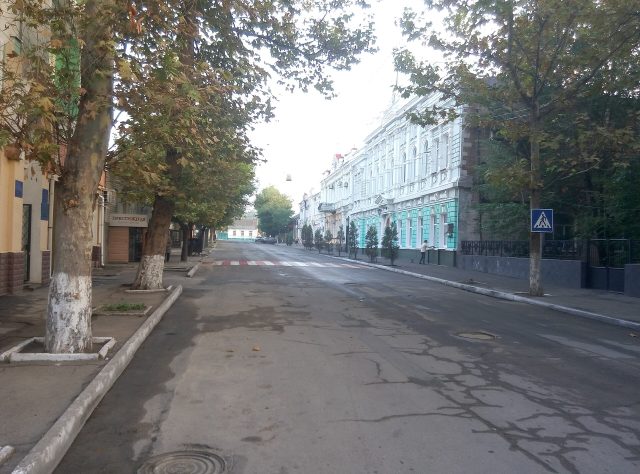
For the people of Genichesk, the lighthouse is more than just a navigational tool—it’s a symbol. It reminds them that their town, though small and unassuming, has always been tied to the sea. Fishermen returning from their boats see its light long before they reach harbor, a reassuring sign that home is near. During the Soviet era, it was part of a vast network of beacons guiding ships along the Azov coast. Today, it still serves its purpose, though the waters aren’t as busy as they once were.
The lighthouse’s story is woven into the fabric of Genichesk itself. The town began as a small settlement near a crossing over the strait, growing over time into a modest port. Over the years, it has seen merchants, soldiers, and fishermen pass through, each leaving their mark. The lighthouse has witnessed it all: the boom of trade in the late 1800s, the upheavals of war and revolution, and the industrial push of the Soviet years. It was destroyed during World War II but rebuilt afterward, standing once again as a quiet witness to change.
What makes this place special is its stillness. There’s no hustle, no noise, no sense of being just another stop on a tourist route. It’s just the sea, the wind, and the lighthouse, standing alone at the water’s edge. In summer, locals sometimes come to fish or spend a quiet day on the beach. In winter, the shore empties, and the lighthouse seems even more solitary, its light cutting through the cold air. It’s not a place for those seeking excitement, but for those who want to step away from the world for a while.
The Genichesk Lighthouse isn’t just a structure—it’s a piece of living history. It has survived wars, shifting borders, and the passage of time, yet it still serves its purpose. Its light continues to guide ships, while its presence reminds visitors that even in the most unassuming places, there’s a quiet magic. There’s nothing here but the sea, the sky, and the steady glow of a beacon that has burned for over a century. And perhaps that’s enough.