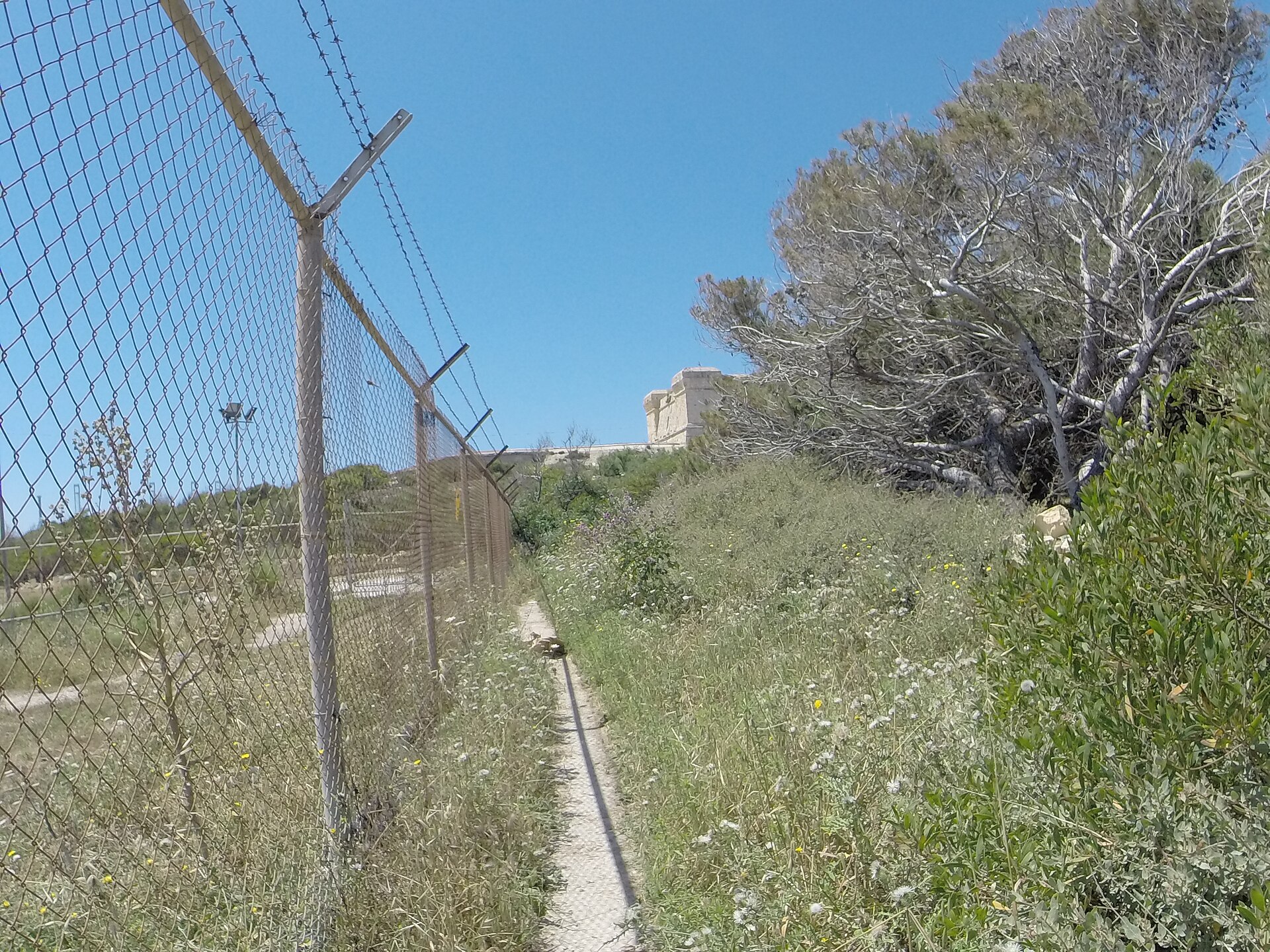
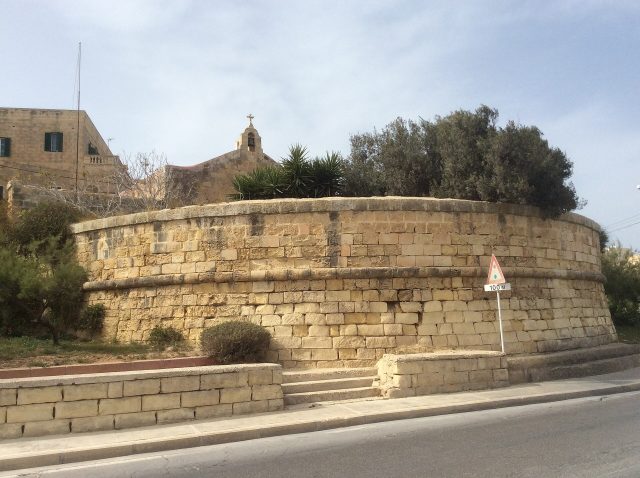
Perched on a rocky headland along Malta’s southern coast, Fort Saint Lucian feels like a place time forgot. Unlike the island’s more famous landmarks, it doesn’t draw crowds or offer polished tourist experiences. There are no souvenir stalls, no guided tours, just the wind, the sea, and the weathered stone walls that have stood here for centuries. It’s a quiet corner of Malta where history lingers in the salt air and the silence between waves.
Built in the late 17th century under the orders of Grand Master Ramon Perellos y Roccaful, the fort was part of the Knights of Malta’s efforts to strengthen the island’s defenses. The Order had good reason to be vigilant—Ottoman raids and pirate attacks were constant threats, and Malta’s coastline was dotted with watchtowers and batteries to guard against them. Saint Lucian was strategically placed to oversee the approaches to Marsaxlokk Bay, a vital harbor for trade and supply ships. Its guns could command the waters, deterring invaders before they ever reached shore.
The fort’s design is unmistakably military, all thick limestone walls and angular bastions. From above, it forms an irregular pentagon, its shape dictated by the contours of the headland rather than any aesthetic ideal. Inside, the casemates where cannons once stood are still visible, along with the barracks that housed the garrison. The central courtyard offers a clear view of the sea, a reminder that this was a place built for vigilance, not comfort. Compared to the grand fortifications of Valletta or the ornate palaces of Mdina, Saint Lucian is stark and functional. There’s no elaborate carving or decorative flourish—just stone and purpose.
By the 19th century, the fort’s role had changed. When the British took control of Malta, they repurposed it as a storage depot and lookout post, adding new gun platforms to adapt to more modern warfare. But by the early 1900s, even these upgrades couldn’t keep pace with military advancements. After World War II, the fort was abandoned, left to the mercy of the elements. The salt-laden winds and relentless sun did their work, eroding the stone and rusting the iron fittings. Only in recent decades has there been any effort to preserve what remains, though access to the interior is still restricted.
Today, Fort Saint Lucian exudes a sense of quiet decay. The walls are streaked with lichen, and the hinges of the old gates creak in the breeze. The surrounding cliffs are wild and untamed, covered in low scrub and the occasional hardy wildflower. Below, the Mediterranean crashes against the rocks, its waves a constant rhythm against the silence. Few tourists make the journey here—most who visit are locals out for a walk or fishermen casting their lines from the nearby rocks. The isolation only adds to the fort’s mystique, as if it’s holding its breath, waiting for something that will never come.
For those who seek out places where history feels tangible, Saint Lucian offers a rare glimpse into Malta’s past. There are no museum displays or interpretive signs, just the fort itself, standing as a silent witness to centuries of conflict and change. The stones bear the marks of time—cracks, erosion, the faint outlines of repairs long since undone. It’s easy to imagine the soldiers who once stood here, scanning the horizon for sails that might bring danger. Malta has always been a crossroads, a place where empires clashed and cultures collided, and forts like this one were the island’s first line of defense.
The best time to visit is at sunset, when the light softens and the sea turns gold. The shadows stretch long across the courtyard, and the fort’s rough edges seem to melt into the landscape. For a moment, it’s possible to forget the modern world and picture the scene as it once was—the crack of cannon fire, the shouts of men, the acrid smell of gunpowder. Now, all that remains is the wind and the waves, the cry of gulls overhead, and the quiet persistence of stone.
Saint Lucian won’t be the highlight of most trips to Malta, but for those who appreciate places where the past feels alive, it’s a rewarding detour. It’s not just a relic; it’s a fragment of history that refuses to be forgotten. The fort doesn’t give up its secrets easily, and perhaps that’s why it lingers in the memory. Here, more than anywhere else, you can sense the weight of centuries—the lives lived, the battles fought, the quiet resilience of a place that has seen it all.