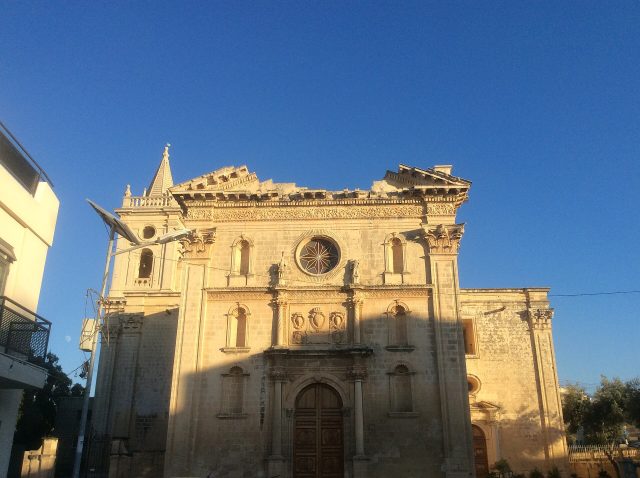
Mġarr Farmers’ Market is one of those quiet corners of Malta where time moves at its own unhurried pace. Tucked away in the island’s rural west, far from the tourist crowds of Valletta or Sliema, this small town feels like a world apart. On Sundays, the square in front of the old Church of St Leonard transforms into a lively but unassuming market, where the air is filled with the scent of fresh herbs, spices, and homemade cheese mingling with the faint saltiness of the sea breeze. For the locals, this isn’t just a place to shop—it’s a part of daily life, a tradition that has endured for generations.
The market’s roots run deep into Malta’s agricultural past. Not so long ago, Mġarr was at the heart of the island’s farming culture, with terraced hillsides yielding grapes, olives, and vegetables. While modern Malta has shifted away from its agrarian identity, traces of that history remain. Many of the farmers here are descendants of families who have worked these lands for centuries, and their produce carries that legacy. You’ll find olive oil pressed the old-fashioned way, fresh ġbejna cheese made from sheep or goat’s milk, and wine from local grape varieties like Girgentina. These aren’t just goods—they’re pieces of a story that stretches back through time.
The setting itself is steeped in history. The market unfolds against a backdrop of traditional Maltese houses, their thick stone facades and brightly painted wooden balconies a testament to the island’s architectural heritage. The Church of St Leonard, built in the 17th century, stands as a quiet landmark, its simple yet striking Baroque design anchoring the square. Around it, small cafés and eateries offer a chance to pause, sip a strong Maltese coffee, or try pastizzi—flaky pastries filled with ricotta or peas. The whole scene feels like a snapshot of Malta as it once was, before mass tourism reshaped the island.
What makes this market different from the bustling supermarkets or tourist-driven bazaars is its atmosphere. There’s no hard sell here, no vendors shouting over each other. Instead, each stall tells its own story. A farmer might explain how his family has been pressing olives the same way for decades, or a fisherman could point out the best time of day to catch sea bass. These conversations turn a simple shopping trip into something deeper—a glimpse into the rhythms of rural Maltese life. The market isn’t just about buying; it’s about connecting.
The produce here is as fresh as it gets, grown or made without the shortcuts of industrial farming. In summer, stalls overflow with watermelons, melons, and peaches, while autumn brings pomegranates, figs, and pumpkins. Winter offers citrus fruits, which ripen earlier in Malta’s mild climate than in other Mediterranean countries. Cheese is a particular highlight—beyond the ubiquitous ġbejna, you’ll find ricotta and pecorino, staples of Maltese cooking. Some vendors sell honey harvested from wild herbs growing on the island’s rocky slopes, or olives marinated with lemon and garlic. Everything feels seasonal, honest, and deeply tied to the land.
In recent years, the market has started to attract visitors looking for an authentic experience, but it hasn’t lost its soul. Unlike places that cater exclusively to tourists, Mġarr’s market remains firmly rooted in the community. The people behind the stalls are still farmers, fishermen, and artisans, not souvenir sellers. Even those who travel from other parts of the island come for the quality of the goods, not the novelty. There’s a sense that this is still a place for locals first, and that’s what makes it special.
For anyone curious about Maltese culture, the market is a perfect starting point. It’s not just about what you can buy—it’s about observing the way people interact, the easy banter, the way news is shared over a cup of coffee. On a Sunday morning, the square hums with the sounds of Maltese, laughter, and the clink of coins. Sometimes, someone might strum a guitar or sing a folk song, adding to the sense of a community that’s very much alive. It’s a reminder that, beneath the gloss of tourism, Malta still has a heartbeat of its own.
If you find yourself on the island and want to see a side of Malta that most visitors miss, make your way to Mġarr. The market is open on Sundays, and it’s best to arrive early, before the heat sets in and the best produce is snapped up. There are no crowds, no pressure—just a quiet town, friendly faces, and the chance to experience something real. It’s not the Malta of postcards or guidebooks, but the one that locals know and love.