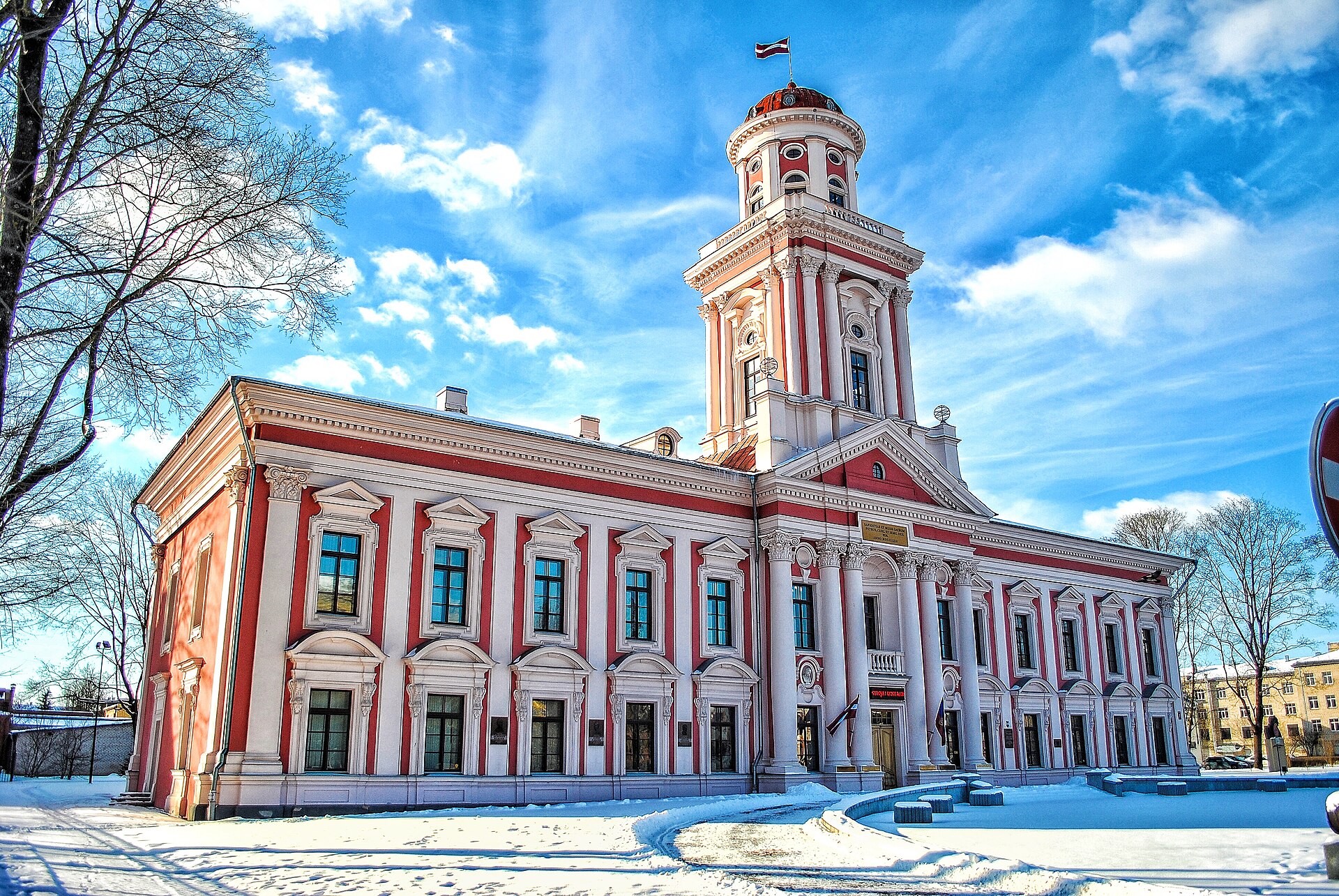
Jelgava Museum of History and Art is one of those quiet places where the past feels almost tangible. Housed in a historic mansion on one of the city’s central streets, it preserves more than just artifacts—it holds the memories of those who lived, created, and shaped the region’s story. The building itself is part of the experience, its walls bearing witness to centuries of change, from the era of dukes to the turbulent events of the 20th century. Unlike grand metropolitan museums, this one feels intimate, where each exhibit seems to speak for itself without the need for grand explanations.
The museum was founded in the early 1900s by local enthusiasts determined to safeguard the heritage of the Courland region. Initially, its collections were scattered across different locations, but over time, they found a permanent home in this mansion, once owned by one of Jelgava’s prominent families. The architecture blends neoclassical and Art Nouveau elements, a mix typical of the era. High ceilings, intricate moldings, and original doors and windows create an atmosphere that makes it easy to imagine the building as it once was—a setting for elegant gatherings or quiet family evenings.
The core of the museum’s collection focuses on Jelgava and its surroundings. Archaeological finds reveal traces of ancient settlements along the Lielupe River, while documents and photographs capture the city’s evolution through different periods. A significant portion is dedicated to the Duchy of Courland and Semigallia, one of the most unusual political entities in Baltic history. Maps, coins, household items, and weapons paint a vivid picture of life when Jelgava was the capital of this small but influential duchy.
A separate section is devoted to art, featuring works by local painters and artists connected to Latvia. The collection isn’t exhaustive, but it offers a glimpse into the region’s artistic development. Paintings, prints, and sculptures include both well-known names and lesser-known talents whose work deserves recognition. The early 20th century is particularly well-represented, a time when Latvian art was undergoing rapid transformation, and local artists were deeply engaged in these changes.
Beyond its permanent exhibits, the museum is a lively cultural space. Temporary exhibitions, lectures, and workshops explore themes in history, art, and contemporary issues. Occasionally, it hosts concerts or literary evenings, turning the museum into a gathering place for discussion and creativity. There’s even a small café where visitors can linger, making it more than just a place to observe—it’s a space to engage.
For those curious about Jelgava’s past, the museum serves as a starting point for deeper exploration. It touches on key moments in the city’s history—the Swedish rule, the Russian Empire era, and the vibrant 1920s, when Jelgava was a cultural hub. The exhibits don’t attempt to cover everything but provide enough context to understand how the city has evolved over centuries.
The museum also bridges past and present, with temporary exhibitions often addressing modern concerns like urban development, ecology, and social change. This approach makes it more than just a repository of artifacts—it’s a place where history informs the present, helping visitors see connections between then and now.
A visit here isn’t about rushing through halls packed with tourists. Instead, it’s an opportunity to take your time, examine details, and perhaps discover something unexpected. The museum doesn’t aim for grandeur, and that’s its charm. It’s modest yet genuine, much like Jelgava itself—a place where history feels personal and alive.