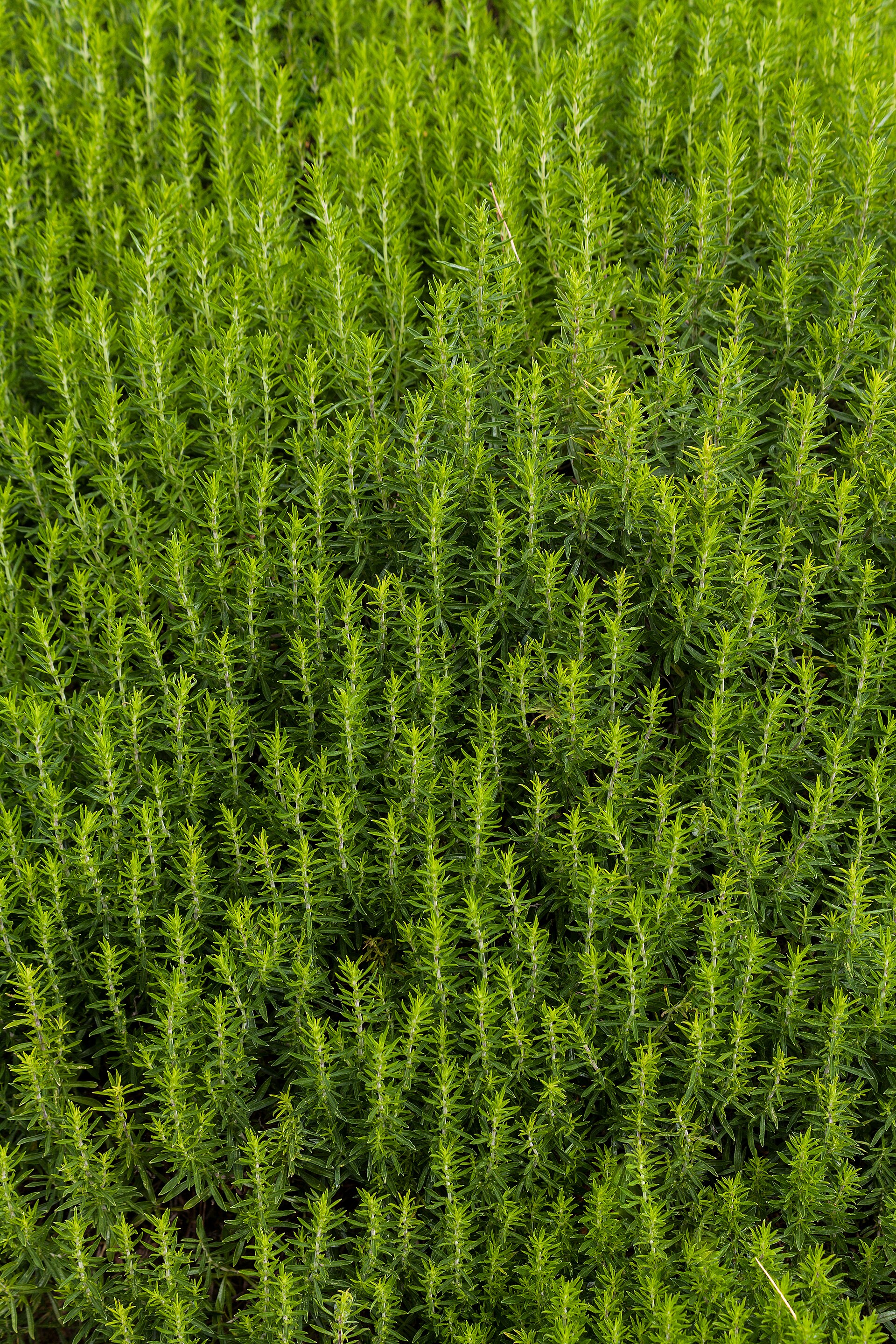
Edinburgh’s Royal Botanic Garden is one of those rare places where the quiet persistence of nature feels as deliberate as the science that studies it. Spread across more than seventy acres on the northern edge of the city, it’s a space where every path, every bed of flowers, and every towering glasshouse serves a purpose beyond mere beauty. Founded in the seventeenth century as a medicinal garden for the university, its original mission hasn’t faded—it remains a place of discovery, conservation, and education, where visitors can trace the story of the planet’s flora across centuries.
The architecture here tells its own story. The grand stone gates at the main entrance lead to a world of Victorian glasshouses, their iron frameworks and soaring ceilings a testament to an era when botany was both a science and a symbol of human ambition. The most famous of these is the Palm House, built in the nineteenth century, where the air is thick with warmth and the light filters through the glass like sunlight through a forest canopy. Inside, towering palms and delicate orchids thrive in conditions that feel worlds away from Scotland’s usual climate. It’s easy to forget you’re still in Edinburgh when surrounded by such lush, tropical growth.
Beyond the glasshouses, the garden unfolds in layers of carefully curated landscapes. There are manicured flowerbeds bursting with seasonal blooms, but also wilder corners where plants grow untamed, as if left to their own devices. One of the most striking areas is the Chinese Garden, a collaboration with botanists from China, where narrow bridges arch over ponds filled with carp, and stone lanterns cast soft shadows on bamboo groves. Nearby, the Rock Garden offers a different kind of beauty—tiny alpine plants clinging to rocky outcrops, their resilience as impressive as their delicate flowers.
The garden changes with the seasons, each one offering something new. In summer, the air is sweet with the scent of roses from the rose garden, where hundreds of varieties bloom in a riot of color. Lavender and sage add their own fragrances to the mix, while open meadows invite visitors to slow down and take it all in. Autumn transforms the landscape into a palette of gold and copper, with maples and oaks shedding their leaves in a slow, rustling dance. Even winter has its own quiet magic—bare branches dusted with frost, the hush of snow on the ground, and the glasshouses standing as green refuges against the cold.
For many locals, the garden is more than just a place to admire plants. It’s where families come for picnics, where children run along the paths, and where people sit on benches with books, losing track of time. In the warmer months, outdoor concerts fill the air with music, while winter brings festive markets and the scent of mulled wine. The café near the entrance is a perfect spot to pause, with views of the flowerbeds and a slice of homemade cake to go with your tea. The garden doesn’t demand attention—it simply offers itself, and everyone finds their own way to connect with it.
Behind the scenes, the garden is a hub of scientific activity. It houses one of the world’s largest living collections of plants, many of them endangered. Researchers study their properties, develop conservation methods, and even explore potential medicinal uses. Visitors can join guided tours or lectures to learn about the role plants play in our lives—where spices come from, why certain species are disappearing, and how even the smallest leaf can hold secrets. Workshops on everything from orchid care to miniature gardening are especially popular, offering hands-on ways to engage with the natural world.
What makes the garden truly special, though, is the people who tend to it. The staff here are passionate, often spending hours explaining the intricacies of a single plant, while volunteers work tirelessly to preserve rare species. Many visitors return again and again, not just to see the flowers in bloom, but to witness the subtle shifts of the seasons. There’s no rush here, no need to hurry—just the quiet rhythm of nature, the scent of earth, and the sense that this place has endured long before us and will continue long after.
If you find yourself in Edinburgh, it’s worth stepping away from the usual tourist paths—the castle, the Royal Mile—and making time for the botanic garden. You might not remember the names of all the plants, but you’ll remember the feeling of stillness that settles over you here. It’s a place where the city’s noise fades into the background, where the air feels cleaner, and where the simplest things—a petal’s curve, a leaf’s shape, the whisper of wind through branches—can remind you of the quiet beauty that surrounds us every day.