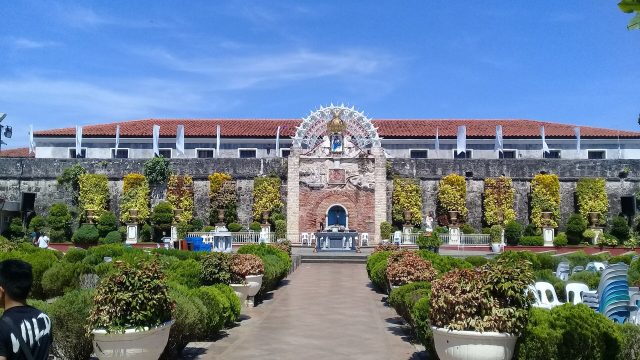
The Sultan’s Palace in Jolo is one of those rare places where history isn’t confined to glass display cases or guided tours—it lingers in the air, in the worn wooden beams, in the quiet courtyards where the past still feels alive. This isn’t just a building; it’s a living testament to a tradition that has endured colonial wars, shifting powers, and even deliberate attempts to erase it. Though the Sultanate of Sulu no longer holds the political influence it once did, the palace remains the official residence of the sultan’s family, a place where state ceremonies are still held and where the walls remember a time when rulers governed territories stretching from Mindanao to Borneo.
The architecture reflects the layered history of the region, blending Moorish influences with local craftsmanship. There’s nothing grandiose about the palace—its charm lies in its proportions, in the delicate carvings on the shutters, the wooden balconies, and the inner courtyards where fountains once murmured. Over the years, fires, earthquakes, and conflict have left their marks, but each restoration has preserved the essence of the original structure. It’s easy to imagine how the sultans of the 19th century lived here, surrounded by the same courtyards and corridors that visitors walk through today.
The story of the Sultanate of Sulu is a dramatic chapter in Philippine history. When Spanish colonizers arrived in the 16th century, the sultanate was one of the few independent states that resisted their rule. For centuries, its leaders controlled lucrative trade routes between Southeast Asia and China, profiting from pearl diving and maritime commerce. By the 19th century, the sultanate’s power had waned, but it remained a key player in the region. The palace in Jolo witnessed the final years of Sulu’s independence, culminating in 1899 when Sultan Jamalul Kiram II signed a treaty with the United States, placing the sultanate under American protection.
Today, the palace serves as both a residence and a repository of memory. Its halls display portraits of past sultans, antique weapons, household items, and documents that offer glimpses into the sultanate’s past. Time and the tropical climate have taken their toll—some artifacts are faded, some woodwork is worn—but what remains is enough to evoke the world of Sulu’s rulers. The palace comes alive during traditional festivals, when the sultan’s family hosts ceremonies accompanied by ancient music and dances passed down through generations.
Jolo itself is a town steeped in history. Located on Jolo Island in the Sulu Archipelago, it was once the political and cultural heart of the region. The island’s identity is shaped by the Tausug, Samal, and Badjao peoples, as well as descendants of Arab and Malay settlers. Old mosques, bustling markets filled with spices and seafood, and traditional houses hint at Jolo’s past as a thriving trade hub. The sultan’s palace is just one piece of this mosaic, but it’s the one that best captures the spirit of the place.
Visiting the palace isn’t like touring a typical museum. There are no rigid itineraries or explanatory plaques. Instead, guests are often welcomed by members of the sultan’s family or locals who share stories about the palace and its history. Sometimes, you might witness a reception or a religious ceremony, a reminder that this isn’t a static monument but a living space. Not all areas are open to the public—some rooms are reserved for family or honored guests—but even the accessible parts leave a lasting impression.
It’s worth noting that the Sulu region hasn’t always been an easy place for travelers. For years, conflicts between government forces and local groups created an unstable environment. In recent times, however, the situation has improved, and Jolo is gradually becoming more accessible. While it’s wise to check current conditions before visiting, those who do make the journey will find a place untouched by mass tourism. There are no crowds, no commercialized attractions—just the quiet dignity of an old palace and the sense of stepping into a history that hasn’t yet faded into the past.
The Sultan’s Palace is where the past and present coexist. It’s a reminder that the Philippines isn’t just about beaches and resorts—it’s a country with a complex, multifaceted history shaped by the intertwined destinies of different peoples. For those interested in culture and tradition, the palace offers a rare chance to see how one of Southeast Asia’s most influential dynasties once lived. Though it no longer wields political power, it remains a symbol of the Sultanate of Sulu’s enduring legacy.