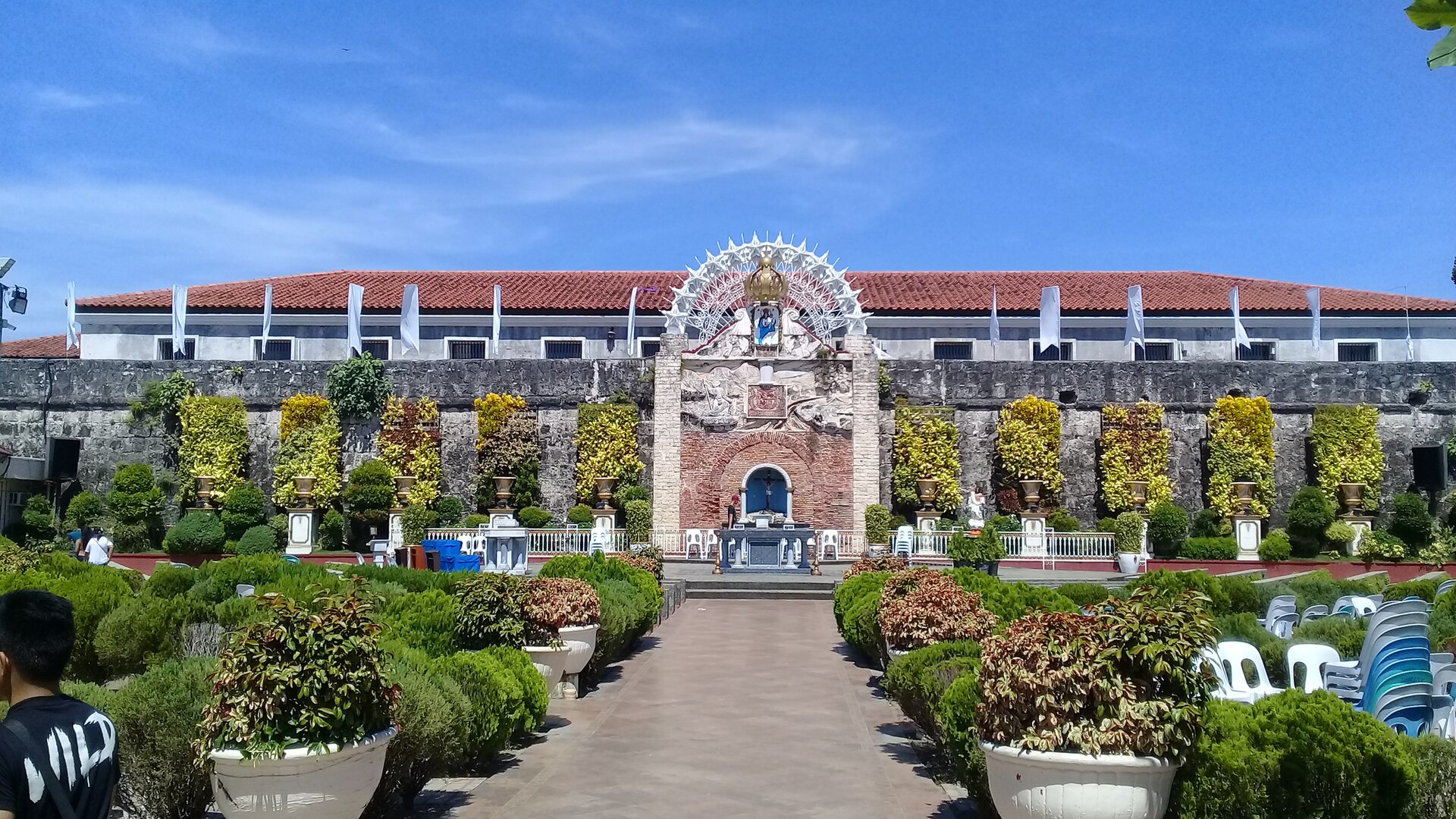
Perched on the edge of the Sulu Sea, Fort Pilar stands as a quiet witness to centuries of conflict, faith, and resilience. Located in Jolo, a town on the island of the same name in the southern Philippines, the fort is more than just a relic of Spanish colonial architecture—it’s a place where history lingers in the salt air and the weathered coral stones. Unlike the more tourist-heavy destinations in the country, Jolo and its fort offer a glimpse into a past that feels both distant and strangely alive, where the echoes of old battles and shifting powers still resonate.
The fort’s origins trace back to the late 17th century, when Spanish colonizers sought to consolidate their hold over the Philippines. Jolo, strategically positioned along vital maritime routes, was a prized location, and Fort Pilar was built not only as a military stronghold but also as a symbol of Spanish authority in the region. The architecture reflects the practical yet imposing style of the era: thick coral-stone walls, angular bastions, and narrow embrasures designed for defense. Inside, the remnants of barracks, storage rooms, and a chapel hint at the daily life of soldiers and missionaries who once occupied the fort. The chapel, in particular, holds a statue of the Virgin of the Pillar, a revered figure in Spanish Catholicism, whose presence underscores the fort’s dual role as both a military and religious center.
Over the centuries, Fort Pilar endured numerous sieges, particularly during the resistance of the local Sulu Sultanate against Spanish rule. The fort changed hands multiple times, bearing the scars of battles and reconstructions. By the late 19th century, as Spanish influence waned, the fort’s military significance faded, but its historical and cultural importance endured. Today, the cannons that once guarded the harbor still point toward the sea, their rusted barrels a reminder of the fort’s past as a guardian of these waters.
What makes Fort Pilar unique is its ability to evoke the layers of history that have shaped this part of the Philippines. The fort’s walls, worn smooth by time and the elements, overlook a stretch of coastline where Spanish galleons and pirate ships once vied for control. The view from the ramparts is much the same as it was centuries ago—endless blue water meeting the horizon, a scene that invites quiet reflection. The surrounding park, dotted with palm trees and flowering shrubs, offers a peaceful contrast to the fort’s martial origins. Locals often gather here, turning the space into a living part of the community rather than just a historical site.
Jolo itself is not a typical tourist destination, and that’s part of Fort Pilar’s appeal. There are no crowded tour groups or souvenir stalls here, just the steady rhythm of the waves and the occasional breeze carrying the scent of salt and earth. The fort occasionally hosts local festivals, where traditional music, dance, and crafts bring the past to life in a way that feels organic rather than staged. These events serve as a reminder that history isn’t just something preserved in stone—it’s a living, breathing part of the culture that continues to evolve.
The Philippines is a country where the past and present often collide, and Fort Pilar is one of those rare places where that collision feels tangible. It’s a reminder of the complexities of colonial history, the struggles for autonomy, and the enduring spirit of the people who called this land home long before the Spanish arrived. For those who visit, the fort offers more than just a lesson in history—it provides a moment of connection to something larger than themselves. Sitting on its walls, listening to the sea, it’s easy to imagine the soldiers, missionaries, and rebels who once stood in the same spot, gazing out at the same waters, each with their own hopes and fears.
Fort Pilar isn’t just a monument; it’s a conversation between the past and the present. It doesn’t offer grand narratives or easy answers, but rather a space to ponder the forces that have shaped this corner of the world. Whether you’re drawn by history, architecture, or simply the desire to step off the beaten path, the fort delivers an experience that’s both understated and profound. In a country known for its vibrant cities and pristine beaches, places like Fort Pilar remind us that sometimes, the most compelling stories are found in the quiet, unassuming corners.