Belvedere Palace is one of those rare places in Vienna where history, art, and architecture merge so seamlessly that the experience lingers long after you’ve left. Built in the early 18th century as the summer residence of Prince Eugene of Savoy—a military leader and statesman whose influence shaped the Habsburg Empire—the palace stands as a testament to the Baroque era, a time when Austria flourished under artistic and political ambition. Eugene, a man of both strategic brilliance and refined taste, envisioned Belvedere not just as a home but as a cultural hub, drawing artists, musicians, and thinkers to its halls. Today, the palace retains more than just its grand architecture; it preserves the spirit of an age when Vienna was a center of intellectual and creative energy.
The complex consists of two palaces—Upper and Lower Belvedere—connected by an expansive garden that feels like an extension of the buildings themselves. Upper Belvedere, the more famous of the two, was designed as a ceremonial space, its façade adorned with elegant columns, intricate stucco work, and statues that seem to watch over the city. Inside, the opulence is almost overwhelming: marble floors, gilded ceilings, and frescoes that tell stories of myth and power. Lower Belvedere, by contrast, was Eugene’s private retreat, a more intimate setting where his personal quarters, library, and even a winter garden once housed exotic plants from distant lands. The contrast between the two buildings—one for spectacle, the other for solitude—offers a glimpse into the dual nature of aristocratic life.
The gardens between them are a masterpiece in their own right. Designed by Dominique Girard, a landscape architect who favored the formal French style, the grounds unfold in precise symmetry, with manicured lawns, geometric flowerbeds, and cascading fountains. At the heart of the garden is the grand water staircase, a sweeping ascent from Lower to Upper Belvedere, flanked by statues representing the seasons, virtues, and figures from classical mythology. The effect is both grand and intimate, a place where nature is sculpted into art. In spring, the magnolias bloom in soft pinks and whites, while autumn turns the leaves to gold and crimson, making the gardens as much a draw as the palaces themselves.
Beyond its architectural splendor, Belvedere is one of Austria’s most important art museums. Its collection spans centuries, but the crown jewel is Gustav Klimt’s *The Kiss*, painted in 1908. The work is a defining piece of the Vienna Secession movement, a shimmering, gold-leafed celebration of love and beauty that captures the spirit of the early 20th century. Yet Klimt is only one part of the story. The museum’s galleries hold works by Egon Schiele, Oskar Kokoschka, Monet, and Van Gogh, among others, offering a journey through European art from the Middle Ages to modernism. Each piece feels carefully chosen, not just for its fame but for its ability to evoke the cultural currents of its time.
What makes Belvedere special, though, is the way it invites contemplation. Unlike the crowded halls of some museums, where visitors rush from one masterpiece to the next, Belvedere encourages lingering. You might spend an hour in front of a single painting, then step outside to sit on a bench in the garden, watching the light shift over the fountains. The palace was never built for the masses; it was designed for those who appreciate beauty in its purest form, and that sense of quiet reverence still lingers in its rooms.
The palace is also a living cultural space, hosting temporary exhibitions, concerts, and lectures that explore everything from art history to contemporary trends. Occasionally, evening tours are held by candlelight, recreating the ambiance of Eugene’s time, when the halls would have glowed with the flicker of hundreds of flames. These events add another layer to the experience, making the past feel tangible.
For those curious about the less glamorous side of palace life, Belvedere offers access to the service quarters—kitchens, laundries, and stables where the staff once worked. These spaces, often overlooked in grand residences, provide a fascinating contrast to the opulent state rooms. They remind visitors that behind every grand ballroom was an army of people ensuring its smooth operation, and that history is as much about the unseen as the celebrated.
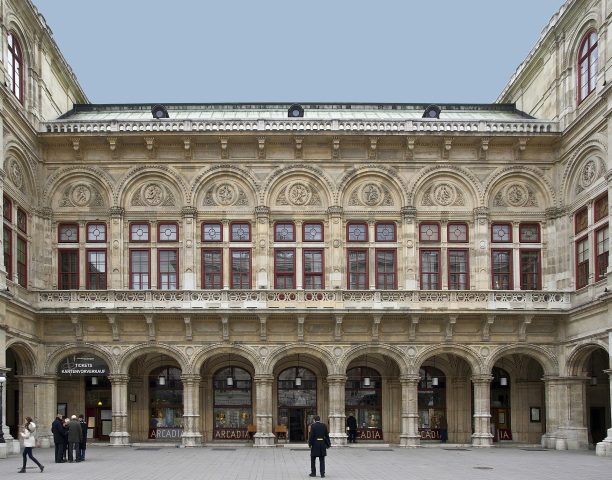
Located in Vienna’s Innere Stadt district, Belvedere is easily accessible on foot or by public transport, just a short walk from landmarks like the State Opera and Karlskirche. The surrounding area is dotted with cafés and restaurants where you can pause for a coffee or a slice of Sachertorte, the famous Viennese chocolate cake. The palace’s central location makes it a natural stop on any city itinerary, but it’s worth setting aside time to explore it properly.
Visiting Belvedere isn’t just about ticking off a tourist attraction; it’s about stepping into a world where art, history, and nature exist in harmony. There’s no rush here, no pressure to move quickly through the galleries. Instead, the palace offers something rare: a moment of stillness in a city that’s always on the move. That might be why it remains a favorite not just for visitors but for locals, who return again and again to wander its halls and gardens, as if searching for something they can’t quite name.