Abai Drama Theatre in Semey is one of those rare places where time seems to pause, where the walls don’t just echo with the voices of actors but also carry the weight of history. Standing in the heart of the city, it has long been more than just a cultural landmark—it’s a symbol of resilience and continuity. Here, at the intersection of streets that once buzzed with the energy of a trading hub and later an industrial center, the theatre remains an island of living art, bridging different eras and generations.
The theatre’s story began in the mid-20th century, when in 1945, the decision was made to establish it. Back then, Semey—known as Semipalatinsk—was experiencing rapid growth. Factories and educational institutions were springing up, and with them came a demand for cultural spaces. The theatre was created to meet that need, bringing together creative minds, many of whom had arrived from other parts of the Soviet Union. The early performances were in Russian, but even then, the repertoire included works by Kazakh authors, among them Abai Kunanbayev, whose name the theatre would later adopt in 1992.
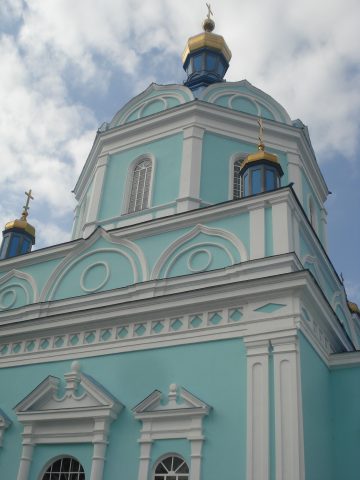
The building itself is a testament to its time. Constructed in the post-war years, it reflects the architectural trends of the era—monumental yet with hints of decorative lightness. The façade is adorned with columns, and the entrance is framed by broad steps leading into a spacious foyer. Inside, high ceilings, intricate moldings, and grand chandeliers create an atmosphere of solemnity. The auditorium, designed to seat several hundred, still retains remarkable acoustics, allowing every word spoken on stage to be heard clearly without amplification. From the heavy velvet curtains to the vintage seats that have witnessed generations of audiences, the theatre breathes history.
Abai Theatre has always been more than just a stage. During the Soviet era, it served as a cultural hub, hosting not only plays but also literary evenings, concerts, and meetings with writers and poets. People gathered here to recite poetry, debate literature, and discuss new productions. After Kazakhstan gained independence, the theatre didn’t lose its significance—instead, it became even more vital in preserving and promoting Kazakh drama. Today, its repertoire includes classics by Abai, Mukhtar Auezov, and Saken Seifullin, alongside contemporary works by Kazakh playwrights. Yet the theatre doesn’t limit itself to national themes; it also stages Russian classics and international drama, ensuring that art remains a universal language.
The theatre’s company has played a crucial role in its legacy. Over the decades, actors whose names became legendary to local audiences have performed here. Many of them began their careers in the mid-20th century and remained devoted to the stage until the end. Today, younger performers join them, for whom working here is not just a profession but a chance to connect with traditions that have been shaped over decades. Directors often experiment with form, seeking new ways to tell old stories while staying true to the classical traditions of Kazakh and Russian theatre.
For the people of Semey, Abai Theatre is more than just a cultural institution. It’s a place where the city’s most important events unfold—premieres, anniversaries, festivals. It’s where holidays are celebrated, where meetings with interesting people take place, and where charitable events are held. The theatre has become part of the city’s identity, a place people visit not only for art but for a sense of belonging to something greater. Even those who rarely attend performances know the theatre exists, that it has a life of its own, and that knowledge gives the city a special atmosphere.
In recent years, the theatre has been actively involved in cultural projects, collaborating with other Kazakh and international theatres. It hosts touring performances, workshops, and creative labs. Special attention is given to working with young people—school excursions, theatre studios for children and teenagers, where they can try their hand at acting. All of this helps the theatre remain a living organism, one that not only preserves traditions but also evolves in response to societal changes.
Attending a performance at Abai Theatre is like stepping into another time. When the lights dim and the curtain rises, the audience is transported to a different world, governed by its own rules. Here, you can forget the worries of daily life and immerse yourself in a story—whether it’s a drama by Abai, a tragedy by Shakespeare, or a contemporary play about life in Kazakhstan’s rural heartland. The theatre doesn’t aim to dazzle with spectacle or special effects; its strength lies in its sincerity, in the fact that the actors perform not for show but because they believe in what they do.
Semey is a city with a complex history, where the destinies of different peoples, cultures, and eras intertwine. Abai Theatre is one of those places where that history comes alive. It doesn’t shout for attention or try to be trendy or ultra-modern. It simply exists—like an old, trusted friend, always ready to welcome you as you are and offer a few hours of genuine art. And perhaps that’s its greatest value.