The Lilac House of Culture is one of those quiet, unassuming places that quietly weave themselves into the fabric of a town’s daily life. Tucked away on the edge of a small Moscow suburb, it sits somewhere between the old dacha settlements and the newer residential blocks, blending into the landscape without demanding attention. From the outside, it looks like any other Soviet-era community center—modest, functional, and unremarkable. Yet these kinds of buildings often hold something far more interesting than their architecture suggests: the lingering spirit of an era when culture wasn’t just entertainment but a natural part of everyday existence.
The history of the House of Culture is closely tied to the town itself. Lilac began as an industrial settlement, built around a factory that once defined its rhythm. The House of Culture was constructed as a gathering place for workers—a spot to unwind after shifts, catch a film, attend a lecture, or simply socialize. In Soviet times, such centers were a staple of every town and village, hosting everything from holiday concerts to amateur theater performances and hobby groups for all ages. When the factory eventually closed, the settlement grew into a proper town, but the House of Culture remained, shifting from a hub of working-class life to a space where locals still come together, just for different reasons.
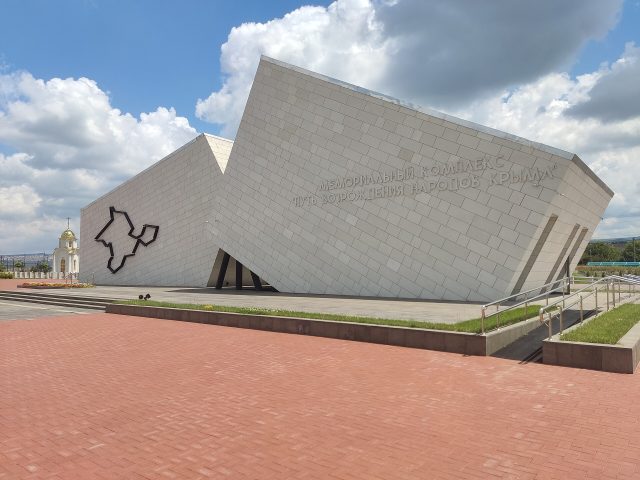
The building’s design is typical of its time: a rectangular structure with large windows and minimal ornamentation. The facade, once clad in light stone, has darkened with age, and the interior is just as straightforward—no frills, just practicality. A spacious auditorium with a balcony, a small stage, a foyer with columns, and a few rooms for clubs and classes make up the core of the space. The old theater seats, worn but still serviceable, bear the marks of decades of use, and the walls occasionally reveal traces of long-gone posters and announcements. It’s all very utilitarian, but there’s a certain warmth in its simplicity.
These days, the House of Culture operates at a quieter pace than in its heyday. Concerts still take place, amateur groups rehearse, and dance or theater studios hold classes. Occasionally, there are art exhibitions or workshops for children. Nothing here is flashy or high-profile, but that’s part of the appeal. For some, it’s where a lifelong passion for the arts begins; for others, it’s just a place to spend an evening among people who share their interests. The lack of pretension makes it feel genuine, a rare quality in a world where so much is polished for effect.
What sets the Lilac House of Culture apart is its refusal to chase trends. There are no neon signs, no attempts to rebrand itself as something sleek or modern. It exists for those who appreciate authenticity over spectacle. The auditorium smells of old books and wooden floors, and in the foyer, you might overhear conversations about events from ten or twenty years ago. For longtime residents, it’s a place that evokes memories of youth; for younger visitors, it’s a reminder that culture doesn’t have to be expensive or exclusive to matter.
Like many similar institutions in smaller towns, the House of Culture faces its share of challenges. Funding is scarce, the building needs repairs, and traditional forms of leisure are slowly fading from public interest. Yet, there are always a few dedicated souls who keep it alive—organizing events, seeking sponsors, and rallying support. It’s easy to think the place survives on sheer willpower alone, and perhaps it does.
For outsiders, this isn’t the kind of place that makes it onto must-see lists. There are no grand interiors, no legendary backstories, no famous names attached to it. But if you visit on a night when a concert is happening or a group is rehearsing, you might catch a glimpse of something special. This isn’t a museum or an entertainment complex; it’s a living space, shaped by the people who care about it. That, in itself, is its greatest strength—the ability to bring people together and remind them that culture isn’t a relic of the past but something that evolves with those who keep it alive.
The Lilac House of Culture is more than just a building. It’s a piece of the town’s collective memory, a place where different generations and stories intersect. There are no crowds of tourists here, just the regulars who come because they want to, not because they have to. And in that quiet, unforced way, it holds a charm all its own.