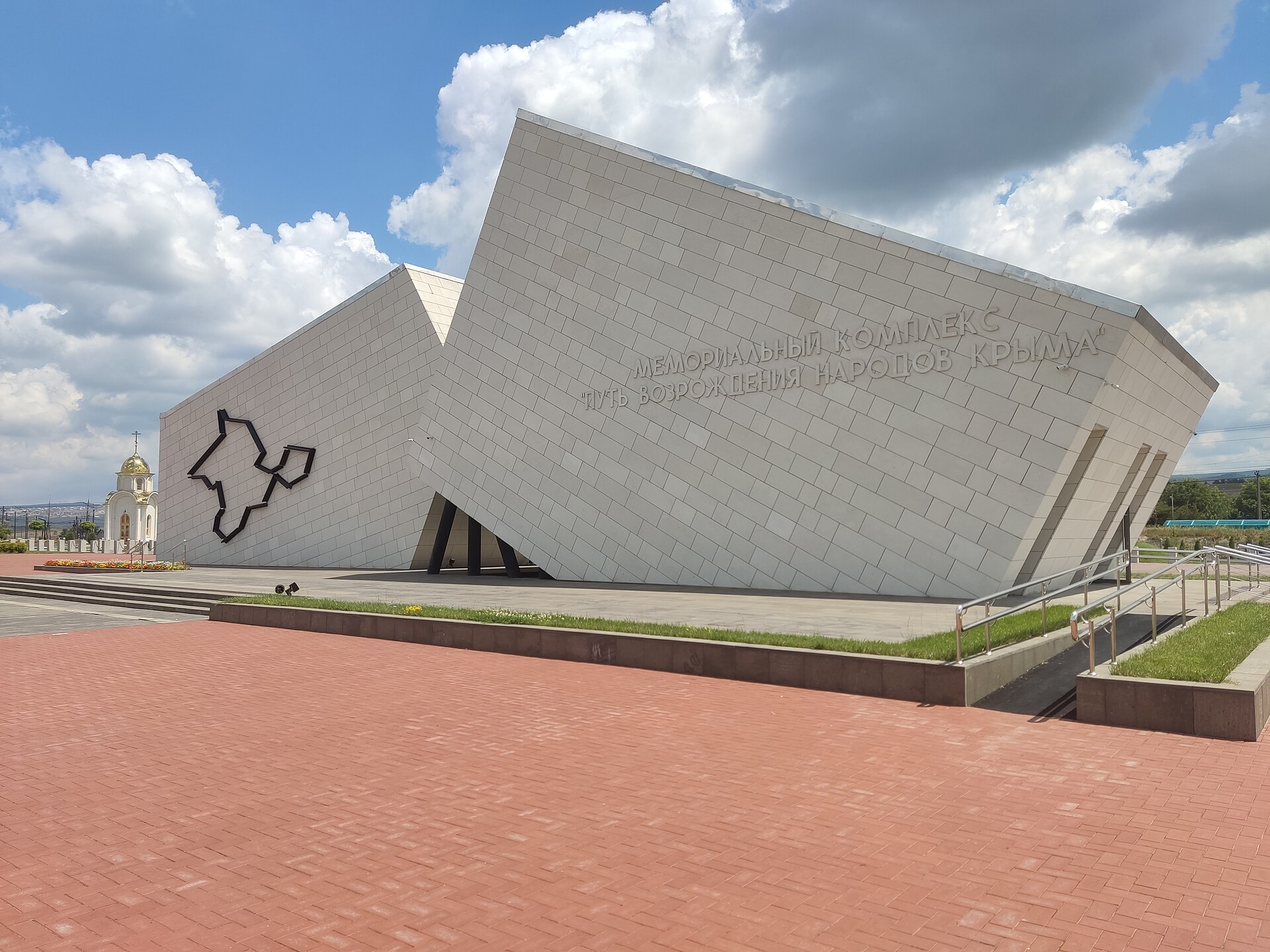
Nestled in the quiet outskirts near the village of Lilac, the Path of Revival of the Peoples of Crimea is a place where history feels less like a distant lesson and more like a conversation still unfolding. Unlike traditional memorials with towering statues or grand inscriptions, this open-air space invites visitors to walk through time at their own pace, where the land itself seems to whisper stories of the many cultures that have shaped the peninsula over centuries.
The idea behind the memorial emerged from a simple but powerful need—to honor not just the grand events of Crimea’s past, but the everyday lives of the people who called it home. Here, no single group is given precedence over another. The Crimean Tatars, Russians, Ukrainians, Armenians, Greeks, and Karaims are all woven into the same narrative, their traditions and histories presented as threads in a larger tapestry. The absence of hierarchy is deliberate, a quiet reminder that Crimea’s identity has always been a mosaic, not a single story.
As you wander the winding paths, the landscape becomes part of the storytelling. Gentle hills covered in wild grasses give way to stone steles and wooden structures that echo traditional dwellings or places of worship. There’s no attempt to impose order on nature; instead, the memorial blends into the surroundings, as if it has always been there. The most striking elements are those dedicated to Crimean Tatar culture, where every detail—from the patterns carved into stone to the shape of a bench—feels like a natural extension of the land rather than a museum exhibit.
The architecture here is understated, almost humble, yet deeply intentional. The stones used in the memorial are left rough, their uneven surfaces a subtle nod to the imperfect, layered nature of history. Wooden elements are crafted by hand, using traditional methods that preserve the warmth and authenticity of the materials. Even the paths are unobtrusive, winding naturally through the terrain rather than forcing a rigid route. There’s no rush, no prescribed way to experience the space—just an invitation to pause, observe, and reflect.
Instead of dry plaques with dates and facts, the memorial uses brief, multilingual texts to tell human stories. A few lines about a craftsman, a farmer, or a scholar might be all it takes to make history feel tangible. Nearby, old photographs or reproductions of engravings add context, offering glimpses into the daily lives of those who lived here long ago. The goal isn’t to provide a complete account of Crimea’s past, but to spark curiosity, to leave room for visitors to seek out more on their own.
There’s a stillness here that’s rare in places meant for tourists. No crowds jostling for the best photo spot, no guides reciting rehearsed lines. Just the sound of wind through the grass or the distant call of a bird. It’s a space for those who want to do more than look—to feel the weight of history, to understand how deeply the stories of different peoples are intertwined in this land. The memorial doesn’t take sides or impose a single narrative; it simply asks visitors to listen.
What makes this place unusual is that it’s not frozen in time. New elements are added occasionally, reflecting overlooked or evolving aspects of Crimea’s history. In recent years, for example, more attention has been given to the story of the Crimean Germans, a community whose presence on the peninsula isn’t always widely discussed. These additions aren’t about rewriting history, but about filling in gaps, making the picture more complete.
The experience of visiting changes with the seasons. In spring, the memorial is alive with blooming wildflowers, while autumn wraps the stone and wood in golden light. Winter brings a stark beauty, snow highlighting the textures of the materials in a way that feels almost deliberate. There’s no set amount of time to spend here—some might linger for an hour, others for half a day, depending on how deeply they want to engage with the space.
Perhaps the most striking thing about the Path of Revival is that it doesn’t offer easy answers. There are no grand conclusions, just an open-ended invitation to think, to question, to connect. Some visitors leave with a sense of belonging, others with a quiet sadness for what has been lost. But everyone leaves with something—a memory, a thought, a new perspective. This isn’t a monument in the traditional sense. It’s a place where the past isn’t just remembered; it’s still being discovered.