The Lilac Local History Museum is one of those quiet places where the past doesn’t just sit behind glass—it lingers in the air, in the creak of old floorboards, in the way sunlight falls through tall windows onto faded photographs. Tucked away in the heart of Lilac, a small town where history isn’t made of grand events but of everyday lives, the museum holds the kind of stories that rarely make it into textbooks. There are no famous names here, no earth-shattering discoveries, just the steady, unassuming weight of time as it’s been lived by generations of ordinary people.
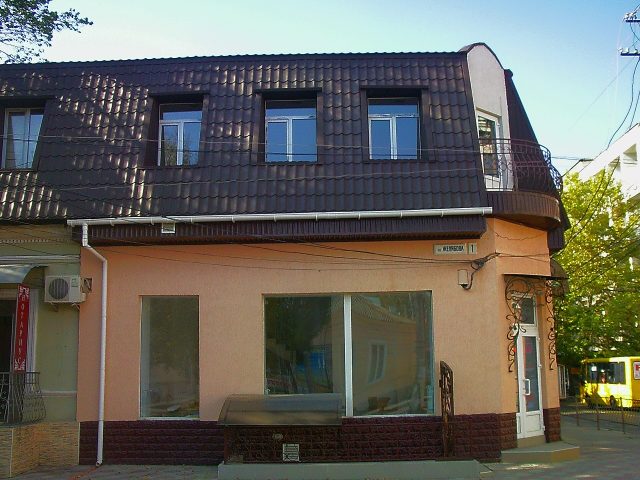
The building itself is a relic of the early 1900s, its architecture unassuming yet telling. High ceilings, wide doorways, and large windows speak of a time when space was meant to be filled with light and movement, not just function. The exterior is modest, almost unremarkable, but step inside and the atmosphere shifts. The walls seem to hold their breath, as if aware of the countless hands that have touched them, the voices that have echoed through the rooms. It’s not a place that demands attention with flashy displays or interactive exhibits. Instead, it invites you to slow down, to look closely at the small things—a chipped teacup, a handwritten letter, a tool worn smooth by use—and let them speak for themselves.
The museum’s collection spans centuries, though it doesn’t try to be exhaustive. What it lacks in breadth, it makes up for in intimacy. There are household items from peasant homes, tools of long-forgotten trades, yellowed photographs of unsmiling faces staring back at you from another era. Archaeological finds hint at even older layers of history: fragments of pottery, simple jewelry, ritual objects that suggest these lands were inhabited long before the town took shape. These pieces don’t just document the past; they make it tangible, reminding you that history isn’t just dates and battles, but the daily rhythms of people who once walked the same streets.
One room is devoted to the twentieth century, a time when the town, like so much of the country, was shaped by war and upheaval. Frontline letters, black-and-white images of soldiers, and everyday items from the home front—ration cards, a soldier’s mess kit, a child’s toy made from scraps—paint a picture of resilience and loss. The museum occasionally hosts veterans who share their memories, turning abstract history into something raw and personal. It’s one thing to read about war in a textbook; it’s another to hear a voice crack as someone describes the moment they learned a loved one wouldn’t be coming home.
What makes the Lilac Museum unusual is how it bridges past and present. It’s not just a repository of old things but a living space where history is still being made. Local artists exhibit their work here, craftspeople demonstrate traditional skills, and lectures on everything from regional folklore to modern conservation efforts draw curious crowds. The museum becomes a meeting point, a place where older residents might recognize their own childhoods in the displays while younger visitors discover the roots of their town’s identity. It’s a rare kind of institution—one that doesn’t just preserve the past but actively weaves it into the fabric of the present.
For a small town, the museum plays an outsized role. Schoolchildren come here for history lessons that feel more like conversations than lectures. Tourists, if they find their way to Lilac, often leave with a deeper understanding of the place than they’d get from a guidebook. Locals drop in for exhibitions, talks, or simply to chat with the staff, who know the collection as well as they know the town’s gossip. The museum isn’t just a building; it’s a thread that connects people to each other and to the place they call home.
Visiting the Lilac Local History Museum isn’t about ticking off another attraction. It’s about stepping into a slower rhythm, one where you’re encouraged to linger over details that might otherwise go unnoticed. There’s no grand narrative here, no sweeping drama—just the quiet accumulation of lives lived, of moments that, when pieced together, tell the story of a town and the people who built it. If you find yourself in Lilac, it’s worth pausing here, not for the sake of seeing something impressive, but for the chance to see the place through the eyes of those who came before. The museum doesn’t just show you history; it lets you feel it.