The village of Colossi sits in southwest Cyprus, known for its medieval castle. Step off the main path and you’ll find the Dragon’s House, or House of Eustolios. It’s an old stone building wedged between newer homes, a quiet reminder of when Cyprus was fought over by Venetians, Genoese, and local lords.
The name comes from a story. Locals say Eustolios, a 14th-century knight called the Dragon for his fierceness, lived here. He supposedly defended the land, and his house was both home and fortress. Historians think it’s actually from the Venetian period, when Cyprus was a trade hub. The thick walls, small barred windows, and inner courtyard look like other Venetian houses of the time.
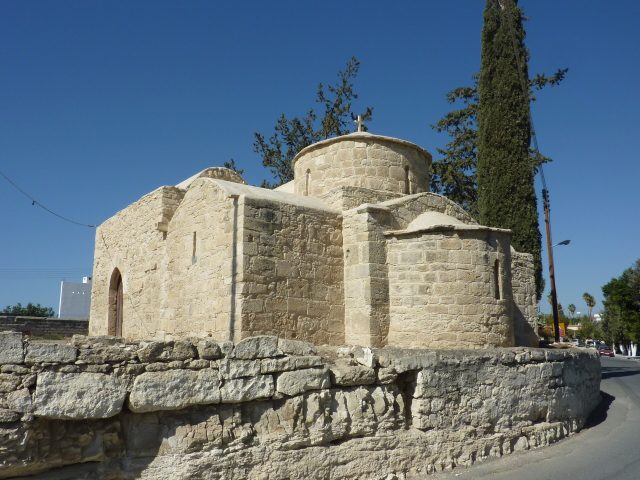
The house is small now, but you can still see what it once was. Built from local limestone, the stone has turned golden over centuries. Some carved details remain on the facade, though sun and wind have worn them down. The entrance opens to a courtyard where a fountain used to be. Now, fig and olive trees grow there. Upstairs, wooden balconies with carved railings survive—rare examples of old Cypriot woodwork.
Inside, the past is in the details. Stone stairs lead to the second floor, where high ceilings and large rooms suggest how people lived. One room has a limestone fireplace. Another shows faint frescoes under old plaster. The floors are stone, some cracked with age. The basement, reached by narrow steps, was once for storing food and wine. It’s cool and dark, a relief from the Cypriot heat.
This house shows how Cyprus connected different cultures. Venetian, Byzantine, and local styles mix in its design. The wooden ceiling beams are Byzantine. The arched doorways and courtyard feel Venetian. Even the name Colossi comes from a 13th-century Genoese lord. The house isn’t just one man’s home—it’s part of a bigger story linking Cyprus to Europe and the Middle East.
Few people visit. No crowds, no tours, no stalls. Just quiet, birdsong, and the sound of leaves. You can walk through the rooms, look into corners, and imagine who lived here.
Locals sometimes bring friends to show them a side of Cyprus most tourists miss.
If you like history, this is a place to see it raw. No plaques, no explanations. Just the building, waiting for you to explore. Sit on a stone bench in the courtyard. Think about all the people who were here before—conversations by the fireplace, secrets in the basement. That’s what makes it special. It doesn’t tell you the story. It lets you feel it.
Colossi has more than just the castle and the Dragon’s House. There are old churches, abandoned monasteries in the hills, and vineyards where Cypriot wine is still made. But the House of Eustolios gives the village its quiet charm. It’s a reminder that Cyprus’s history isn’t only about battles and kings. It’s also about people who lived in places like this, where time seems to pause.