Tondo is one of Manila’s oldest districts. The streets hum with the weight of centuries, where Spanish colonial rule, local resistance, and modern life intertwine. At its heart stands Santo Niño de Tondo Church, a witness to transformations that shaped the neighborhood and the nation.
The church began in the late 16th century as a bamboo and nipa palm chapel. In 1572, a statue of the Santo Niño—the Holy Child Jesus—was discovered here, securing its place as one of the Philippines’ most revered religious sites. Over time, the structure evolved from a fragile shelter into stone, surviving fires, earthquakes, and wars. Each reconstruction added to its character, yet the building still carries echoes of its earliest days.
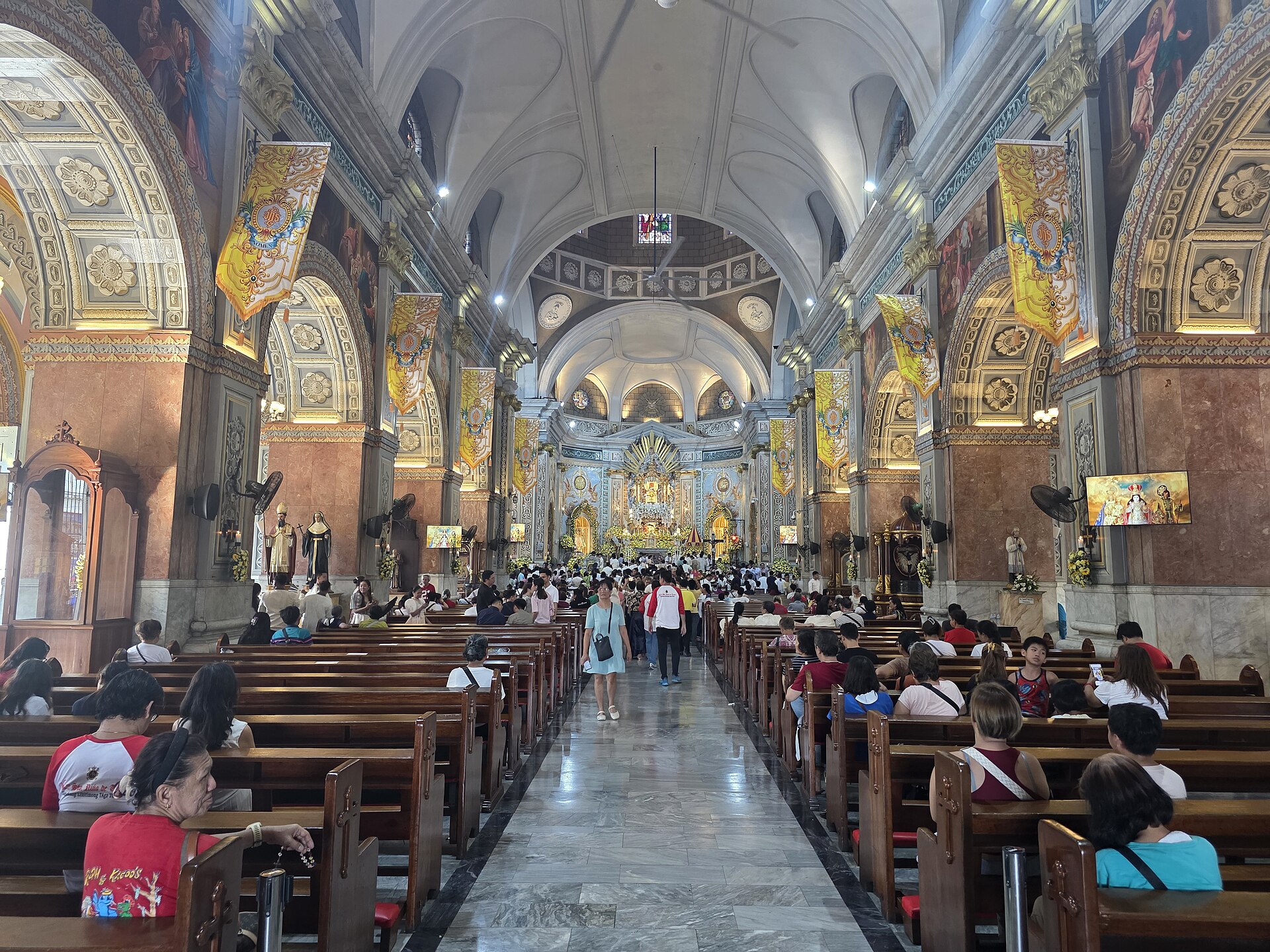
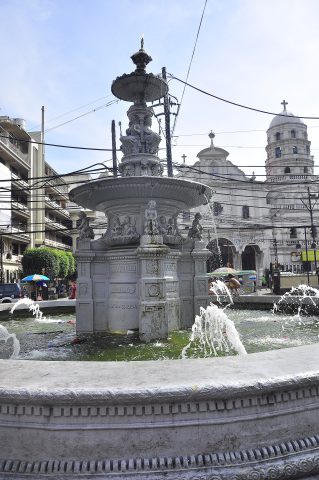
The façade, built from pale stone, balances solemnity and grace. Tall arched windows let in light, while the bell tower rises above the rooftops. Inside, three naves divide the space, with faded frescoes depicting biblical scenes. The main altar holds the Santo Niño statue, surrounded by flowers and candles. The simplicity feels unassuming, but there’s dignity in it.
For Tondo’s people, the church is a communal anchor. Sundays bring families in their best clothes, singing hymns passed down through generations. The Feast of the Santo Niño in January draws thousands. Streets fill with vendors selling candles, icons, and street food. Prayers, music, and bells fill the air. Even the non-religious are swept up in the shared joy.
Tondo is often reduced to stereotypes. But within the church’s walls, social divides blur. Laborers kneel beside business owners, students beside the elderly. Visitors are welcomed without fanfare. The pews are worn, the paint chipped, the statues aged. This imperfection makes the church feel alive, where faith is about connection, not grandeur.
Santo Niño de Tondo’s history is Tondo’s history. Once a thriving port, the district was a crossroads of cultures. Chinese merchants, Spanish officials, Filipino artisans, and enslaved workers all left their mark. The church, initially a tool of colonial evangelization, became a symbol of resilience. During Spanish rule, locals gathered here for mass and quiet defiance. Later, it bore witness to revolution and urbanization.
Today, Tondo is a study in contrasts. Luxury condominiums stand near makeshift homes, malls overshadow colonial-era buildings. The church remains one of the few places where the past isn’t just preserved—it’s still in use. No velvet ropes or guided tours, just the rhythm of daily life. Locals light candles, seek silence, or sit quietly. Tourists often leave struck by its authenticity.
Visiting Santo Niño de Tondo isn’t about checking a landmark off a list. You might arrive expecting a relic, but you’ll leave with something else: the sense of a community that has endured for over four hundred years. The church doesn’t demand reverence. It offers stillness in a district that rarely slows down. In that quiet, you understand why it has mattered for so long.