San Francisco Church in La Esperanza feels like a place where time has quietly settled into the cracks of its adobe walls. Built in the 17th century, it stands at the heart of this small Andean town, surrounded by low houses with clay walls and tiled roofs that have weathered centuries of sun and rain. Unlike the grand cathedrals of Lima or Cusco, this church doesn’t draw crowds of visitors. For the people of La Esperanza, it’s simply part of life—where baptisms, weddings, and funerals have unfolded for generations, a steady presence in the rhythm of daily existence.
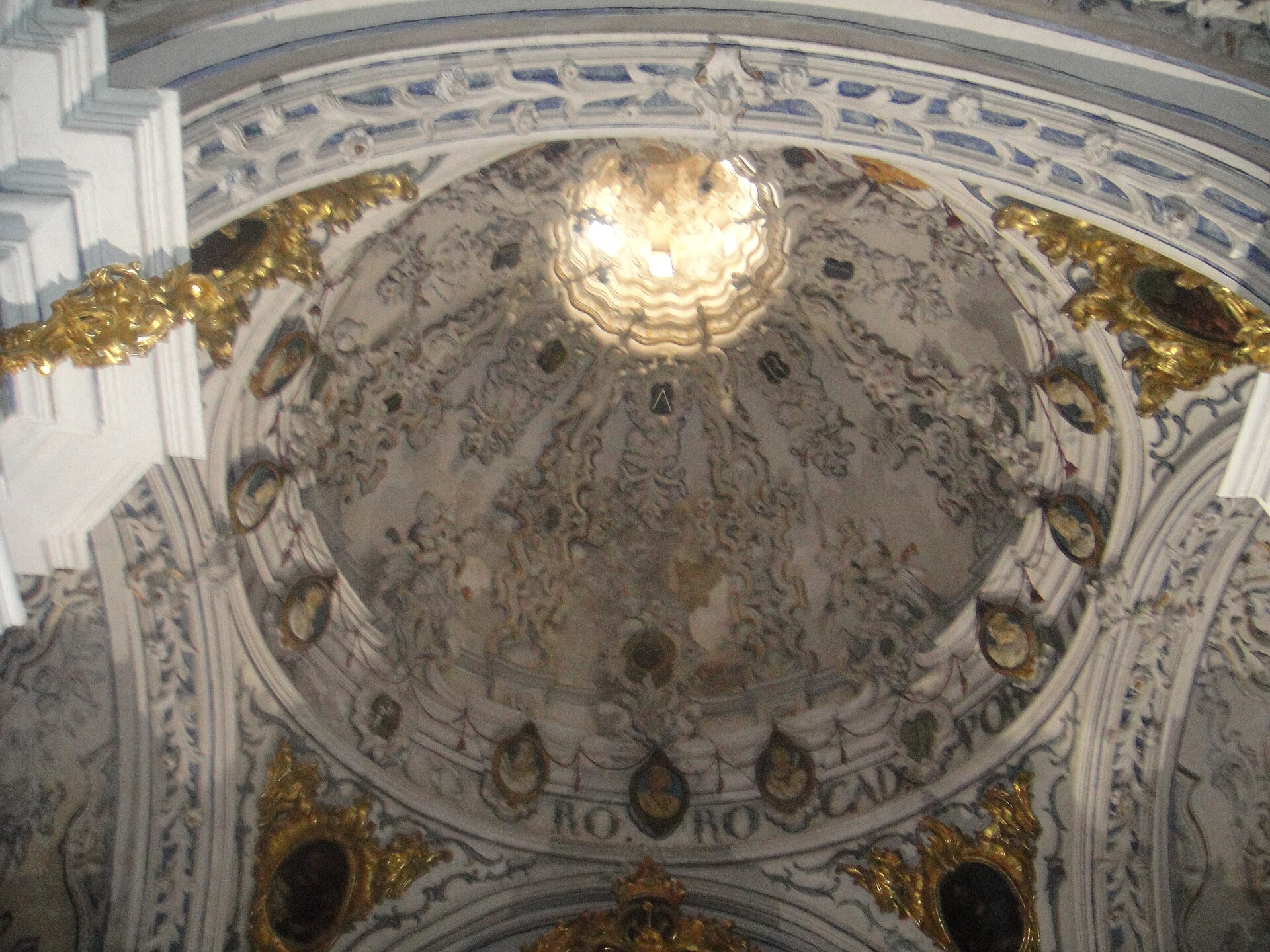
The architecture is unassuming yet sturdy, typical of colonial churches in the Andes. Thick adobe walls support a simple wooden facade, and a modest bell tower rises above the entrance. Inside, the nave is spacious, with a wooden ceiling held up by rough-hewn beams. The side chapels are small but carefully maintained, and the gilded altar, though less ornate than those in the capital, carries a quiet dignity. The most striking details are the carved wooden panels, where Christian symbols blend with local motifs—a subtle reminder of how faith and tradition have intertwined over the centuries.
The church’s history is woven into the story of La Esperanza itself. The town began as one of many Spanish settlements in the Santa River valley, where colonizers claimed fertile land and introduced Christianity to the indigenous population. San Francisco wasn’t just a place of worship; it was a symbol of authority, where records were kept, disputes settled, and sometimes even refuge offered during raids. In the 18th century, an earthquake damaged the structure, leaving behind uneven walls and cracks that were never fully repaired. These imperfections now tell their own story, a testament to the church’s endurance.
Today, the church remains active. On weekdays, you might find elderly women praying before the altar or hear the priest preparing for mass. Sundays bring a livelier scene: parishioners in their best clothes fill the pews, while outside, the square transforms into a small market. Vendors sell candles, flowers, and homemade bread, and the air fills with the scent of incense and grilled meat. The church bells ring out, their sound carrying through the town, marking the passage of time as they have for hundreds of years.
The area around the church has its own quiet charm. The square is where life unfolds in small, unhurried moments—old men playing dominoes under the shade of trees, children kicking a ball between parked motorcycles. Occasionally, the town celebrates local festivals, like the feast day of Saint Francis, when processions wind through the streets with music and dancing. On such days, La Esperanza feels less like a sleepy provincial town and more like a place where the past still breathes, where traditions move to a rhythm set long ago.
For travelers who make their way to La Esperanza, San Francisco Church offers something different from the usual tourist attractions. There are no grand frescoes or museum displays here, just the quiet hum of a place that has witnessed countless ordinary lives. The creak of old floorboards, the scent of wax and aged wood, the way the light filters through the windows—these small details create a sense of continuity, as if the walls themselves hold the memories of those who have passed through.
La Esperanza isn’t a town you visit for a single landmark. It’s a place where everything is connected—the church, the square, the narrow streets leading down to the river, and the people who go about their days with unhurried purpose. If you’re lucky, you might catch a moment when the priest shares a story with the congregation or see a craftsman repairing one of the church’s old doors. These are the kinds of encounters that reveal the true character of the town, not in grand gestures, but in the quiet, lived-in details that make it feel real.